Is Wells Fargo Active Cash or Capital One SavorOne Better in June 2026?
Wells Fargo Active Cash vs Capital One SavorOne compared on dining, entertainment, groceries, flat 2% simplicity, annual fees, and who should pick unlimited 3% categories vs 2% everywhere.
Madeen compares public issuer terms with its card-rule catalog. Issuer pages control rewards, fees, benefits, exclusions, and eligibility; Madeen does not issue cards, make approval decisions, or provide financial advice.
Active Cash vs SavorOne at a glance
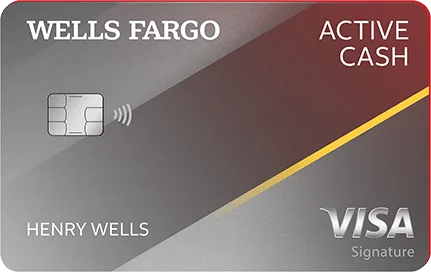
Wells Fargo Active Cash® Card
Unlimited 2% cash rewards on every purchase — one-card simplicity
- Rewards
- Unlimited 2% cash rewards on purchases under current Wells Fargo terms; $0 annual fee.
- Annual fee
- $0
Pros
- Flat 2% without category tracking
- Strong catch-all for mixed spend
- No annual fee
Cons
- Lower than 3% on dining/grocery-heavy wallets
- No rotating 5% upside
- Verify issuer eligibility and terms
Issuer terms are authoritative. Card links may point to issuer pages or approved partners when available.

Capital One SavorOne Cash Rewards Credit Card
Unlimited 3% on dining, entertainment, streaming, and groceries
- Rewards
- 3% cash back on dining, entertainment, popular streaming, and grocery stores (issuer exclusions apply); 1% on other purchases; $0 annual fee.
- Annual fee
- $0
Pros
- Higher rate on lifestyle categories
- No annual fee
- No activation required for 3% buckets
Cons
- Only 1% on general spend
- Grocery superstore exclusions per issuer
- Weaker when spend is spread evenly
Issuer terms are authoritative. Card links may point to issuer pages or approved partners when available.

Citi Double Cash® Card
2% on every purchase (1% when you buy, 1% when you pay) — another flat-rate benchmark
- Rewards
- 2% total cash back — 1% when you buy plus 1% when you pay — under current Citi terms; $0 annual fee.
- Annual fee
- $0
Pros
- Strong flat-rate alternative to Active Cash
- No category tracking
- Useful third option in a two-card wallet
Cons
- Requires paying statement balance for full 2%
- Lower than 3% SavorOne lifestyle buckets
- Verify issuer terms and eligibility
Issuer terms are authoritative. Card links may point to issuer pages or approved partners when available.
Flat-rate 2% everywhere and 3% lifestyle categories are two of the most common no-annual-fee strategies in Madeen’s catalog of 3,944 U.S. cards (Card Rules; snapshot 2026-06-01). This head-to-head picks a winner by spend pattern, not a universal “best card.”
Is Wells Fargo Active Cash or Capital One SavorOne better?
Active Cash wins when you want one rate on every purchase — utilities, Lowe’s, medical copays, and everything else at 2% without mental overhead. SavorOne wins when Dining, entertainment, Streaming, and Grocery spend dominate your budget at unlimited 3% in those buckets.
Run the math on your last three months of statements before you apply for either.
How do Active Cash and SavorOne compare?
| Card | Dining | Groceries | Everything else | Annual fee |
|---|---|---|---|---|
| Wells Fargo Active Cash | 2% | 2% | 2% | $0 |
| Capital One SavorOne | 3% | 3% (issuer exclusions apply) | 1% | $0 |
For the Amex side of the Dining/Grocery tradeoff, see SavorOne vs Blue Cash Everyday. For another flat-rate rival, see Citi Double Cash vs Active Cash.
Who should choose Active Cash?
Pick Active Cash when category split is messy — home improvement, cell phone bills, insurance, and random merchants. It is the default “use this when you are not sure” card in many wallets.
It also pairs well as a backstop next to a 5% rotating card like Freedom Flex vs Unlimited.
Who should choose SavorOne?
Pick SavorOne when 3% categories cover most of your monthly spend — restaurants, Streaming, concerts (sports tickets hub), and supermarket groceries per Capital One’s definitions.
If groceries are mostly at Costco or Walmart, verify coding; superstore exclusions may push you back toward 2% flat rate.
Can you hold both?
Yes — Active Cash as catch-all, SavorOne for 3% buckets is a common two-card flat-rate stack. Madeen compares effective rates at checkout so a 1% SavorOne swipe does not happen by mistake on a $400 home-improvement purchase.
How can Madeen help?
Madeen ranks owned cards by category effective rate on iPhone without bank login. For flat-rate vs 3% lifestyle cards, that means seeing the winner before you tap — especially when both cards are in your wallet.
Flat-rate cluster: Everyday purchases · Compare cash back vs points · How cash back works
Related encyclopedia topics
Frequently asked questions
Is Wells Fargo Active Cash or Capital One SavorOne better?
Active Cash is better when you want one simple 2% cash rewards rate on every purchase without tracking categories. SavorOne is better when most spend is dining, entertainment, groceries, and streaming — it earns unlimited 3% in those buckets and 1% elsewhere.
Does Active Cash really earn 2% on everything?
Wells Fargo markets unlimited 2% cash rewards on purchases with the Active Cash Card. Verify current issuer terms, exclusions, and redemption rules on Wells Fargo's site before you apply.
Does SavorOne earn 3% on groceries?
Capital One markets 3% cash back on dining, entertainment, popular streaming services, and grocery stores (excluding superstores like Walmart and Target per issuer terms). Other purchases earn 1%. Confirm MCC coding and exclusions on Capital One's site.
Which card has no annual fee?
Both Active Cash and SavorOne are no-annual-fee cards in their standard consumer versions. Compare foreign transaction fees and redemption minimums if you travel internationally.
Can I hold both cards?
Some wallets carry Active Cash as the catch-all and SavorOne for 3% lifestyle categories. Madeen helps pick the winner at checkout so you do not default to the wrong card out of habit.
Sources and notes
- Issuer terms Wells Fargo Active Cash Card - Wells Fargo Accessed 2026-06-15.
- Issuer terms Capital One SavorOne Cash Rewards Credit Card - Capital One Accessed 2026-06-15.
- Madeen analysis Madeen card catalog analysis - Madeen Accessed 2026-06-15.