Which Credit Card Should You Use for Everyday Purchases in June 2026?
Choose a catch-all credit card for non-bonus purchases by comparing flat rewards, category cards, fees, exclusions, and the cards already in your wallet.
Madeen compares public issuer terms with its card-rule catalog. Issuer pages control rewards, fees, benefits, exclusions, and eligibility; Madeen does not issue cards, make approval decisions, or provide financial advice.
What are the best everyday purchase credit cards right now?
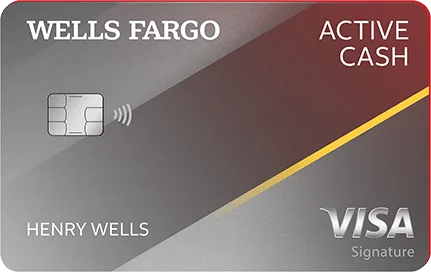
- Rewards
- Unlimited 2% cash rewards on purchases, with no categories to track under current issuer terms.
- Annual fee
- $0
Pros
- Straightforward 2% cash rewards rate on purchases.
- No annual fee under current issuer terms.
- Useful as a fallback when no category card clearly wins.
Cons
- Foreign transactions carry a fee under current issuer terms.
- Category cards can beat it for groceries, dining, gas, or travel.
- Issuer exclusions apply to purchases such as cash equivalents, fees, and gambling transactions.
Issuer terms are authoritative. Card links may point to issuer pages or approved partners when available.
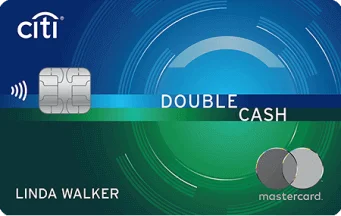
- Rewards
- Earn 2% cash back on purchases: 1% when you buy and 1% as you pay, under current issuer terms.
- Annual fee
- $0
Pros
- A clear 2% cash-back target for non-bonus spending.
- No category enrollment or rotating calendar needed.
- Works well as the card you compare category cards against.
Cons
- You earn the full 2% structure only after purchase and payment.
- Cash back is issued through Citi ThankYou rewards, so redemption details matter.
- It does not add elevated grocery, dining, gas, or travel categories by itself.
Issuer terms are authoritative. Card links may point to issuer pages or approved partners when available.

Chase Freedom Unlimited Credit Card
Best everyday card if you also want Chase bonus categories
- Rewards
- Unlimited 1.5% cash back on purchases, plus elevated dining, drugstore, and Chase Travel rewards under current issuer terms.
- Annual fee
- $0
Pros
- Better than a 1% base card for everyday non-bonus purchases.
- Adds useful dining, drugstore, and Chase Travel categories.
- Can fit a Chase rewards setup if you already use that ecosystem.
Cons
- The base 1.5% rate trails simple 2% catch-all cards.
- Highest travel rate depends on using Chase Travel.
- Not the cleanest choice if you only want one flat-rate card.
Issuer terms are authoritative. Card links may point to issuer pages or approved partners when available.
Every wallet needs a fallback card. Grocery, dining, gas, and travel cards are useful when a purchase clearly fits those categories, but many real purchases do not. Think utilities, medical bills, repairs, school costs, home goods, subscriptions, parking meters, or a merchant that simply codes differently than expected.
The short version: use your best flat-rate card for everyday purchases that do not qualify for a stronger bonus category. A no-annual-fee 2% cash-back card is a strong benchmark—browse the Madeen card finder or compare Citi Double Cash, Wells Fargo Active Cash, and Chase Freedom Unlimited side by side. Regional $0-fee options such as Bank of Texas Visa Zero+ can anchor the same flat-rate decision when you already bank locally—see the Bank of Texas issuer hub for sibling cards. Switch to a category card only when the category reward is higher, the merchant qualifies, and the extra complexity is worth it.
Which credit card should you use for everyday purchases?
Use the card in your wallet with the highest reliable base reward for non-bonus purchases. For many people, that means a 2% cash-back card. If your best catch-all card earns only 1% or 1.5%, a category card can beat it whenever the purchase clearly qualifies for groceries, dining, gas, travel, drugstores, online retail, or another defined category.
The key word is reliable. A 5% card is not a 5% card everywhere. A travel card is not automatically best for a plumber, daycare payment, insurance bill, or furniture store. For everyday purchases, the winning card is often the one that pays a good base rate without asking you to identify a perfect merchant category.
What are the best everyday purchase credit cards right now?
The best everyday card is the one that fills the gaps in your actual wallet. These three cards show common approaches:
- Wells Fargo Active Cash Card: a simple 2% cash rewards benchmark with no categories to track.
- Citi Double Cash Card: another 2% cash-back style benchmark, structured as 1% when you buy and 1% as you pay.
- Chase Freedom Unlimited Credit Card: a lower 1.5% base rate, but with useful elevated categories if you already value Chase rewards.
Issuer terms are authoritative. Before applying, verify the current rewards, fees, bonus offers, redemption rules, and exclusions on the issuer page. If you already carry one of these cards, compare it against the cards already in your wallet before adding anything new.
What does Madeen’s catalog show about base rewards?
Madeen’s current in-app fallback catalog includes 3,944 cards, and every card has a base multiplier for purchases outside explicit category rules. That does not mean every card is a good everyday card.
The catalog shows a steep drop-off after ordinary base rates:
| Base reward threshold | Cards in Madeen catalog |
|---|---|
| At least 1.5x or 1.5% | 497 |
| At least 2x or 2% | 267 |
| At least 3x or 3% | 12 |
The cash-back picture is narrower. Only 20 catalog cards are cash-back cards with a base multiplier of at least 2%. Among cards with no annual fee and a base multiplier of at least 2%, Madeen counted 24 cards across Cash Back, points, and miles.
That is why a catch-all card matters. Many cards advertise strong category rates but fall back to 1x or 1% elsewhere. If you use a grocery or travel card for everything, you may be giving up value on purchases that never qualify for the headline category.
What counts as an everyday purchase for credit card rewards?
An everyday purchase is a purchase where no special category clearly applies. It is the catch-all bucket: bills, services, repairs, medical expenses, professional fees, school costs, local merchants, miscellaneous shopping, and anything whose merchant code does not match your bonus card’s terms.
Do not confuse “everyday” with “frequent.” Groceries and gas are everyday spending in normal speech, but for credit card rewards they are often separate bonus categories. In this guide, everyday means non-bonus or uncertain-category spending.
Use this quick test at checkout:
- Does a card clearly bonus this merchant type? If yes, compare that category card first.
- Is the bonus capped, portal-only, activated, or store-specific? If yes, make sure the purchase still qualifies.
- If no category card clearly wins, what is your best base-rate card? That is your everyday purchase card.
Is a 2% cash-back card better than a category card?
A 2% cash-back card is better only when the category card does not beat 2% after rewards, fees, caps, and exclusions. It is not automatically better than every category card.
Here is the simple hierarchy:
| Purchase type | Likely best card type |
|---|---|
| Eligible grocery purchase with a 3%-6% grocery card | Grocery card |
| Eligible restaurant purchase with a 3x-4x dining card | Dining card |
| Eligible gas purchase with a 3%-5% gas card | Gas card |
| Travel purchase with a strong travel card and useful protections | Travel card |
| Unclear or non-bonus purchase | Best flat-rate everyday card |
The flat-rate card is the floor, not the ceiling. It protects you from earning 1% on everything else. The category card creates upside when the category is obvious and the reward terms fit the purchase.
Should you use one flat-rate card for everything?
One flat-rate card can be a good simple setup if you do not want to manage categories. A 2% cash-back card on every eligible purchase is easier than juggling several cards, and it avoids many merchant-code surprises.
But one-card simplicity has a tradeoff. If you spend heavily on groceries, dining, gas, or travel, a strong category card can beat the flat card by a meaningful margin. For example, earning 3% instead of 2% on $6,000 of eligible annual spending is an extra $60 before fees and caps. Earning 5% instead of 2% on the right capped category can be even better, as long as you remember the cap and activation rules.
The practical answer is a two-layer wallet:
- Layer 1: one reliable everyday card for anything uncertain.
- Layer 2: a few category cards for your biggest, clearest spending categories.
That keeps the system simple without treating every purchase as the same.
How should you compare 1.5%, 2%, points, and miles?
Convert everything to estimated cash value before deciding. A 2% cash-back card earns about two cents per dollar before exclusions. A 1.5% card earns about 1.5 cents per dollar. A 2x points or miles card depends on what those points or miles are worth to you.
For a quick comparison:
Base multiplier x estimated value per point or mile = estimated returnIf a miles card earns 2x and you realistically redeem each mile at 0.5 cents, the estimated return is about 1%. If a points card earns 1.5x and you redeem points at one cent, the return is about 1.5%. If cash simplicity matters more than travel upside, a plain 2% cash-back card may be the cleaner everyday choice.
For the longer framework, read Madeen’s guide to comparing cash back, points, and miles and how to maximize credit card rewards. Model flat-rate vs category tradeoffs with the Rewards Maximizer calculator. For utility bills, subscriptions, and other recurring non-bonus charges, compare which credit card for utility bills and which credit card for streaming before defaulting to a flat-rate card. For head-to-head flat-rate picks, compare Chase Freedom Unlimited vs Citi Double Cash, Chase Freedom Unlimited vs Wells Fargo Active Cash, Wells Fargo Reflect vs Active Cash, and Citi Double Cash vs Wells Fargo Active Cash. For category caps that can change which card wins after a limit, see credit card reward caps. Before upgrading from a starter card, read when you are ready for a rewards card.
What everyday card mistakes should you avoid?
The biggest mistake is using a category card everywhere because it feels premium. A card can be excellent for dining or travel and ordinary for everything else.
Avoid these common traps:
- Using a 1x travel card for non-travel purchases when a 2% cash-back card is available.
- Assuming online purchases always qualify for an online retail bonus. Issuer terms and merchant coding control the result.
- Ignoring caps. A 5% category card may become a 1% card after a monthly, quarterly, or annual limit.
- Overvaluing points. A 2x points card is not better than 2% Cash Back unless the points are worth at least one cent each to you.
- Forgetting foreign transaction fees. A flat-rate card with a foreign transaction fee can be a poor international fallback.
The safest habit is to pick a default card for uncertain purchases, then override it only when you know another card earns more.
How can Madeen help choose an everyday purchase card?
Madeen is built for wallet-specific choices, not universal card rankings. You select the cards you carry, then Madeen compares their reward rules locally on your iPhone. For a non-bonus purchase, the strongest base-rate card is usually the answer.
That workflow stays lightweight: no bank login, no card numbers, no transaction history, and no account aggregation. Madeen can help you remember the winner for groceries, dining, gas, travel, and everyday fallback spending, while issuer terms remain the authority for edge cases, exclusions, fees, and application details. If you are comparing linked optimizers for online versus in-store everyday spend, read MaxRewards vs Kudos for the automation-versus-checkout split before you add another subscription.
For privacy details, read the Madeen Privacy Policy or the product note on why Madeen does not ask for your bank login.
What should you do next?
Find the card in your wallet with the highest base reward. That is your everyday purchase card. Then list the categories where another card clearly beats it.
If the purchase fits a strong category, use the category card. If it does not, use the flat-rate fallback and stop guessing.
Related encyclopedia topics
Frequently asked questions
Which credit card should I use for everyday purchases?
Use a flat-rate card with the best reliable return for purchases that do not fit a bonus category. A 2% cash-back card is a strong benchmark, but a category card may be better when the purchase clearly qualifies.
What counts as an everyday purchase for credit card rewards?
Everyday purchases are usually non-bonus or catch-all purchases such as bills, services, home goods, medical costs, or miscellaneous shopping. Issuer terms decide whether a purchase earns a category bonus or only the base rate.
Is a 2% cash-back card better than a category card?
A 2% cash-back card is better when no category card earns more for the purchase. Category cards can beat it for groceries, dining, gas, travel, drugstores, online retail, or store-specific purchases when the merchant qualifies.
Should you use one flat-rate card for everything?
One flat-rate card is simple and often good enough, but it can leave rewards behind in frequent categories where another card in your wallet earns 3% or more.
Can Madeen choose an everyday purchase card without bank login?
Yes. You select the cards you carry, then Madeen compares their reward rules locally. For non-bonus purchases, the best card is usually the strongest base-rate card in your selected wallet.
What is the best everyday credit card for cash back?
For a simple one-card setup, a no-annual-fee 2% cash-back card such as Wells Fargo Active Cash or Citi Double Cash is the usual benchmark for non-bonus purchases. Chase Freedom Unlimited fits when you also want elevated dining, drugstore, and Chase Travel categories without a second card.
What credit card is best for everyday use?
A no-annual-fee 2% cash-back card is the best everyday default for purchases that do not fit a bonus category. Add category cards for groceries, dining, gas, or travel only when those spends are large enough to beat the flat-rate floor after fees and activation steps.
Which card is best for daily use?
Pick the highest base-rate card in your wallet for uncertain purchases — usually a 2% cash-back card — and override it only when a category card clearly earns more for that merchant. One flat-rate card plus two or three category cards covers most daily spend without overcomplicating checkout.
Sources and notes
- Reference Madeen card catalog base-reward and other-category analysis - Madeen Accessed 2026-05-02.
- Reference Wells Fargo Active Cash Credit Card - Wells Fargo Accessed 2026-05-02.
- Reference Wells Fargo Active Cash Important Credit Terms - Wells Fargo Accessed 2026-05-02.
- Reference Citi Double Cash Credit Card - Citi Accessed 2026-05-02.
- Reference Chase Freedom Unlimited Credit Card - Chase Accessed 2026-05-02.
- Reference Madeen Privacy Policy - Madeen Accessed 2026-05-02.