Which Credit Card Should You Use for Insurance Premiums in June 2026?
Best credit card for insurance premiums in July 2026: 3% category vs 2% flat rate, health and auto insurer fees, and when bank pay beats rewards.
Madeen compares public issuer terms with its card-rule catalog. Issuer pages control rewards, fees, benefits, exclusions, and eligibility; Madeen does not issue cards, make approval decisions, or provide financial advice.
What are the best credit cards for insurance premiums right now?
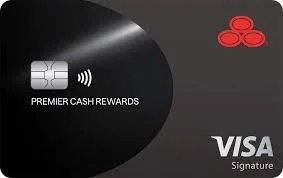
State Farm Premier Cash Rewards Visa Signature Card
Best for qualifying insurance premium payments when the annual cap has room
- Rewards
- Current U.S. Bank and State Farm materials list 3% cash back on insurance premium payments on up to $4,000 spent annually, 2% at gas and EV charging stations, drugstores, grocery stores, and dining, and no annual fee.
- Annual fee
- $0
Pros
- Rare explicit insurance-premium rewards category.
- No annual fee and useful 2% categories beyond insurance.
- Auto deductible reimbursement and cell phone protection may matter for some State Farm customers.
Cons
- The 3% insurance rate is capped at $4,000 in annual insurance purchases before dropping to 1%.
- Value depends on whether your insurer accepts credit cards without a fee that erases the reward.
- Most useful if the State Farm and U.S. Bank card ecosystem fits your household.
Issuer terms are authoritative. Card links may point to issuer pages or approved partners when available.
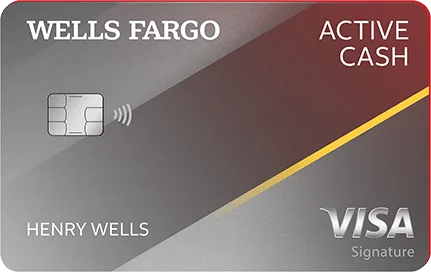
Wells Fargo Active Cash Card
Best simple flat-rate fallback when insurance-specific rewards do not apply
- Rewards
- Wells Fargo lists unlimited 2% cash rewards on purchases with no categories to track and a $0 annual fee.
- Annual fee
- $0
Pros
- Simple 2% cash rewards on eligible purchases.
- No insurance category, quarterly enrollment, or category cap to manage.
- Good fallback when the insurer payment fee is low or nonexistent.
Cons
- Lower ceiling than a qualifying 3% insurance-premium category.
- A card-processing fee above 2% can turn the payment into a net cost.
- Some nonpurchase transactions and fees do not earn rewards under Wells Fargo terms.
Issuer terms are authoritative. Card links may point to issuer pages or approved partners when available.
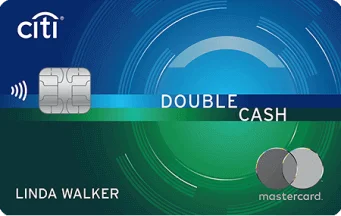
Citi Double Cash Card
Best flat-rate Citi fallback when you want 2% cash back without category tracking
- Rewards
- Current Citi materials describe unlimited 2% cash back on purchases: 1% when you buy and 1% as you pay, with no annual fee.
- Annual fee
- $0
Pros
- Easy benchmark for insurance bills that do not qualify for a special category.
- No rotating category or insurer-specific rule to maintain.
- Can fit Citi users who prefer a flat-rate cash-back card.
Cons
- The full 2% structure depends on making purchases and paying them off under Citi's terms.
- Does not solve insurer card-processing fees.
- A true insurance-premium category can beat it while the cap has room.
Issuer terms are authoritative. Card links may point to issuer pages or approved partners when available.
Insurance premiums are recurring, often large, and easy to over-optimize. A card can earn rewards on an auto, home, renters, or umbrella policy payment, but an insurer fee, an annual cap, or a nonqualifying payment channel can erase the advantage.
The short version: use an explicit insurance-premium card when the transaction qualifies and the fee math is positive. If your insurer charges a high credit card fee, or if you are past the card’s insurance cap, a 2% flat-rate card or a no-fee bank payment may be better.
Which credit card should you use for insurance premiums?
Use the card that gives the best net return after insurance-category rules, card-processing fees, annual caps, and payoff timing. For insurance, the right answer is usually not “highest rewards everywhere”; it is “highest reward on this exact premium payment after fees.”
Madeen’s current in-app fallback catalog shows why insurance is different from everyday categories. The catalog has 3,944 card records and 3,944 active personal cards, but no runtime categoryRewards entry explicitly models insurance-premium rewards because insurance is outside the v1 recommendation category set. At the same time, the full catalog includes 1,035 cards at 1.5x or better on base purchases and 267 cards at 2x or better.
That gap is the point. Many wallets will not contain a true insurance-premium card, but many will contain a strong flat-rate fallback. A good insurance-payment decision starts by checking for a specific insurance rule, then comparing that rule against a 2% card and the insurer’s payment fee.
What are the best credit cards for insurance premiums right now?
The best insurance-premium card depends on whether you have a qualifying insurance-category card, need a simple fallback, or prefer a Citi flat-rate setup:
- State Farm Premier Cash Rewards Visa Signature Card: best for qualifying insurance premium payments while the annual insurance cap has room.
- Wells Fargo Active Cash Card: best simple 2% cash rewards fallback when insurance-specific rewards do not apply.
- Citi Double Cash Card: best Citi flat-rate fallback when you want a no-annual-fee 2% benchmark without category tracking.
Issuer terms are authoritative. Before applying for a card or moving an annual premium, verify the current reward rate, annual cap, annual fee, payment exclusions, insurer processing fee, merchant classification, and whether paying by card changes your billing discount.
Is the State Farm Premier Cash Rewards card good for insurance payments?
State Farm Premier Cash Rewards is good for insurance premiums when the payment qualifies and the annual cap fits your premium amount. Current U.S. Bank and State Farm materials list 3% Cash Back on insurance premium payments on up to $4,000 spent annually, 2% at gas stations, EV charging stations, drugstores, grocery stores, and dining, 1% on other eligible purchases, and no annual fee.
That 3% insurance rate is rare. On $4,000 of qualifying premium payments, 3% is $120 before considering any insurer payment fee. Compared with a 2% flat-rate card, the incremental gain is $40 on that same $4,000 before fees.
The cap matters. After the first $4,000 in annual insurance purchases, the State Farm card’s insurance payments earn 1% under current terms. If your combined auto, home, and umbrella premiums exceed the cap, a flat-rate 2% card may be better for the overflow if your insurer accepts it at a low fee.
When is a 2% flat-rate card better for insurance?
A 2% flat-rate card is better when the insurance-specific reward is unavailable, capped out, or fee-erased. It is also better when you want one simple fallback card for premiums from multiple insurers.
Wells Fargo Active Cash is the cash-back example. Wells Fargo lists unlimited 2% cash rewards on purchases, no categories to track, and a $0 annual fee. Citi Double Cash is another flat-rate benchmark because Citi describes 2% Cash Back on purchases: 1% when you buy and 1% as you pay. Compare flat-rate structures in Wells Fargo Active Cash vs Capital One Quicksilver and Citi Double Cash vs Wells Fargo Active Cash.
The drawback is that 2% is not magic. If your insurer charges a 2.5% credit card fee, a 2% reward is a loss. In that case, a bank account payment with no fee can beat a rewards card even though it earns no rewards.
How do insurer fees change the credit card answer?
Insurer fees turn the decision into simple net math. Compare the reward rate with the exact fee shown before you submit the payment.
Net reward = card reward rate - insurer credit card fee
| Payment setup | Card reward | Insurer fee | Net result |
|---|---|---|---|
| Insurance card while cap has room | 3% | 0% | +3% |
| Insurance card while cap has room | 3% | 2% | +1% |
| 2% flat-rate card | 2% | 0% | +2% |
| 2% flat-rate card | 2% | 2.5% | -0.5% |
| Bank account payment | 0% | 0% | 0%, but no card fee |
Also check for billing discounts. Some insurers discount automatic bank payments, paid-in-full policies, or paperless billing. If a card payment causes you to lose a discount, include that lost discount in the fee side of the comparison.
Should you pay auto, home, or renters insurance with a credit card?
Pay insurance with a credit card only when you can pay the card in full and the net reward is positive. Insurance premiums are not worth carrying a credit card balance, because interest can overwhelm any rewards.
Use this order:
- Check whether the insurer accepts credit cards. Some do, some do not, and some limit card use by policy type or payment plan.
- Check the fee. A fee above the card reward usually makes the card payment a poor rewards move.
- Check for insurance-specific rewards. A true insurance-premium card can beat a flat-rate card while the cap has room.
- Check the cap period. Annual insurance caps can be used quickly by a paid-in-full auto or homeowners policy.
- Check autopay reliability. Do not chase a small reward if it risks a missed payment, coverage lapse, or billing error.
If the reward difference is small, favor the payment method that is reliable, fee-free, and easy to reconcile.
Can insurance premiums help meet a welcome bonus?
Insurance premiums can sometimes help with a welcome bonus, but only if the transaction is an eligible purchase under the card’s offer terms and you were going to pay the premium anyway. Do not buy extra coverage, change coverage for rewards, or carry a balance just to earn a bonus.
Large annual premiums can be useful because they are real required spending. The danger is fees and timing. If the insurer charges a fee, include it in the bonus math. If the payment posts after the bonus deadline, it may not help. If the card issuer excludes certain transaction types, the premium may not count the way you expect.
This is a rewards article, not insurance advice. Keep the policy choice separate from the payment choice: choose coverage based on your insurance needs, then pick the payment method that produces the best safe net value.
How can Madeen help choose an insurance-premium card?
Madeen helps by keeping the fallback comparison tied to cards you already carry. You select your cards on your iPhone, choose the relevant purchase category where available, and Madeen compares local reward rules without bank login, card numbers, or transaction history.
For insurance premiums, use Madeen as the wallet check, then layer in the insurance-specific details. The app can help surface a strong flat-rate card in your wallet, but you still need to confirm whether a card has explicit insurance-premium rewards, whether the payment qualifies, whether the annual cap has room, and whether your insurer charges a fee.
For privacy details, read the Madeen Privacy Policy or the product note on why Madeen does not ask for your bank login. For similar fee-sensitive decisions, compare this guide with which credit card to use for utility bills, which credit card to use for medical bills, which credit card to use to pay taxes, and whether a credit card annual fee is worth it when a fee card’s category rate is part of the math.
What should you check before paying an insurance premium by card?
Check the payment screen and card terms before you move a premium. The best card is the one that improves the payment after fees, caps, and reliability are included.
Before paying, review:
- Reward category. Confirm whether the card has explicit insurance-premium rewards or only base rewards.
- Insurer fee. Compare the exact card fee against the reward rate.
- Annual cap. A 3% insurance category can drop after a set amount of yearly spend.
- Policy discount. Make sure card payment does not remove a bank-autopay or paid-in-full discount.
- Payment timing. Avoid any payment method that risks a late premium or coverage lapse.
- Payoff plan. Rewards are not worth credit card interest.
- Issuer terms. Use issuer pages and card agreements as the source of truth for rewards, exclusions, and benefit rules.
Related encyclopedia topics
Frequently asked questions
Which credit card should I use for insurance premiums?
Use a card with explicit insurance-premium rewards if the payment qualifies, the annual cap has room, and your insurer's card fee is lower than the reward. Otherwise, use a strong flat-rate card or pay from a bank account if the fee erases the cash back.
What is the best credit card for insurance payments?
For a narrow insurance-premium reward, the State Farm Premier Cash Rewards Visa Signature Card is the clearest example because current issuer materials list 3% cash back on insurance premium payments up to an annual cap. For broader wallets, a 2% flat-rate card is the cleaner fallback.
Is 3% cash back on insurance better than 2% cash back?
Three percent is better only if the transaction qualifies, the cap is not used up, and the insurer fee does not erase the extra return. After a 3% insurance cap is reached, or when a fee is high, a 2% flat-rate card or bank payment can be better.
Do insurance companies charge fees for credit card payments?
Some insurers and payment processors charge convenience or processing fees, while others do not. Always compare the exact fee shown at checkout against the card reward before paying a premium by credit card.
Can I use a credit card to pay health insurance premiums?
Some health insurers accept credit cards, but many limit card payments or route them through a processor that charges a fee. Compare the exact fee at checkout against your card reward before paying a health premium by credit card.
What is the best credit card for car insurance payments?
For explicit insurance-premium rewards, the State Farm Premier Cash Rewards Visa Signature Card lists 3% cash back on qualifying insurance premium payments up to an annual cap. Otherwise use a 2% flat-rate card such as Wells Fargo Active Cash when the insurer fee is low or zero.
Do insurance companies charge a fee for credit card payments?
Many insurers charge a convenience or processing fee, often around 2% to 3%. A card reward only wins when the reward rate minus the fee stays positive — otherwise a no-fee bank payment can be better.
Can Madeen choose an insurance-premium card without bank login?
Madeen can compare local reward rules and flat-rate fallback cards for cards you select without bank login or card numbers, but insurance-premium category eligibility, payment fees, caps, and issuer terms still decide the final best card.
Sources and notes
- Madeen analysis Madeen card catalog insurance-premium and base-reward analysis - Madeen Accessed 2026-05-31.
- Issuer terms State Farm Premier Cash Rewards Visa Signature Card - U.S. Bank and State Farm Accessed 2026-05-31.
- Issuer terms Wells Fargo Active Cash Credit Card - Wells Fargo Accessed 2026-05-31.
- Issuer terms Citi Double Cash Credit Card - Citi Accessed 2026-05-31.