Which Credit Card for Electric, Gas & Water Bills in July 2026?
Best cards for utility bills in July 2026: home-utility 5% categories, processing fees, seasonal caps, autopay tips, and when cell or internet bills need a different card.
Madeen compares public issuer terms with its card-rule catalog. Issuer pages control rewards, fees, benefits, exclusions, and eligibility; Madeen does not issue cards, make approval decisions, or provide financial advice.
What are the best credit cards for utility bills right now?
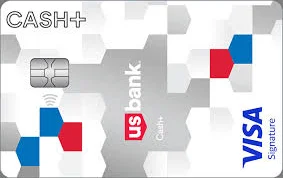
U.S. Bank Cash+ Visa Signature Card
Best 5% cash back when Home Utilities is selected and the fee math works
- Rewards
- 5% cash back on the first $2,000 in combined eligible purchases each quarter on two chosen categories, including Home Utilities, after quarterly enrollment.
- Annual fee
- $0
Pros
- Highest utility-bill cash-back rate among the cards reviewed here.
- Home Utilities is listed as a 5% Cash+ category under current U.S. Bank category terms.
- No annual fee.
Cons
- Requires choosing and enrolling in categories each quarter.
- The 5% rate is capped at the first $2,000 in combined quarterly purchases across the two 5% categories.
- A utility provider processing fee can erase part or all of the reward.
Issuer terms are authoritative. Card links may point to issuer pages or approved partners when available.
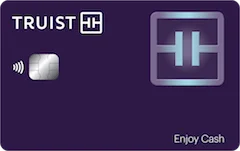
Truist Enjoy Cash (3-2-1%)
Best no-annual-fee card with explicit utilities language and no quarterly category selection
- Rewards
- 2% cash back on groceries and utilities under the 3-2-1 rewards option, up to a combined $1,000 monthly spend cap, plus 3% on gas and EV charging.
- Annual fee
- $0
Pros
- Issuer terms explicitly mention utilities.
- No quarterly category activation after choosing the 3-2-1 rewards option at application.
- Monthly cap can fit many household utility and grocery bills.
Cons
- The 2% utilities and groceries rate shares a combined $1,000 monthly cap.
- The rewards option is chosen when applying and cannot be changed later under current Truist terms.
- A flat 2% card can be simpler if your utility provider charges a card fee.
Issuer terms are authoritative. Card links may point to issuer pages or approved partners when available.
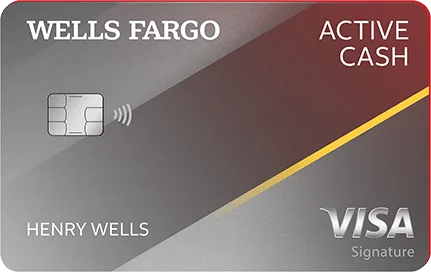
Wells Fargo Active Cash Card
Best flat-rate fallback when a utility bonus is unavailable, capped, or fee-erased
- Rewards
- Unlimited 2% cash rewards on purchases under current Wells Fargo terms, with no categories to track or quarterly activations.
- Annual fee
- $0
Pros
- Simple unlimited 2% cash rewards on purchases.
- No category enrollment, utility definition, or quarterly cap to manage.
- Useful fallback for utility providers that do not code as a bonus category.
Cons
- Lower ceiling than a qualifying 5% utility category.
- Still may not beat a utility provider's credit card processing fee.
- Foreign transaction fee applies under current Wells Fargo terms, though that usually does not matter for U.S. utilities.
Issuer terms are authoritative. Card links may point to issuer pages or approved partners when available.
Utility bills are a good rewards target because they repeat every month, but they are also one of the easiest places to over-optimize. Electric, natural gas, water, trash, internet, and phone bills can have different payment rules, provider fees, merchant codes, and card categories.
The short version: use a utility-specific bonus card only when the bill qualifies, the cap has room, and any card-processing fee is lower than the reward. If the provider fee is high or the category is unclear, use your best flat-rate card or pay from a bank account instead.
Which credit card should you use for utility bills?
Use the card in your wallet with the highest net return after subtracting provider fees. A 5% home-utility category can beat a 2% flat-rate card, but only if the utility accepts credit cards, the payment codes correctly, you are enrolled in the category, and the processing fee does not wipe out the reward.
Madeen’s current in-app fallback catalog shows why this is not a universal “best card” question. Across 3,944 cards, only one catalog reward rule uses explicit “utilities” language. One additional generic 5% chosen-category card maps to Home Utilities in current official issuer category terms. By contrast, 1,035 cards earn at least 1.5x or 1.5% on base purchases, and 328 cards earn at least 2x or 2% on base purchases.
That split matters. Many wallets will not have a dedicated utility card, but many will have a strong fallback card. The right answer is usually a fee-aware comparison between a narrow utility bonus and the best base-rate card you already carry.
What are the best credit cards for utility bills right now?
The best utility bill card depends on whether you want the highest possible rate, an explicit utilities category, or a simple fallback:
- U.S. Bank Cash+ Visa Signature Card: best if you choose Home Utilities as one of your two 5% categories, enroll each quarter, stay under the shared quarterly cap, and your provider’s card fee is low enough.
- Truist Enjoy Cash (3-2-1%): best if you want issuer terms that explicitly mention utilities without quarterly category selection, and your utility plus grocery spend fits the combined monthly cap.
- Wells Fargo Active Cash Card: best when you need a no-maintenance flat-rate card because the utility bonus is unavailable, capped out, or erased by a provider fee.
Issuer terms are authoritative. Before applying for a new card or moving autopay, verify current rewards, annual fees, category lists, spending caps, payment exclusions, and provider fees on the issuer and utility provider pages.
Is 5% Cash Back on utilities worth it if the provider charges a fee?
Five percent Cash Back is worth it only when the net reward remains positive after the processing fee. If the utility charges 2.5% to pay by credit card, a 5% card nets about 2.5% before considering caps. A 2% card with the same fee loses money.
U.S. Bank Cash+ is the highest-rate example here. U.S. Bank lists Home Utilities as a 5% Cash+ category and says Cash+ earns 5% Cash Back on the first $2,000 in combined eligible purchases each quarter on two categories you choose. U.S. Bank also says cardmembers must enroll each quarter, and purchases over the 5% cap earn 1%.
The fee check is separate from issuer rewards. Discover’s utility-bill guidance notes that some utility companies charge a processing fee for credit card payments and that rewards should offset the cost. That is the key utility-bill test: reward rate minus payment fee, then compare the result with your no-fee payment option.
How should you calculate the utility bill reward?
Calculate utility bill rewards with net return, not headline rate. The formula is simple:
Net reward = card reward rate - provider credit card fee
For example:
| Card setup | Provider fee | Net result |
|---|---|---|
| 5% utility category | 0% | +5% |
| 5% utility category | 2.5% | +2.5% |
| 2% flat-rate card | 0% | +2% |
| 2% flat-rate card | 2.5% | -0.5% |
| Bank account payment | 0% | 0%, but no card reward or card fee |
This is why a no-fee payment method can beat a rewards card. If the provider charges a fee higher than your card’s reward rate, paying by credit card is usually a poor rewards move unless you have another reason, such as meeting a minimum spend requirement without buying things you do not need.
Do electric, gas, water, internet, and phone bills count the same way?
No. Home utilities, internet, TV, streaming, phone providers, and online bill payments can be separate categories depending on the issuer. Do not assume that “utility bill” means every recurring household bill qualifies.
U.S. Bank Cash+ illustrates the separation. Its current 5% category list includes Home Utilities, TV, Internet & Streaming Services, and Cell Phone Providers as distinct categories. If you choose Home Utilities, that does not automatically mean your internet or cell phone bill is covered by the same selected category.
This is also why Madeen published separate guides to which credit card to use for cell phone bills, which credit card to use for internet bills, which credit card to use for rent, Bilt vs Chase Sapphire Preferred when housing and travel points compete for the same wallet, and which credit card to use for Costco gas. A wireless bill may involve cell phone provider categories, telecom language, online-shopping rules, or cell phone protection benefits. An electric or water bill is a different decision — and summer road-trip fuel may route through warehouse-club pumps instead of home-utility categories.
When is a 2% flat-rate card better for utility bills?
A 2% flat-rate card is better when the utility-specific card does not produce a reliable net gain. That can happen even when the advertised utility rate looks higher.
Use the flat-rate fallback when:
- The utility charges a high card fee. A fee above the reward rate turns Cash Back into a cost.
- The bill does not qualify. The provider’s merchant code may not match the card’s utility category.
- The category is not selected. A chosen-category card may earn only 1% if you forget to enroll.
- The cap is used up. After a 5% cap, a 2% flat-rate card can beat the category card.
- The bill varies seasonally. Summer air conditioning or winter heating can push a shared cap faster than expected.
- Autopay reliability matters more. A simple card or bank payment can be better than a category you must maintain every quarter.
Wells Fargo Active Cash is the fallback example here because Wells Fargo lists unlimited 2% cash rewards on purchases and no annual fee. It does not solve processing fees, but it avoids category matching and quarterly activation.
For broader fallback strategy, read Madeen’s guide to which credit card to use for everyday purchases.
For utility cards with quarterly enrollment, shared category limits, or monthly spend thresholds, read how credit card reward caps and limits work. If the bill is actually a wireless provider bill, compare it with which credit card to use for cell phone bills. Home internet often codes separately from electric or gas utilities — see which credit card to use for internet bills before assuming one utility card covers every recurring household bill. For streaming and SaaS subscriptions, daycare tuition on autopay, or Costco gas on summer fill-ups, use separate guides because merchant coding rarely matches home-utility categories.
How do caps change the utility bill answer?
Caps matter because utility bills are steady and sometimes seasonal. A shared cap can look generous until multiple recurring bills hit it at once.
U.S. Bank Cash+ caps the 5% rate at the first $2,000 in combined eligible purchases each quarter across the two selected 5% categories. If you select Home Utilities and TV, Internet & Streaming Services, both categories draw from the same quarterly 5% bucket. Large summer electric bills, winter heating bills, or a combined household with multiple properties can use that cap faster than expected.
Truist Enjoy Cash has a different cap shape. Truist says the 3-2-1 rewards option earns 2% on groceries and utilities up to a combined $1,000 monthly spend cap, with 1% on other eligible purchases. That can be easier to track monthly, but groceries and utilities share the same cap.
The practical rule: if your utility card has a cap, compare the next dollar of utility spend, not the first dollar. After the cap, your best flat-rate card may win.
Should you put utility bills on autopay with a credit card?
Autopay can be convenient, but it should not be set once and forgotten. Utility bills can fluctuate, category enrollment can expire, card numbers can change, and provider fees can change.
Before setting credit card autopay, check:
- Whether the provider accepts credit cards directly.
- Whether it charges a percentage fee, flat fee, or no fee.
- Whether the card category requires quarterly selection or activation.
- Whether the bill amount could push you near a credit limit or rewards cap.
- Whether using a bank account avoids a fee that the card cannot overcome.
Discover’s utility-bill guidance also flags fluctuating electric bills as a reason to watch available credit when using autopay. That is especially relevant during summer cooling season or winter heating season.
How can Madeen help choose a utility bill card?
Madeen helps because utility bills are a wallet-specific decision. You select the cards you already carry, choose a category, and Madeen compares local reward rules on your iPhone without bank login, card numbers, or transaction history.
The catalog data is useful because it shows how rare explicit utility rewards are compared with strong base rewards. Madeen can point out a clear utility-category winner when your wallet has one and a flat-rate fallback when it does not.
For privacy details, read the Madeen Privacy Policy or the product note on why Madeen does not ask for your bank login. If you are adding a new card for utility autopay, review how credit utilization affects your credit score when large seasonal bills report.
What should you do next?
Pick one utility bill and run the net-reward test before moving everything. Check the provider’s credit card fee, the issuer’s category definition, and the card’s cap. If the first payment earns the expected bonus and the fee math is positive, consider moving similar bills. If not, use your flat-rate fallback or a no-fee bank payment.
The best utility bill setup is boring in a good way: a card that actually qualifies, beats the fee, stays under the cap, and keeps autopay simple enough that you will not miss an enrollment or payment.
Related encyclopedia topics
Frequently asked questions
Which credit card should I use for utility bills?
Use the card that gives the highest net reward after subtracting any utility provider processing fee. A 5% home-utility category can win when it qualifies and the cap has room, but a 2% flat-rate card may be better when the fee or category uncertainty is high.
Is 5% cash back on utilities worth it if there is a processing fee?
It is worth it only when the reward rate is higher than the processing fee and the purchase stays within the card's cap. A 5% card with a 2.5% fee still nets about 2.5%, but a 2% card with the same fee is a loss.
Do internet and cell phone bills count as utilities?
Not always. Some cards separate home utilities from cell phone providers, TV, internet, streaming, telecom, or online-shopping categories, so check the issuer category list before assuming one bill type qualifies for another.
Should I put electric, gas, and water bills on a flat-rate card?
Use a flat-rate card when your utility provider charges a fee that wipes out the bonus, does not accept credit cards, does not code as a qualifying utility merchant, or when your category card is capped out.
Can Madeen choose a utility bill card without bank login?
Madeen can compare local reward rules for cards you select without bank login or card numbers, but issuer terms and the utility provider's payment rules still decide whether a specific bill qualifies and whether fees apply.
Is it smart to put utility bills on a credit card?
It is smart when the net reward beats any provider processing fee and you pay the statement balance in full each month. Autopay on a credit card can also build payment history, but a high card fee or a category that does not qualify can make a bank account the better choice.
Which credit card is good for bills?
U.S. Bank Cash+ is strong when Home Utilities is one of your 5% categories and the cap has room. Wells Fargo Active Cash is the simple 2% fallback when fees or coding erase a category bonus. Cell phone and internet bills often need separate guides because they may not code as home utilities.
How do you get credit for paying utility bills?
On-time utility payments on a credit card can help your payment history when you pay the statement balance in full. Some issuers and rent platforms also report housing or utility payments to credit bureaus — Bilt's rent workflow is the best-known rent example. A utility card only helps your score if autopay stays current and utilization stays manageable.
Sources and notes
- Madeen analysis Madeen card catalog utility and home-utility reward analysis - Madeen Accessed 2026-06-01.
- Issuer terms U.S. Bank Cash+ Visa Signature Card - U.S. Bank Accessed 2026-06-01.
- Issuer terms U.S. Bank Cash+ Categories - U.S. Bank Accessed 2026-06-01.
- Issuer terms Truist Enjoy Cash credit card - Truist Accessed 2026-06-01.
- Issuer terms Wells Fargo Active Cash Credit Card - Wells Fargo Accessed 2026-06-01.
- Issuer terms Wells Fargo Active Cash Credit Card terms and conditions - Wells Fargo Accessed 2026-06-01.
- Issuer terms The Best Credit Card to Pay Utility Bills for You - Discover Accessed 2026-06-01.