What Credit Card Should You Use for Medical Bills in July 2026?
Best cards for medical bills in July 2026: provider fees, HSA/FSA rules, CareCredit vs 2% fallbacks, payment plans, and when rewards beat ACH — before you pay a hospital bill.
Madeen compares public issuer terms with its card-rule catalog. Issuer pages control rewards, fees, benefits, exclusions, and eligibility; Madeen does not issue cards, make approval decisions, or provide financial advice.
What are the best credit cards for medical bills right now?
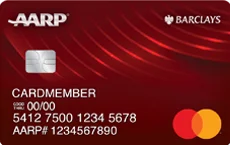
AARP Essential Rewards Mastercard
Best for eligible medical expenses when the provider accepts Mastercard without a fee that erases the reward
- Rewards
- Current Barclays materials list unlimited 2% cash back on eligible medical expenses such as doctors, dentists, chiropractors, glasses, hearing aids, and more, plus a $0 annual fee.
- Annual fee
- $0
Pros
- Has explicit medical-expense reward language from Barclays.
- No annual fee under current Barclays materials.
- Also earns 3% cash back on gas and drug store purchases, excluding Target and Walmart.
Cons
- The medical category depends on eligible medical-expense terms and merchant coding.
- A provider card-processing fee can erase a 2% reward.
- AARP-branded card terms, partner disclosures, and eligibility details should be checked before applying.
Issuer terms are authoritative. Card links may point to issuer pages or approved partners when available.
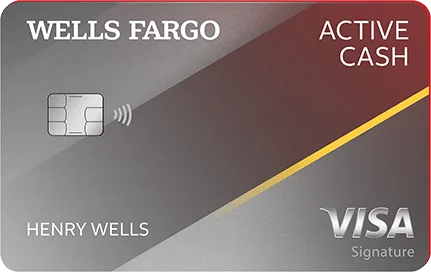
Wells Fargo Active Cash Card
Best simple 2% fallback when the medical provider does not fit a specific rewards category
- Rewards
- Wells Fargo lists unlimited 2% cash rewards on purchases with no categories to track and a $0 annual fee.
- Annual fee
- $0
Pros
- Simple 2% benchmark for doctor, dentist, vision, and other provider payments.
- No selected category or quarterly activation to manage.
- Useful outside healthcare as an everyday cash-back fallback.
Cons
- Does not have medical-specific reward language.
- A medical provider fee above the reward rate can make card payment worse than ACH, debit, check, or an HSA card.
- Cash equivalents, fees, balance transfers, and other excluded activity do not earn rewards under Wells Fargo terms.
Issuer terms are authoritative. Card links may point to issuer pages or approved partners when available.
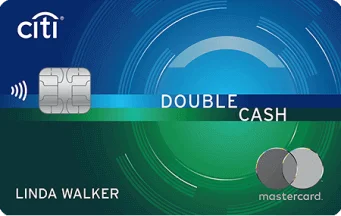
Citi Double Cash Card
Best 2% cash-back alternative for people who already prefer Citi's pay-as-you-go reward structure
- Rewards
- Citi's current card materials describe up to 2% cash back on purchases: 1% when you buy and 1% as you pay, with no annual fee.
- Annual fee
- $0
Pros
- A clear flat-rate option when no medical category applies.
- No rotating category, provider list, or quarterly cap to track.
- Can be useful for large medical bills if the provider charges no card fee and the balance will be paid on time.
Cons
- The 2% structure depends on making payments, not just making the purchase.
- It does not add medical-specific financing protections or provider discounts.
- Interest charges can overwhelm rewards if the balance is carried.
Issuer terms are authoritative. Card links may point to issuer pages or approved partners when available.
Medical bills are different from ordinary everyday purchases. A doctor, dentist, hospital, specialist, optometrist, hearing-aid provider, physical therapist, or veterinary-style financing offer can involve insurance adjustments, provider card fees, payment plans, HSA or FSA rules, and deferred-interest promotions.
The short version: use a credit card for a medical bill only after checking the provider’s card fee, financial assistance options, insurance balance, and whether you can pay the statement balance in full. If the fee is low or zero, a medical-specific 2% card or a flat-rate 2% card can work. If the fee is higher than the reward, use a cheaper payment method. For routine pharmacy runs, compare the drugstores guide and dental guide. For home-medical equipment or renovation-adjacent bills, see which credit card for Home Depot.
Which credit card should you use for medical bills?
Use the card that gives the best net value after provider fees, medical-expense eligibility, HSA or FSA reimbursement rules, and financing costs. A medical-specific card can be useful when its category terms clearly fit the provider. Otherwise, a simple 2% flat-rate card is the benchmark to beat.
Madeen’s current in-app fallback catalog shows why medical bills need a separate answer. The catalog has 3,944 card records and 1,133 active personal card records. In the current v1 runtime reward fields, no active personal category reward rule explicitly mentions medical, doctor, dental, hospital, vision, or hearing terms. At the same time, 229 active personal records mention medical-related terms somewhere in benefits or detail metadata. The Madeen methodology explains how catalog analysis is kept separate from issuer-confirmed card terms, and the Card Rules Index documents the broader reward-rule snapshot behind these counts.
That gap matters. Many cards have health-adjacent benefits, travel emergency assistance, purchase protections, or medical words in fine print, but far fewer have clear medical-spending reward categories. The practical answer is to compare a confirmed medical-specific card, a 2% flat-rate fallback, and the provider’s cheapest payment option.
What are the best credit cards for medical bills right now?
The best medical-bill card depends on whether the provider payment qualifies for a medical category, whether the provider charges a card fee, and whether you need financing instead of rewards:
- AARP Essential Rewards Mastercard: best when the bill qualifies as an eligible medical expense and the provider does not charge a fee that erases 2% Cash Back.
- Wells Fargo Active Cash Card: best simple 2% fallback when the purchase has no medical-specific category.
- Citi Double Cash Card: best 2% alternative for people who already prefer Citi’s 1% when you buy and 1% as you pay structure.
Issuer terms are authoritative. Before applying for a card or paying a large medical bill, verify the current annual fee, reward rate, eligible medical-expense language, provider acceptance, card-processing fee, exclusions, APR, and whether the payment counts as a purchase rather than a cash-like or financing transaction.
When is AARP Essential Rewards best for medical expenses?
AARP Essential Rewards Mastercard is the cleanest medical-specific example in Madeen’s catalog. Current Barclays materials list unlimited 2% Cash Back on eligible medical expenses, with examples including doctors, dentists, chiropractors, glasses, hearing aids, and more. Barclays also lists a $0 annual fee, 3% Cash Back on gas and drug store purchases excluding Target and Walmart, and 1% Cash Back on all other purchases.
That explicit medical language is valuable because many cards treat a doctor or dentist bill as an ordinary purchase. If your provider accepts Mastercard, the transaction qualifies under the card’s medical-expense terms, and there is no card-processing fee above the reward, 2% Cash Back can be a reasonable return on an unavoidable bill.
The caveat is net value. A 2% reward is easy to erase. If the provider charges a 3% convenience fee for credit cards, the card is likely a losing choice. If the bill is eligible for a no-interest provider payment plan, charity care, insurance correction, or HSA/FSA payment path, those options can matter more than rewards.
When is a 2% flat-rate card enough for a doctor or dentist bill?
A 2% flat-rate card is enough when no medical-specific category clearly applies and the provider does not charge a fee that exceeds the reward. Wells Fargo Active Cash is a useful benchmark because Wells Fargo lists unlimited 2% cash rewards on purchases with no categories to track and a $0 annual fee.
Citi Double Cash is another flat-rate benchmark. Citi’s current card materials describe up to 2% Cash Back on purchases: 1% when you buy and 1% as you pay. That payment structure matters for medical bills because the reward is not the real win if interest accrues. The bill should be paid on time and in full unless you have deliberately chosen a financing path that is cheaper than alternatives.
Madeen’s catalog supports treating 2% as the default comparison point. Among active personal cards in the local fallback catalog, 425 earn at least 1.5x or 1.5% on base purchases, 328 earn at least 2x or 2% on base purchases, and 12 cash-back cards earn at least 2% on base purchases. In other words, a good medical-bill card often starts as a strong everyday card.
Should you use a medical credit card such as CareCredit?
Use a medical credit card only after reading the financing terms, not because it sounds like the default healthcare payment option. CareCredit says its credit card can be used for health and wellness expenses at more than 285,000 locations, and it describes promotional financing for qualifying purchases. It also describes a CareCredit Rewards Mastercard option with points on certain purchases.
That can be useful in the right situation, but it is a financing decision, not just a rewards decision. CFPB guidance says medical credit cards and medical payment plans can carry risks, including deferred-interest promotions. If the balance is not fully paid by the end of the promotional period or payments are missed, the cost can become much larger than any rewards value.
Ask about financial assistance, insurance coverage, and provider payment plans before putting a bill on any medical credit product. The CFPB specifically advises consumers to ask about available financial assistance and insurance coverage before agreeing to a payment plan or medical credit card. A medical credit card may still fit, but it should not replace the lower-cost options you are entitled to consider.
How do HSA and FSA accounts change the card choice?
HSA and FSA accounts can make the card decision less obvious. IRS Publication 969 explains tax-favored health plans such as HSAs, FSAs, and HRAs, and notes that distributions may be tax free when used for qualified medical expenses. That tax treatment can be more valuable than a small credit card reward.
Some people pay a provider with a rewards card and reimburse themselves from an HSA or FSA later. Others use an HSA or FSA debit card directly. The right workflow depends on the plan administrator, receipt rules, substantiation requirements, and whether the expense qualifies. Keep itemized receipts and explanation-of-benefits documents if reimbursement is part of the plan.
This is also where timing matters. A provider may adjust the bill after insurance, apply a discount for direct payment, or offer an interest-free installment plan. Do not rush to pay a large bill with a rewards card before the final patient responsibility is clear.
How can Madeen help choose a medical-bill card?
Madeen helps by keeping the reward comparison tied to cards you already carry. You select your cards on your iPhone, choose the closest available category or everyday fallback, and Madeen compares local reward rules without bank login, card numbers, or transaction history.
For medical bills, use Madeen as the wallet check, then add the healthcare-specific facts: provider card fee, eligible medical-expense terms, HSA or FSA reimbursement, insurance balance, payment-plan terms, and whether a medical financing product is cheaper or riskier than a standard card. That keeps the decision practical instead of turning every medical bill into a generic “use your best cash-back card” answer.
For privacy details, read the Madeen Privacy Policy or the product note on why Madeen does not ask for your bank login. For dentist and orthodontist charges billed separately from hospital visits, see which credit card for dental work. For surgery and hospital stays with larger balances, see which credit card for surgery and which credit card for insurance premiums. For pharmacy and OTC spend that often sits next to medical bills, see which credit card to use at drugstores. For recurring clinic or home-health utility charges billed separately from the visit, compare which credit card for utility bills and which credit card for daycare when dependent-care costs stack with medical spend. If you buy eligible OTC or medical supplies online, compare shopping portal vs card rewards before you click a portal link. For credit-building before adding a medical-rewards card, see what credit score you need for a rewards card, should you get a second credit card, and how credit utilization affects your score. For broader fallback math, compare which credit card to use for everyday purchases and whether a credit card annual fee is worth it.
What should you check before paying a medical bill by credit card?
Check the medical bill and the payment channel before paying, especially when the balance is large or still being processed by insurance. A small reward is not worth losing a lower-cost payment path.
Before paying, review:
- Final patient responsibility. Wait for insurance adjustments and corrected bills when possible.
- Provider card fee. A 2% reward loses to a 3% card-processing fee.
- Medical category terms. Confirm whether doctors, dentists, hospitals, vision, hearing, or specialists are eligible.
- HSA or FSA workflow. Confirm receipts, reimbursement timing, and qualified-expense rules with your plan.
- Financial assistance. Ask hospitals and providers about charity care, discounts, and payment plans before using credit.
- Financing terms. Read deferred-interest deadlines, minimum payments, APRs, and late-payment rules.
- Issuer terms. Use official issuer pages as the source of truth for rewards, exclusions, annual fees, and credit terms.
Medical bills are a good example of why the best card is not always the highest visible reward rate. Use a medical-specific card when the terms and fee math fit, use a flat-rate fallback when the category is unclear, and use a cheaper non-card payment method when rewards are not worth the cost.
Related encyclopedia topics
Frequently asked questions
Which credit card should I use for medical bills?
Use a medical-specific rewards card only when the provider payment qualifies and any card-processing fee is lower than the reward. Otherwise, compare a 2% flat-rate card with ACH, debit, check, HSA/FSA payment, provider payment plans, and any financial assistance options.
Is 2% cash back enough for doctor or dentist bills?
A 2% card can be enough when the provider does not charge a card fee and you can pay the statement balance in full. If the provider charges more than about 2% to use a card, the fee can erase the reward.
Is a medical credit card such as CareCredit better?
A medical credit card can help with promotional financing, but it is not automatically better for rewards. CFPB guidance warns that deferred-interest medical financing can become expensive if the balance is not fully paid by the promotional deadline or payments are missed.
Should I use an HSA or FSA card instead of a rewards credit card?
HSA and FSA rules can change the best payment method. If you plan to reimburse yourself after paying with a rewards card, keep receipts and confirm your plan's process. For tax questions, use IRS guidance or your plan administrator.
Can you pay hospital bills with a credit card?
Many hospitals and clinics accept credit cards, but some charge a convenience fee that can exceed cash-back rewards. Ask for the fee rate, financial assistance options, and whether an HSA, FSA, ACH, or payment plan is cheaper before choosing a card.
Is a pharmacy card better than a medical card for prescriptions?
Prescription and drugstore spend often fits pharmacy or drugstore category cards better than a medical-expense card. Compare the [drugstore credit card guide](/blog/which-credit-card-for-drugstores/) when the charge is at CVS, Walgreens, or another pharmacy rather than a hospital billing office.
Can Madeen choose a medical-bill card without bank login?
Madeen can compare local reward rules for cards you select without bank login or card numbers, but medical-expense eligibility, provider card fees, HSA/FSA rules, financing terms, and issuer category rules still decide the final best card.
Is it smart to put medical bills on a credit card?
It can be smart only when the provider charges no card fee (or a fee below your reward rate), you can pay the statement balance in full, and cheaper paths such as HSA/FSA payment, financial assistance, or an interest-free provider plan are ruled out. Carrying a large balance for rewards is usually a losing trade because interest overwhelms cash back.
How do you pay a medical bill if you cannot pay all at once?
Ask the provider about financial assistance, charity care, interest-free installment plans, and insurance corrections before using credit. If you must finance, compare provider plans, medical credit products, and a standard card only after reading deferred-interest deadlines and APR terms — CFPB guidance warns deferred-interest medical financing can become expensive if the balance is not cleared on time.
Sources and notes
- Madeen analysis Madeen card catalog medical-bills and flat-rate fallback analysis - Madeen Accessed 2026-05-19.
- Issuer terms AARP Essential Rewards Mastercard from Barclays - Barclays Accessed 2026-05-19.
- Reference AARP Essential Rewards Mastercard from Barclays - AARP Accessed 2026-05-13.
- Issuer terms Wells Fargo Active Cash Credit Card - Wells Fargo Accessed 2026-05-19.
- Issuer terms Citi Double Cash Credit Card - Citi Accessed 2026-05-19.
- Issuer terms How Does the CareCredit Credit Card Work? - CareCredit Accessed 2026-05-19.
- Regulator What should I know about medical credit cards and payment plans for medical bills? - Consumer Financial Protection Bureau Accessed 2026-05-19.
- Regulator Publication 969: Health Savings Accounts and Other Tax-Favored Health Plans - Internal Revenue Service Accessed 2026-05-19.