Is Citi Double Cash or Wells Fargo Active Cash Better in June 2026?
Citi Double Cash vs Wells Fargo Active Cash compared on 2% earn structure, welcome bonus, intro APR, network, cell phone protection, and who should pick each flat-rate card.
Madeen compares public issuer terms with its card-rule catalog. Issuer pages control rewards, fees, benefits, exclusions, and eligibility; Madeen does not issue cards, make approval decisions, or provide financial advice.
Citi Double Cash vs Wells Fargo Active Cash vs Chase Freedom Unlimited at a glance
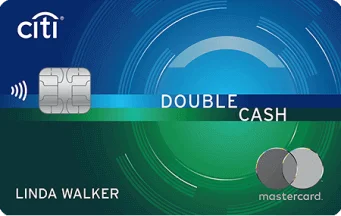
- Rewards
- 2% total cash back — 1% when you buy and 1% when you pay — under current Citi terms; $0 annual fee.
- Annual fee
- $0
Pros
- Strong travel pairing potential when combined with a Citi Strata Premier–class card.
- Longer intro APR window on balance transfers under current terms.
- Simple effective rate if you always pay statement balances.
Cons
- Mastercard network — not accepted at Costco warehouses.
- Second 1% only posts when you pay — not ideal if you carry balances.
- 3% foreign transaction fee.
Issuer terms are authoritative. Card links may point to issuer pages or approved partners when available.
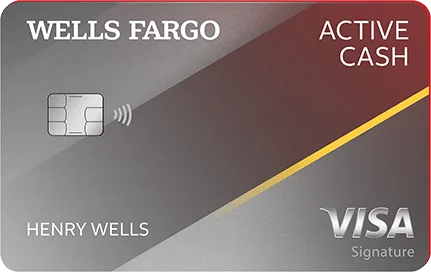
- Rewards
- Unlimited 2% cash rewards on purchases under current Wells Fargo terms; $0 annual fee; cell phone protection when you pay your bill with the card.
- Annual fee
- $0
Pros
- Full 2% on purchases without waiting for payment to post.
- Lower spend threshold for typical welcome bonus ($500 in 3 months vs $1,500 in 6 months).
- Visa Signature — works at Costco and includes cell phone protection.
Cons
- 3% foreign transaction fee.
- Weaker path to transferable points unless you add other Wells Fargo products.
- Intro APR on purchases is shorter than some rivals.
Issuer terms are authoritative. Card links may point to issuer pages or approved partners when available.
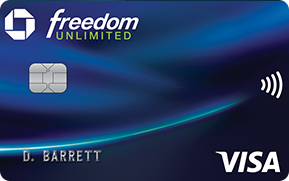
Chase Freedom Unlimited® Credit Card
No-FOMO flat cash back if you want Chase bank relationships
- Rewards
- 1.5% cash back on all purchases with bonus categories under current Chase terms.
- Annual fee
- $0
Pros
- $0 annual fee with predictable earn on non-category spend.
- Pairs with Double Cash when you want Chase ecosystem access.
- Useful when rotating categories are not worth tracking.
Cons
- Does not match Double Cash effective rate on all purchases without pairing.
- Intro offers differ — model year-one and year-two separately.
- Chase eligibility rules apply.
Issuer terms are authoritative. Card links may point to issuer pages or approved partners when available.
Two of the most popular no-annual-fee cards both advertise about 2% Cash Back — but they pay differently, bonus differently, and sit on different networks. Picking the right one depends on whether you pay in full, shop at Costco, or want a path into travel points later. Compare Madeen effective-rate breakdowns on the Citi Double Cash card page and Wells Fargo Active Cash card page before you apply.
Is Citi Double Cash or Wells Fargo Active Cash better?
Wells Fargo Active Cash is better for most people who want simple 2% cash rewards on every purchase, an easier welcome bonus, Visa acceptance at Costco, and included cell phone protection. Citi Double Cash is better if you reliably pay statement balances in full, want a longer balance-transfer intro APR, or plan to pair the card with Citi ThankYou travel products.
Madeen’s catalog includes dozens of flat-rate cash-back cards; these two are among the most searched head-to-heads because both target the same “default swipe” job in a wallet.
How do the earn structures differ?
| Feature | Citi Double Cash® | Wells Fargo Active Cash® |
|---|---|---|
| Base earn | 1% on purchases + 1% when you pay (2% total if paid in full) | 2% cash rewards on purchases (current Wells Fargo terms) |
| Annual fee | $0 | $0 |
| Network | Mastercard | Visa |
| Foreign transaction fee | 3% | 3% |
| Typical welcome bonus | ~$200 after $1,500 in 6 months (verify live) | ~$200 after $500 in 3 months (verify live) |
If you carry a balance, neither card’s 2% math survives double-digit APR — see Is a credit card annual fee worth it? for the same break-even logic applied to interest.
Who should choose Wells Fargo Active Cash?
Choose Active Cash when:
- You want immediate 2% on purchases without waiting for payment to post the second half.
- You need a Visa for Costco or prefer Visa Signature perks like cell phone protection (subject to deductible and terms).
- You want the lower spend hurdle for the typical cash welcome bonus.
Pair it with a category card for groceries or dining — not a second 2% card — and use Madeen to see which card wins when a purchase codes outside your flat-rate assumption.
Who should choose Citi Double Cash?
Choose Double Cash when:
- You always pay in full so the 1% + 1% structure equals a true 2% return.
- You want a longer balance-transfer intro APR window (verify current Citi terms).
- You may add Citi Strata Premier (or similar) later to convert Cash Back into ThankYou points for travel.
Double Cash is weaker if you shop primarily at Costco or if you routinely float balances — interest erases the earn advantage quickly.
How do you use these cards with Madeen?
Madeen does not tell you which card to apply for. After both cards are in your wallet, it picks the category winner among cards you already own at checkout — for example, sending dining to a 3% card instead of defaulting to either 2% card.
Flat-rate cards are excellent fallbacks. They are rarely the best tool for every merchant category once you hold a focused bonus card. If you are choosing between Chase and Citi flat-rate structures instead, see Chase Freedom Unlimited vs Citi Double Cash.
Related encyclopedia topics
Frequently asked questions
Is Citi Double Cash or Wells Fargo Active Cash better?
Active Cash is better for straightforward 2% cash rewards, an easier welcome bonus, Visa acceptance at Costco, and cell phone protection. Double Cash is better if you pay in full, want a longer balance-transfer intro APR, or plan to pair with Citi ThankYou travel cards.
Do both cards earn 2% cash back?
Yes, both target about 2% effective cash back with no annual fee, but Double Cash splits earning between purchase and payment while Active Cash pays 2% on purchases under current issuer terms.
Which card has the better welcome bonus?
Both often advertise about $200 cash back, but Active Cash typically requires $500 spend in 3 months while Double Cash requires $1,500 in 6 months — verify current offers on each issuer site.
Which card works at Costco?
Wells Fargo Active Cash is a Visa and is accepted at Costco warehouses. Citi Double Cash is a Mastercard and is not accepted for Costco warehouse purchases.
Can you use both cards in the same wallet?
Yes, but one flat-rate card is usually enough. Add a category bonus card for groceries, dining, or travel instead of a second 2% card unless you need a separate credit line.
Sources and notes
- Issuer terms Citi Double Cash® Card - Citi Accessed 2026-06-03.
- Issuer terms Wells Fargo Active Cash® Card - Wells Fargo Accessed 2026-06-03.
- Madeen analysis Madeen U.S. consumer card catalog flat-rate analysis - Madeen Accessed 2026-06-03.
- Methodology Is a credit card annual fee worth it? - Madeen Accessed 2026-06-03.