Is Chase Freedom Unlimited or Citi Double Cash Better in June 2026?
Chase Freedom Unlimited vs Citi Double Cash compared on base earn, bonus categories, protections, intro APR, network acceptance, and who should pick each no-annual-fee card.
Madeen compares public issuer terms with its card-rule catalog. Issuer pages control rewards, fees, benefits, exclusions, and eligibility; Madeen does not issue cards, make approval decisions, or provide financial advice.
Chase Freedom Unlimited vs Citi Double Cash vs Wells Fargo Active Cash at a glance

Chase Freedom Unlimited®
Best when dining, drugstores, and travel portals beat a flat 2% baseline
- Rewards
- 5% on Chase Travel, 3% on dining and drugstores, 1.5% on other purchases under current Chase terms; $0 annual fee.
- Annual fee
- $0
Pros
- Elevated rates on dining and drugstores without quarterly activation.
- Purchase protection and extended warranty on eligible purchases (verify terms).
- Visa network — accepted at Costco warehouses.
Cons
- Base earn is 1.5% outside bonus categories — below Double Cash's 2% if you rarely hit bonuses.
- 3% foreign transaction fee.
- Points need a Sapphire-class card to unlock best travel transfer values.
Issuer terms are authoritative. Card links may point to issuer pages or approved partners when available.

- Rewards
- 2% total cash back — 1% when you buy and 1% when you pay — under current Citi terms; $0 annual fee.
- Annual fee
- $0
Pros
- Simple 2% target on every purchase when balances are paid.
- Longer intro APR on balance transfers under current Citi materials.
- Pairs with Citi Strata Premier for ThankYou point transfers.
Cons
- Mastercard — not accepted at Costco warehouses.
- Fewer purchase protections than Freedom Unlimited.
- Second 1% only posts when you pay — weak if you carry balances.
Issuer terms are authoritative. Card links may point to issuer pages or approved partners when available.
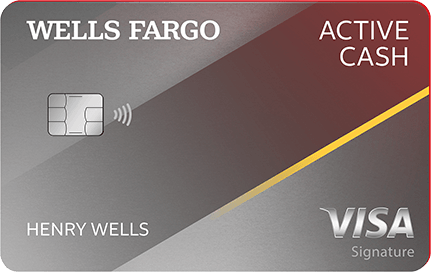
Wells Fargo Active Cash®
Another simple 2% flat-rate option with a strong intro offer lane
- Rewards
- 2% cash rewards on purchases with a competitive intro offer under current Wells Fargo terms.
- Annual fee
- $0
Pros
- Competitive $0-fee flat cash back without category homework.
- Useful if you want a non-Chase, non-Citi backup card.
- Easy to explain in a two-card wallet.
Cons
- Does not beat Double Cash effective rate on all purchases for every user.
- Fewer bonus categories than Freedom Unlimited.
- Issuer product rules may limit stacking.
Issuer terms are authoritative. Card links may point to issuer pages or approved partners when available.
Chase Freedom Unlimited and Citi Double Cash are two of the most compared no-annual-fee cards because both anchor millions of wallets — but they solve different jobs. Freedom Unlimited is a category-enhanced card with a 1.5% floor; Double Cash is a flat 2% card with a pay-to-earn structure. See per-card reward rules on the Freedom Unlimited card page and Citi Double Cash card page.
Is Chase Freedom Unlimited or Citi Double Cash better?
Chase Freedom Unlimited is better when bonus categories matter — 3% on dining and drugstores and 5% on Chase Travel under current Chase terms — and you want Visa acceptance plus purchase protections. Citi Double Cash is better when you want a simple 2% earn path on every purchase and you pay statement balances in full so the 1% + 1% structure equals true 2% Cash Back.
Madeen’s catalog includes hundreds of fixed-rate and category-bonus cards; these two head-to-heads dominate search because both target the “default swipe” role in a wallet.
How do the earn rates compare?
| Purchase type | Chase Freedom Unlimited | Citi Double Cash |
|---|---|---|
| Dining | 3% (current Chase terms) | 2% if paid in full |
| Drugstores | 3% | 2% if paid in full |
| General spend | 1.5% | 2% if paid in full |
| Chase Travel portal | 5% | 2% if paid in full |
Winner by segment: Freedom Unlimited wins dining- and pharmacy-heavy wallets. Double Cash wins when most spend falls outside bonus categories or you do not want to track categories at all.
For another flat-rate benchmark, compare Citi Double Cash vs Wells Fargo Active Cash.
Who should choose Chase Freedom Unlimited?
Choose Freedom Unlimited when:
- Dining and drugstores are a meaningful share of spend (see the drugstore guide and dining guide).
- You shop at Costco or need Visa acceptance.
- You value Purchase protection and extended warranty on eligible purchases (verify Chase benefit guides).
- You may later add Chase Sapphire Preferred to transfer Ultimate Rewards points to travel partners.
Freedom Unlimited is weaker as a pure catch-all when most spend is uncategorized — 1.5% trails Double Cash’s 2% on those purchases.
Who should choose Citi Double Cash?
Choose Double Cash when:
- You pay in full every month so the split 1% + 1% structure equals 2%.
- You want one card for everything without thinking about merchant category.
- You may add Citi Strata Premier later for ThankYou point transfers.
- You need a longer balance-transfer intro APR (verify current Citi terms).
Double Cash is weaker at Costco (Mastercard) and when you carry balances — interest erodes the earn math quickly.
How do protections and networks differ?
Chase Freedom Unlimited includes consumer protections such as Purchase protection and extended warranty on eligible purchases under current Chase materials. It runs on the Visa network.
Citi Double Cash is lighter on bundled protections in public marketing materials and uses Mastercard. Network choice matters for warehouse clubs and some regional merchants.
How do you use these cards with Madeen?
Madeen does not pick which card to apply for. After both cards are in your wallet, it shows which card wins the category at checkout — for example, sending a restaurant bill to Freedom Unlimited’s 3% rate instead of defaulting to Double Cash’s effective 2%.
Flat-rate and category cards work best together: one earns the bonus, the other catches everything else. See which credit card for everyday purchases for the fallback framework.
Related encyclopedia topics
Frequently asked questions
Is Chase Freedom Unlimited or Citi Double Cash better?
Freedom Unlimited is better when you spend enough in dining and drugstores to beat a flat 2% baseline and you value Visa acceptance and purchase protections. Citi Double Cash is better when you want a simple 2% structure on everything and reliably pay statement balances in full.
Which card earns more on everyday spending?
Double Cash earns 2% on all purchases when paid in full. Freedom Unlimited earns 1.5% on general purchases but 3% on dining and drugstores — so mixed spend often favors Freedom Unlimited if those categories are meaningful.
Which card works at Costco?
Chase Freedom Unlimited is a Visa and works at Costco warehouses. Citi Double Cash is a Mastercard and is not accepted for Costco warehouse purchases.
Can you hold both cards?
Yes, but one should be your default fallback and the other should win specific categories. Madeen helps pick the category winner among cards you already carry at checkout.
Which card is better for balance transfers?
Citi Double Cash typically offers a longer intro APR window on balance transfers under current issuer terms. Freedom Unlimited often includes intro APR on purchases as well — verify live terms on each issuer site.
Sources and notes
- Issuer terms Chase Freedom Unlimited - Chase Accessed 2026-06-03.
- Issuer terms Citi Double Cash Card - Citi Accessed 2026-06-03.
- Madeen analysis Madeen U.S. consumer card catalog analysis - Madeen Accessed 2026-06-03.
- Methodology Citi Double Cash vs Wells Fargo Active Cash - Madeen Accessed 2026-06-03.