Is Capital One SavorOne or Amex Blue Cash Everyday Better in June 2026?
Capital One SavorOne vs Amex Blue Cash Everyday compared on dining, groceries, streaming, online retail caps, annual fees, Amex acceptance, and who should pick each no-annual-fee card.
Madeen compares public issuer terms with its card-rule catalog. Issuer pages control rewards, fees, benefits, exclusions, and eligibility; Madeen does not issue cards, make approval decisions, or provide financial advice.
Savor Rewards vs Blue Cash Everyday vs Blue Cash Preferred at a glance

Capital One SavorOne Cash Rewards Credit Card
Unlimited 3% on dining, entertainment, and popular streaming without category caps
- Rewards
- 3% cash back on dining, entertainment, and popular streaming services; 3% at grocery stores (excluding superstores); 1% on other purchases under current Capital One terms; $0 annual fee.
- Annual fee
- $0
Pros
- Uncapped 3% on dining and streaming — no $6,000 grocery-style buckets.
- Mastercard network — broad U.S. acceptance.
- Simple structure for food-and-fun spenders.
Cons
- Grocery earn excludes superstores like Walmart and Target — verify merchant list.
- 1% base rate on general spend.
- No elevated online retail category like Blue Cash Everyday.
Issuer terms are authoritative. Card links may point to issuer pages or approved partners when available.
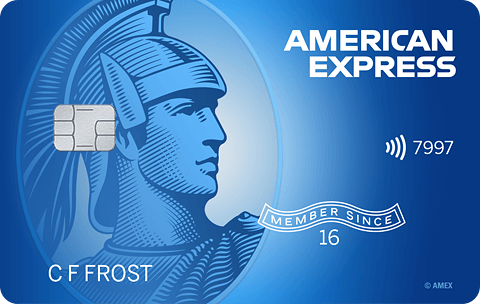
Blue Cash Everyday® Card from American Express
Capped 3% at U.S. supermarkets, gas stations, and online retail with no annual fee
- Rewards
- 3% cash back at U.S. supermarkets, U.S. gas stations, and U.S. online retail purchases — each on up to $6,000 per calendar year, then 1% — under current Amex terms; $0 annual fee.
- Annual fee
- $0
Pros
- 3% online retail bucket many dining cards skip.
- Useful if supermarkets and gas are core spend within caps.
- Pairs with Blue Cash Preferred upgrade path for heavy grocery families.
Cons
- Three separate $6,000 annual caps to track.
- Amex acceptance is narrower than Mastercard at some merchants.
- No permanent 3% dining tier — dining is 1% unless another card covers it.
Issuer terms are authoritative. Card links may point to issuer pages or approved partners when available.
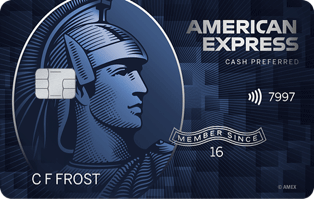
- Rewards
- 6% cash back at U.S. supermarkets and select streaming on qualifying spend under current Amex terms.
- Annual fee
- $95
Pros
- 6% at U.S. supermarkets on qualifying spend up to annual caps.
- Strong streaming category for bundled subscriptions.
- Worth modeling if groceries dominate your budget.
Cons
- $95 annual fee — only worth it with real supermarket volume.
- Caps revert to base earn after annual limits.
- Weaker dining lane than SavorOne for restaurant-heavy spend.
Issuer terms are authoritative. Card links may point to issuer pages or approved partners when available.
Capital One SavorOne wins for uncapped 3% Dining, entertainment, and Streaming. Amex Blue Cash Everyday wins when supermarket, gas, and online retail spend fits inside its three $6,000 annual caps — not for restaurant-heavy wallets.
Both are $0 Annual fee Cash Back cards, but they optimize opposite sides of the food-and-shopping budget. For Amex-only comparisons, see Blue Cash Preferred vs Blue Cash Everyday.
How do these cards compare overall?
Is Capital One SavorOne or Amex Blue Cash Everyday Better? adds a third lane so you can pick by segment — not one universal winner.
| Segment | Savor Rewards | Blue Cash Everyday | Blue Cash Preferred |
|---|---|---|---|
| Annual fee | $0 | $0 | $95 |
| Top category | Dining | Grocery | Grocery |
| Madeen effective peak | 3% | 3% | 6% |
See individual card pages for issuer terms and Madeen effective-rate tables.
Is Capital One SavorOne or Blue Cash Everyday better?
SavorOne is the better pick when restaurants, Streaming, and entertainment dominate your budget and you do not want to track Amex cap calendars. Blue Cash Everyday is better when you spend heavily at eligible U.S. supermarkets, U.S. gas stations, and U.S. online retail within each card’s $6,000-per-year elevated tiers.
Pick by merchant mix, not by which marketing page shouts 3% loudest.
How do SavorOne and Blue Cash Everyday compare?
| Feature | Capital One SavorOne | Amex Blue Cash Everyday |
|---|---|---|
| Annual fee | $0 | $0 |
| Dining | 3% unlimited (issuer terms) | 1% base |
| Groceries | 3% at Grocery stores (superstore exclusions) | 3% at U.S. supermarkets up to $6k/year |
| Gas | 1% base | 3% at U.S. gas stations up to $6k/year |
| Online retail | 1% base | 3% on U.S. online retail up to $6k/year |
| Streaming / entertainment | 3% on eligible Streaming & entertainment | 1% base |
| Network | Mastercard | American Express |
| Best for | Dining & fun spend | Capped Grocery/gas/online buckets |
Verify exclusions and caps on issuer pages before applying.
When does SavorOne beat Blue Cash Everyday?
Choose SavorOne when:
- Dining out and delivery are monthly staples — uncapped 3% beats Everyday’s 1% on restaurants.
- You pay for multiple Streaming services that code in Capital One’s entertainment bucket.
- You need Mastercard acceptance at merchants that do not take Amex.
Link to which credit card for dining for broader category picks.
When does Blue Cash Everyday beat SavorOne?
Choose Blue Cash Everyday when:
- Supermarket spend is high at eligible U.S. supermarkets within the $6,000 cap.
- You buy a lot online and can use the 3% U.S. online retail bucket.
- Gas station spend fills the third 3% tier more than Dining would on SavorOne.
If groceries exceed ~$6,000/year at supermarkets, compare upgrading to Blue Cash Preferred before assuming Everyday is enough.
Caps, coding, and real wallet math
Blue Cash Everyday’s three $6,000 caps mean tracking matters — see category caps. SavorOne’s Grocery 3% may exclude superstores; a Target or Walmart Grocery run might code differently than a regional chain.
Madeen compares your cards for the category you select — helpful when one cart blends Dining, groceries, and retail.
Payment discipline reminder
Category bonuses only win when you pay statement balances and keep your grace period. Carrying a balance turns 3% Cash Back into a net loss against purchase APR — see minimum payment pitfalls.
How Madeen helps
Add SavorOne, Blue Cash Everyday, and any other cards you carry. At checkout, Madeen shows which card earns more for Dining, groceries, or general spend — privately, without linking your bank.
Sources and notes: Reward categories and exclusions change; verify issuer terms. Madeen catalog snapshot 2026-06-01.
Related encyclopedia topics
Frequently asked questions
Is Capital One SavorOne or Amex Blue Cash Everyday better?
SavorOne is better when dining, entertainment, and streaming are your top categories and you want uncapped 3% without tracking $6,000 buckets. Blue Cash Everyday is better when U.S. supermarket, gas, and online retail spend fit cleanly within its three separate annual caps.
Which card is better for dining?
SavorOne earns unlimited 3% on dining under current Capital One terms. Blue Cash Everyday does not include a standing dining multiplier — dining earns 1% unless another card in your wallet covers restaurants.
Which card is better for groceries?
Blue Cash Everyday earns 3% at eligible U.S. supermarkets on up to $6,000 per year, then 1%. SavorOne earns 3% at grocery stores excluding superstores — if you shop Walmart or Target for groceries, verify coding and compare effective rates.
Should I get SavorOne or upgrade to Blue Cash Preferred?
If supermarket spend exceeds what 3% uncapped dining value provides, compare SavorOne against Blue Cash Preferred (6% supermarkets with a fee). See our Amex Blue Cash Preferred vs Everyday head-to-head.
Can Madeen pick between SavorOne and Blue Cash Everyday?
Yes. Madeen compares category multipliers across cards you carry at checkout — useful when dining beats supermarket coding on a mixed cart.
Sources and notes
- Issuer terms SavorOne Rewards from Capital One - Capital One Accessed 2026-06-09.
- Issuer terms Blue Cash Everyday Card - American Express Accessed 2026-06-09.
- Madeen analysis Madeen grocery and dining category rules - Madeen Accessed 2026-06-09.