Is Amex Blue Cash Preferred or Blue Cash Everyday Better in June 2026?
Blue Cash Preferred vs Blue Cash Everyday compared on supermarket, gas, streaming, online retail caps, annual fees, and who should pick each Amex cash back card in 2026.
Madeen compares public issuer terms with its card-rule catalog. Issuer pages control rewards, fees, benefits, exclusions, and eligibility; Madeen does not issue cards, make approval decisions, or provide financial advice.
Blue Cash Preferred vs Blue Cash Everyday vs Savor Rewards at a glance
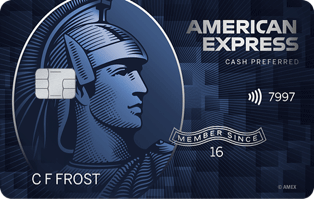
Blue Cash Preferred® Card from American Express
Heavy eligible U.S. supermarket and streaming spend
- Rewards
- 6% cash back at U.S. supermarkets on up to $6,000 per calendar year, then 1%; 6% on select U.S. streaming; 3% on transit and U.S. gas stations under current Amex terms.
- Annual fee
- $95
Pros
- Highest supermarket cash back rate in this pairing.
- Strong streaming category for eligible subscriptions.
- Simple cash back — no points transfer math.
Cons
- $95 annual fee needs enough bonus-category spend to beat Everyday.
- Supermarket rewards cap at $6,000 per calendar year.
- Amex acceptance is narrower than Visa or Mastercard at some merchants.
Issuer terms are authoritative. Card links may point to issuer pages or approved partners when available.
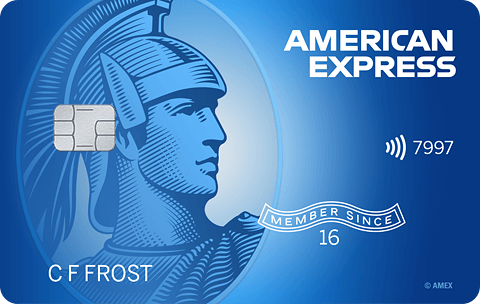
Blue Cash Everyday® Card from American Express
Moderate grocery, gas, and online retail spend with no annual fee
- Rewards
- 3% cash back at U.S. supermarkets, U.S. gas stations, and U.S. online retail purchases — each on up to $6,000 per calendar year, then 1% — under current Amex terms.
- Annual fee
- $0
Pros
- No annual fee.
- Useful 3% online retail category many flat-rate cards skip.
- Lower break-even if your supermarket spend is modest.
Cons
- Half the supermarket rate of Preferred within the same cap.
- Three separate $6,000 annual caps to track.
- Same Amex merchant acceptance limits as Preferred.
Issuer terms are authoritative. Card links may point to issuer pages or approved partners when available.

- Rewards
- 3% cash back on dining, entertainment, and select streaming under current Capital One terms.
- Annual fee
- $0
Pros
- $0 annual fee with strong dining and entertainment multipliers.
- Simple upgrade path from Everyday for food-heavy spend.
- No Amex supermarket cap tracking required.
Cons
- Weaker grocery lane than Preferred for heavy supermarket spend.
- Entertainment category definitions vary by merchant coding.
- Does not replace Preferred if 6% groceries drive your math.
Issuer terms are authoritative. Card links may point to issuer pages or approved partners when available.
American Express offers two sibling Cash Back cards with similar names but different math. Blue Cash Preferred charges a fee for 6% supermarket rewards; Blue Cash Everyday stays fee-free with 3% buckets for supermarkets, Gas, and online retail. This comparison picks a winner by reader segment, not universally.
How do these cards compare overall?
Is Amex Blue Cash Preferred or Blue Cash Everyday Better? adds a third lane so you can pick by segment — not one universal winner.
| Segment | Blue Cash Preferred | Blue Cash Everyday | Savor Rewards |
|---|---|---|---|
| Annual fee | $95 | $0 | $0 |
| Top category | Grocery | Grocery | Dining |
| Madeen effective peak | 6% | 3% | 3% |
See individual card pages for issuer terms and Madeen effective-rate tables.
Is Blue Cash Preferred or Blue Cash Everyday better?
Blue Cash Preferred wins for households with heavy eligible U.S. supermarket and Streaming spend that clears its $95 Annual fee. Blue Cash Everyday wins for moderate spenders who want capped 3% categories — including online retail — without paying a fee. Neither is universally “best”; the right pick depends on your annual supermarket total and whether you already carry a stronger Grocery card.
Madeen’s catalog includes 999 cards with published Gas-station or Grocery category rules in the current snapshot (Card Rules). These two Amex cards are among the most searched head-to-head pairs in U.S. Cash Back.
How do Blue Cash Preferred and Everyday compare?
| Feature | Blue Cash Preferred | Blue Cash Everyday |
|---|---|---|
| Annual fee | $95 | $0 |
| U.S. supermarkets | 6% up to $6,000/year, then 1% | 3% up to $6,000/year, then 1% |
| U.S. Gas stations | 3% (see issuer terms) | 3% up to $6,000/year, then 1% |
| Streaming | 6% on select U.S. Streaming | Not a headline category |
| Online retail | Base 1% | 3% up to $6,000/year, then 1% |
| Best for | High supermarket + Streaming spend | Moderate spend, fee-averse households |
Verify caps, merchant categories, and exclusions on Amex retail rewards information before you optimize spend.
When does Preferred’s fee pay for itself?
The fee question is mostly a supermarket break-even:
- Extra supermarket earn on Preferred vs Everyday = 3 percentage points on eligible spend (6% minus 3%).
- To earn $95 more from that spread alone: $95 ÷ 0.03 ≈ $3,167 in eligible U.S. supermarket purchases per year.
- Below that level, Everyday’s no-fee 3% buckets often win on net value unless Streaming or transit tips the scale.
Add Streaming: Preferred’s 6% on select Streaming can widen the gap if those subscriptions are large and eligible.
Who should choose Blue Cash Everyday?
Everyday fits when you:
- Spend modestly at eligible supermarkets
- Want 3% online retail without a fee
- Prefer not to track whether a $95 fee clears each year
- Already carry another strong Grocery card and want Amex for secondary categories
See the broader groceries guide for cards beyond this Amex pair.
Who should choose Blue Cash Preferred?
Preferred fits when you:
- Routinely hit high eligible supermarket totals
- Value 6% Streaming on eligible services
- Will use 3% transit categories Amex publishes
- Accept Amex acceptance tradeoffs for higher category rates
Pair with Madeen at checkout when you also carry Citi Custom Cash, Capital One Savor, or warehouse cards — the winner changes by merchant coding.
Caps and merchant coding caveats
Both cards cap elevated supermarket earn at $6,000 per calendar year under current terms. Walmart, Target, and Costco often do not code as U.S. supermarkets on Amex — those purchases may earn base rate. Read category caps and issuer exclusions before you assume 6% or 3% on every cart.
Using Madeen with either Blue Cash card
Once either card is in your wallet, the practical question is whether it beats your other cards for this Grocery, Gas, or online purchase. Madeen runs category rules on-device from your selected cards — no bank login — and shows the strongest owned-card pick. That matters most when Blue Cash is one of several options at checkout.
Related encyclopedia topics
Frequently asked questions
Is Blue Cash Preferred or Blue Cash Everyday better?
Blue Cash Preferred is better when you spend enough at eligible U.S. supermarkets and streaming services to offset its $95 annual fee — often around $3,000+ in supermarket spend per year depending on your other cards. Blue Cash Everyday is better for moderate spenders who want 3% categories without a fee.
When does Blue Cash Preferred beat Blue Cash Everyday?
Preferred usually wins when extra 3% supermarket rewards (6% vs 3%) on your actual spend exceed $95 per year after caps. Example: $4,000 in eligible supermarket spend earns about $120 more at 6% than 3% on that volume — before counting streaming or gas differences.
Do both cards cap supermarket rewards?
Yes. Both earn elevated supermarket rates on up to $6,000 in eligible U.S. supermarket purchases per calendar year, then 1% on further supermarket spend under current Amex terms. Verify exclusions on Amex's retail rewards page.
Which card is better for gas?
Both earn 3% at U.S. gas stations under current terms, but Everyday caps gas at $6,000 per year while Preferred's gas earn follows its published category rules without the same cap structure as Everyday's 3% buckets. Check issuer pages before relying on gas as the tiebreaker.
Can Madeen pick between my Amex cards at checkout?
Yes. Add the cards you carry, and Madeen compares category multipliers locally — useful when Blue Cash is not the only grocery or gas card in your wallet.
Sources and notes
- Madeen analysis Madeen card catalog and reward-rule analysis - Madeen Accessed 2026-06-06.
- Issuer terms Blue Cash Preferred Card from American Express - American Express Accessed 2026-06-06.
- Issuer terms Blue Cash Everyday Card from American Express - American Express Accessed 2026-06-06.
- Issuer terms American Express Retail Rewards Information - American Express Accessed 2026-06-06.
- Methodology What is the best credit card for groceries? - Madeen Accessed 2026-06-06.