Which Credit Card Should You Use for Travel and Summer Trips in July 2026?
Best travel credit card for summer trips in July 2026: match airfare, hotels, transit, and portals to the cards in your wallet — foreign transaction fees, $95 mid-tier picks, and no-annual-fee fallbacks.
Madeen compares public issuer terms with its card-rule catalog. Issuer pages control rewards, fees, benefits, exclusions, and eligibility; Madeen does not issue cards, make approval decisions, or provide financial advice.
What are the best travel credit cards right now?
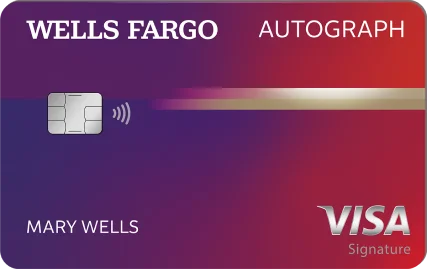
- Rewards
- Unlimited 3X points on travel, transit, restaurants, gas, EV charging, popular streaming services, and phone plans.
- Annual fee
- $0
Pros
- No annual fee and no foreign transaction fee under current issuer terms.
- Broad travel and transit categories are easier to use than a portal-only card.
- Also earns strong rewards on dining, gas, EV charging, streaming, and phone plans.
Cons
- Lower ceiling than premium travel cards for hotels and airfare.
- Travel protections are more limited than many fee cards.
- Point value depends on redemption choice.
Issuer terms are authoritative. Card links may point to issuer pages or approved partners when available.

Wells Fargo Autograph Journey Card
Best mid-fee pick for direct hotel and airline rewards
- Rewards
- 5X points on hotels, 4X on airlines, 3X on restaurants and other travel, plus 1X on other purchases.
- Annual fee
- $95
Pros
- Strong direct hotel and airline earning without requiring a travel portal.
- $50 annual airline statement credit can offset part of the fee when used under issuer terms.
- Includes no foreign transaction fee and travel protections listed by Wells Fargo.
Cons
- Annual fee requires enough travel use to matter.
- Highest rates depend on merchant category coding for hotels and airlines.
- Less useful if most of your travel spend is non-bonus everyday purchases.
Issuer terms are authoritative. Card links may point to issuer pages or approved partners when available.

Chase Sapphire Preferred Credit Card
Best for travelers who want flexible Chase Ultimate Rewards points
- Rewards
- 2X points on travel, 3X on dining and select categories, 5X on travel purchased through Chase Travel under current issuer terms.
- Annual fee
- $95
Pros
- Flexible points can fit travel portal, transfer partner, or cash-equivalent redemption strategies.
- Strong companion card if you also spend heavily on dining.
- No foreign transaction fee under current issuer terms.
Cons
- The best value depends on how you redeem Ultimate Rewards points.
- Annual fee means it should solve more than one occasional trip.
- Portal and transfer strategies add complexity compared with simple cash back.
Issuer terms are authoritative. Card links may point to issuer pages or approved partners when available.
Travel rewards are harder to choose than grocery or gas rewards because the category is not one thing. An airline ticket, hotel stay, rideshare, toll road, cruise, vacation rental, and Travel-portal booking can all be treated differently by card terms.
The right card is the one that wins for the purchase in front of you after fees, redemption value, foreign transaction fees, protections, and booking restrictions.
Which credit card should you use for Travel?
Use the Travel card in your wallet that gives the highest net value for the specific Travel purchase, not the card with the most impressive headline. For a hotel, that may be a direct hotel bonus card. For transit, it may be a broad no-fee Travel card. For a portal booking, it may be a flexible points card. For trips abroad, a no-foreign-transaction-fee card can matter more than a small multiplier difference.
That is the practical answer because “Travel” is a bundle of merchant categories. A card can be excellent for hotels and ordinary for train tickets. Another can be great for general Travel and weak for non-bonus purchases. Before you swipe, ask: what kind of Travel purchase is this, what does the issuer count it as, and what will the rewards actually be worth to me?
What are the best Travel credit cards right now?
The best Travel card depends on whether you want simplicity, direct Travel rewards, or flexible points. These three cards show useful decision paths rather than one universal winner:
- Wells Fargo Autograph Card: best if you want broad Travel, transit, gas, dining, and phone-plan rewards with no annual fee.
- Wells Fargo Autograph Journey Card: best if you have enough hotel and airline spend to justify a $95 annual fee and want strong direct Travel categories.
- Chase Sapphire Preferred Credit Card: best if you value flexible points and can use Chase Ultimate Rewards well.
Issuer terms are authoritative, so verify the current reward categories, fees, benefits, and application terms before applying. Rewards also depend on merchant category coding, purchase exclusions, and redemption choices.
What does Madeen’s catalog show about Travel rewards?
Madeen’s current in-app fallback catalog includes 282 cards with at least one Travel reward rule and 306 Travel reward rules overall. Travel is smaller than gas, dining, and grocery in the catalog, but it is more complicated: the same trip can include airfare, hotels, rental cars, transit, tolls, cruises, and Travel agencies.
Madeen labels those counts as catalog analysis, not issuer-confirmed terms. The public Madeen editorial methodology explains the review process, and the Madeen Card Rules Index explains how reward rules, category coverage, annual fees, and reward currencies are modeled.
Only 43 Travel-earning cards in the catalog reach at least 3x or 3% on a Travel rule, 18 reach at least 4x, and 12 reach at least 5x. That makes the top rates real but not universal. Many cards are still 1x or 2x for broad Travel, especially outside issuer portals or narrow hotel and airline categories.
Fees also vary widely. Among catalog cards with Travel reward rules, 231 have a $0 annual fee, 25 have a fee below $100, 7 fall from $100 to $299, and 19 charge $300 or more. That spread is why a Travel card decision should compare the fee card against a real no-fee alternative, not against earning nothing.
Foreign transaction fees are another filter. In the catalog, 68 Travel-earning cards have no foreign transaction fee in the structured fee data. If you are traveling internationally, a card with a foreign transaction fee can give back rewards with one hand and take them away with the other.
How should you choose between Travel cards you already carry?
Start with the purchase type. For a single trip, you might make five different decisions:
- Airfare: Look for airline, Travel, or portal bonuses, then consider trip delay, cancellation, baggage, and purchase protections.
- Hotels: Check whether the card rewards direct hotel bookings, a Travel portal, or a specific hotel brand.
- Rental cars: Compare reward rate and rental collision damage waiver terms.
- Transit and rideshare: Do not assume these count as “Travel” unless the issuer’s terms include them.
- International purchases: Prefer a card with no foreign transaction fee, even if another card has a slightly higher domestic multiplier.
Then compare the value of the rewards. A 3X points card is not automatically better than 3% cash back. It is better only if the points are worth enough to you after redemption limits, annual fees, and booking tradeoffs. If you want the simple framework, read Madeen’s guide to comparing cash back, points, and miles.
For trip-specific decisions, use the narrower guides for flights, hotel bookings, rental cars, and cruises when one part of the trip has its own reward or protection rules.
Is a Travel portal better than booking directly?
A Travel portal is better only when the extra rewards and price are worth the tradeoffs. Some cards advertise their highest Travel rates for portal bookings, but direct booking may be better when you care about hotel loyalty status, easier changes, elite benefits, direct customer support, or a lower public price.
Use a portal when the math is clearly better and the trip is simple. Be more cautious when booking complicated itineraries, refundable hotel stays, group Travel, or anything where you may need direct help from the airline, hotel, or rental agency.
This is why Travel rewards are a category-choice problem rather than a brand-loyalty problem. The best card for a direct hotel booking might not be the best card for a Chase Travel booking, a Wells Fargo Rewards redemption, or a cash fare booked directly with an airline.
When is a no-annual-fee Travel card enough?
A no-annual-fee Travel card is enough when you want a broad, low-maintenance card and do not reliably use premium Travel credits or lounge benefits. The Wells Fargo Autograph Card is a good example: Wells Fargo lists unlimited 3X points on Travel, transit, restaurants, gas, EV charging, popular streaming services, and phone plans, with no annual fee and no foreign transaction fee under current terms.
That kind of card can be the right answer for occasional travelers because it does not need a break-even calculation. If you Travel a few times per year, commute, use rideshare, eat out, and want one card that covers many categories, simplicity can beat a higher-fee card with benefits you will forget to use.
The tradeoff is ceiling. Premium and mid-fee cards can offer higher hotel, airline, portal, protection, or transfer value. But those benefits have to match your real behavior. A card you understand and use correctly is often worth more than a richer card you rarely optimize.
When is a $95 Travel card worth it?
A $95 Travel card is worth it when its extra rewards, credits, protections, or point flexibility beat a no-fee fallback by more than the fee. The Wells Fargo Autograph Journey Card is a clean example because Wells Fargo lists 5X points on hotels, 4X on airlines, 3X on restaurants and other Travel, a $50 annual airline statement credit with a qualifying airline purchase, no foreign transaction fee, and a $95 annual fee.
If you often book hotels and airfare directly, that kind of earning structure can pull ahead. If your Travel spend is mostly occasional rideshare, tolls, and parking, the no-fee Autograph Card may be easier to justify.
Use the same annual-fee math from Madeen’s annual fee guide: compare the fee card against the no-fee card you would actually use, count only credits you reliably use, and ignore imaginary savings.
When do flexible points matter more than the Travel multiplier?
Flexible points matter when you will redeem them through a method that beats simple cash back. Chase Sapphire Preferred is a common example because it earns flexible Ultimate Rewards points, has a $95 annual fee, and includes Travel and dining categories under Chase’s current terms.
The card can make sense when you already want the Chase ecosystem, will redeem points through useful Travel channels, and also spend in companion categories like dining. It is weaker if you only want one simple trip card and will redeem points at low value.
The right question is not “Are Chase points better?” It is “Will I redeem these points in a way that beats the cash value I would have earned from a simpler card?” If the answer is no, the simpler card may be better.
What Travel card mistakes should you avoid?
The biggest mistake is treating Travel as one category. Before you choose a card, check whether the purchase is airfare, hotel, rental car, cruise, Travel agency, transit, rideshare, tolls, parking, or portal Travel. Issuer terms decide what qualifies.
Also avoid these traps:
- Ignoring foreign transaction fees. A 3% fee can wipe out a 3% reward.
- Overvaluing credits. A Travel credit is worth close to face value only when you would have made the qualifying purchase anyway.
- Assuming portal prices are always equal. Compare the final price, cancellation terms, and loyalty implications.
- Forgetting protections. For expensive trips, Travel protections can matter even when another card earns slightly more.
- Using one Travel card everywhere. A Travel card may not be your best card for dining, groceries, gas, or everyday purchases.
How can Madeen help choose a Travel card at checkout?
Madeen is built for the moment when you already have several cards and need a quick answer. You select the cards you carry, choose a category such as Travel, and Madeen compares the reward rules locally on your iPhone.
That keeps the workflow lightweight: no bank login, no card numbers, no transaction history, and no account setup. For a trip, Madeen can help you remember which card wins for Travel, then you can still check issuer terms for edge cases such as portals, foreign transactions, protections, and booking exclusions.
For seasonal vacation planning, compare the July 2026 travel card picks, dedicated summer travel credit card guide, Hilton Honors vs Marriott Bonvoy when you stay with one chain, flights guide, rental cars, Bilt vs Chase Sapphire Preferred when rent and Travel points overlap, Chase Sapphire Preferred vs Capital One Venture for the classic $95 Travel fork, Wells Fargo Autograph vs Chase Sapphire Preferred for a no-fee vs $95 fork, and sports tickets hub when games are part of the trip. For road-trip stocking stops, see gas rewards, Costco gas, groceries for rest-stop food, and utility bills when campground or vacation-home power is on the itinerary. When points versus cash back changes which card you carry on a trip, read compare cash back, points, and miles. If you are opening a Travel card soon, confirm your credit score is ready and read when you are ready for a rewards card. For privacy details, read the Madeen Privacy Policy or the product note on why Madeen does not ask for your bank login.
Related encyclopedia topics
Frequently asked questions
Which credit card should I use for travel?
Use the travel card in your wallet with the best net return for the specific purchase: airfare, hotels, transit, rental cars, travel portals, or everyday non-bonus spend. Then check annual fees, foreign transaction fees, protections, and redemption value.
Is a no-annual-fee travel card enough?
A no-annual-fee travel card can be enough if you want simple rewards, do not need premium lounge or insurance benefits, and would not reliably use credits from a fee card.
Should you book through a credit card travel portal?
Use a travel portal only when the higher earning rate, price, cancellation terms, and loyalty tradeoffs are better than booking directly. Portal rewards can be strong, but direct booking may be simpler for hotel status, changes, and support.
Do foreign transaction fees matter for travel cards?
Yes. A foreign transaction fee can erase the value of travel rewards on international purchases. For trips abroad, compare cards that have no foreign transaction fee.
Can Madeen pick a travel card without bank login?
Yes. You select the cards you carry, then Madeen compares their travel reward rules locally without bank login, card numbers, or transaction history.
What is the best credit card to use on vacation?
Pick by purchase type, not one card for the whole trip. A no-annual-fee broad travel card like Wells Fargo Autograph fits mixed road trips; Chase Sapphire Preferred or Autograph Journey fit when you want flexible points or direct hotel and airline bonuses; always prefer a no-foreign-transaction-fee card abroad.
What is the best travel credit card with no annual fee?
Wells Fargo Autograph is a strong no-fee option with 3X on travel, transit, dining, gas, and phone plans under current issuer terms. It beats carrying a premium card you will not use enough to offset the fee — compare your real trip mix before applying.
Do I need a travel credit card with no foreign transaction fee?
Yes for international trips. A 3% foreign transaction fee can wipe out a 3% travel reward rate. Among Madeen catalog cards with travel rules, only a minority have no foreign transaction fee in structured fee data — verify issuer terms before you leave.
What is the #1 travel credit card?
There is no universal #1 — the best travel card depends on your trip mix. A no-fee broad travel card like Wells Fargo Autograph fits mixed road trips; Chase Sapphire Preferred or Autograph Journey fit when you want flexible points or direct hotel and airline bonuses. Scope the winner to airfare, hotels, transit, or abroad spend before applying.
Which is the best credit card for travel benefits?
Pick by the benefit you will actually use: no foreign transaction fee abroad, rental collision coverage, trip delay insurance, lounge access, or airline credits. A $95 card is worth it only when its protections and credits beat a no-fee fallback on your real itinerary — not when you only travel once a year.
Which credit card should I use for international travel?
Prefer a card with no foreign transaction fee even if another card has a slightly higher domestic travel multiplier. Among Madeen catalog cards with travel rules, only 68 have no foreign transaction fee in structured fee data — verify issuer terms before departure. Use your highest direct airline or hotel bonus card for bookings and a no-FTF card for on-the-ground purchases abroad.
Is it smart to put a vacation on a credit card?
It can be when you pay the balance in full before interest accrues and rewards or trip protections outweigh fees. Financing a vacation at purchase APR usually wipes out card rewards — charge planned spend you can repay, and split purchases by category rather than forcing one travel card for the whole trip.
Sources and notes
- Madeen analysis Madeen card catalog and travel reward-rule analysis - Madeen Accessed 2026-05-19.
- Issuer terms Wells Fargo Autograph Visa Credit Card - Wells Fargo Accessed 2026-05-19.
- Issuer terms Wells Fargo Autograph Journey Visa Credit Card - Wells Fargo Accessed 2026-05-19.
- Issuer terms Chase Sapphire Preferred Credit Card - Chase Accessed 2026-05-19.
- Legal/disclosure Madeen Privacy Policy - Madeen Accessed 2026-05-19.