Which Credit Card Should You Use for Flights in June 2026?
Best credit card for flights in July 2026: direct-airline rewards, travel portals, checked-bag perks, annual fees, and flexible points compared.
Madeen compares public issuer terms with its card-rule catalog. Issuer pages control rewards, fees, benefits, exclusions, and eligibility; Madeen does not issue cards, make approval decisions, or provide financial advice.
What are the best credit cards for flights right now?
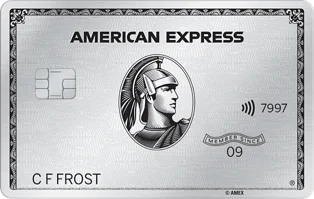
The Platinum Card from American Express
Best premium airfare card when you book flights directly or through American Express Travel and use the travel benefits
- Rewards
- Current American Express materials list 5X Membership Rewards points on flights booked directly with airlines or through American Express Travel, on up to $500,000 in those purchases per calendar year, and a $895 annual fee.
- Annual fee
- $895
Pros
- Highest broad airfare earning rate in this shortlist when the booking qualifies.
- Useful for frequent flyers who value airport lounge access and premium travel credits.
- Works across airlines instead of locking the flight reward to one carrier.
Cons
- The $895 annual fee is too high if the credits and benefits do not match your normal travel.
- The 5X flight rate has a calendar-year purchase cap and booking-channel rules.
- It does not replace an airline card's checked-bag waiver for a specific carrier.
Issuer terms are authoritative. Card links may point to issuer pages or approved partners when available.

Chase Sapphire Reserve
Best premium Chase option for direct flight rewards and broader travel benefits
- Rewards
- Current Chase materials list 4x points on flights booked direct, premium lounge benefits, and a $795 annual fee.
- Annual fee
- $795
Pros
- Strong direct-flight earning rate without requiring a single airline.
- Pairs airfare rewards with premium travel benefits such as Sapphire Lounge and Priority Pass access.
- Can fit travelers already committed to Chase Ultimate Rewards.
Cons
- The $795 annual fee requires meaningful use of the card's credits and benefits.
- Airline-specific perks such as free checked bags still depend on the carrier and card terms.
- Booking through a portal or directly can change service, pricing, and reward tradeoffs.
Issuer terms are authoritative. Card links may point to issuer pages or approved partners when available.
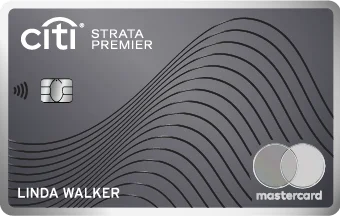
Citi Strata Premier Card
Best moderate-fee flexible travel card for airfare plus everyday bonus categories
- Rewards
- Current Citi materials list 3X ThankYou Points on air travel and other hotel purchases, along with a $95 annual fee.
- Annual fee
- $95
Pros
- Lower annual fee than premium airfare cards.
- Air travel rewards are paired with restaurants, supermarkets, gas, EV charging, and hotel categories.
- Good fit for travelers who want flexible points without paying a premium-card fee.
Cons
- 3X is lower than qualifying premium airfare rates.
- ThankYou Point value depends on how you redeem.
- It does not add airline-specific checked-bag or boarding benefits.
Issuer terms are authoritative. Card links may point to issuer pages or approved partners when available.

- Rewards
- Current Chase materials list 9x total miles on eligible United flights, 3x miles on other eligible United purchases, a free first checked bag benefit, and a $0 intro annual fee for the first year, then $150.
- Annual fee
- $0 intro first year, then $150
Pros
- The checked-bag benefit can beat a higher points rate for United travelers who check bags.
- Adds United-specific perks such as United Club one-time passes and priority boarding under current Chase materials.
- Useful when you reliably book and fly United-operated itineraries.
Cons
- Less flexible than transferable-points cards if you switch airlines.
- Bag benefits have reservation, payment, and eligibility rules.
- Not the best choice for travelers who rarely fly United or never check bags.
Issuer terms are authoritative. Card links may point to issuer pages or approved partners when available.
Buying a flight is not just a generic Travel purchase. The best card can change when you book directly with an airline, use a bank Travel portal, check bags, chase lounge access, or fly one carrier often enough for an airline card to matter.
The short version: use a flexible premium or mid-fee Travel card when airfare rewards and Travel benefits beat the annual fee. Use an airline card when a checked-bag waiver, boarding perk, or carrier-specific benefit saves more than extra points. If the reward difference is small, book the flight in the channel with the better price, service path, and cancellation terms. For full-trip planning, pair this guide with summer travel cards, the July travel spoke, Citi Strata Premier vs Chase Sapphire Preferred, and the sports tickets hub.
Which credit card should you use for flights?
Use the card that gives the best net value for the specific flight booking. Start with the booking channel, then compare reward rate, annual fee, Travel protections, airline perks, and whether you need flexible points or airline-specific miles.
Madeen’s current in-app fallback catalog shows why airfare deserves a separate decision from hotels, rental cars, and broad Travel. Across 3,944 cards, 42 reward rules mention airfare, airline, flight, flights, air Travel, or plane language, representing 35 card records. Twenty-one of those cards reach at least 3X or 3%, but only five no-annual-fee cards reach that threshold.
That pattern matters. The highest flight rewards often sit on premium or specialized cards, while many ordinary Travel cards treat airfare as part of a broader Travel category. The best flight card is usually not the card with the prettiest Travel label; it is the card whose airfare rule, booking channel, and benefits match the trip you are actually taking.
What are the best credit cards for flights right now?
The best flight card depends on whether you want maximum airfare rewards, Chase premium Travel benefits, moderate-fee flexible points, or airline-specific checked-bag savings:
- The Platinum Card from American Express: best premium airfare card when you book directly with airlines or through American Express Travel and can use the card’s broader Travel benefits — see the Amex Platinum card page.
- Chase Sapphire Reserve: best premium Chase option for direct flight rewards and broader Travel benefits — see the Sapphire Reserve card page.
- Citi Strata Premier Card: best moderate-fee flexible Travel card when 3X air Travel plus everyday bonus categories fit your wallet — see the Citi Strata Premier card page.
- United Explorer Card: best United-specific choice when the first checked bag benefit and United perks save more than a flexible-points card would earn.
Issuer terms are authoritative. Before applying for a card or moving a large airfare purchase, verify the current annual fee, reward rate, Travel-portal rules, airline benefit terms, bag-fee eligibility, Travel protections, credits, and whether taxes, fees, seat upgrades, or vacation packages qualify.
Should you book flights directly with the airline or through a card Travel portal?
Book directly when the airline price is competitive and you care about a clean service path. Use a card Travel portal only when the portal’s total value is better after rewards, credits, fare rules, cancellation terms, and customer-service tradeoffs.
Direct airline booking is often simpler for schedule changes, seat assignments, credits, elite status, upgrades, and irregular operations. If the airline changes your itinerary, there is usually one merchant and one customer-service path.
Card Travel portals can still win. A portal may unlock a higher reward rate, use a Travel credit, or surface a fare that fits your trip. The tradeoff is that the portal can become an intermediary when plans change. For expensive or complicated flights, compare the cash price, fare class, change rules, seat rules, and support path before chasing extra points.
When is Amex Platinum best for airfare?
The Platinum Card from American Express is best when you buy enough qualifying airfare and use enough premium benefits to justify the high annual fee. Current American Express materials list 5X Membership Rewards points on flights booked directly with airlines or through American Express Travel, on up to $500,000 in those purchases per calendar year, plus 5X on prepaid hotels booked through American Express Travel.
That is a strong airfare rate because it works across airlines instead of requiring loyalty to one carrier. The card can also make sense for travelers who use airport lounge access, Travel credits, and other premium benefits at close to real value.
The annual-fee test is strict. If you fly only once or twice per year, do not use lounges, and would not naturally use the card’s credits, the 5X flight rate may not overcome the $895 fee. Also remember that the card is not an airline bag-fee card. If your biggest flight cost is checked bags on one airline, a co-branded airline card may beat it.
When is Chase Sapphire Reserve best for flights?
Chase Sapphire Reserve is best when you want premium Chase Travel benefits and a strong direct-flight reward rate without tying the card to a single airline. Current Chase materials list 4x points on flights booked direct and a $795 annual fee.
This can fit travelers who value Chase Ultimate Rewards, airport lounge access, and a premium Travel setup across flights, hotels, rental cars, dining, and other trip costs. It is especially relevant if you already redeem Chase points well and prefer one premium Travel card rather than an airline-specific wallet.
The caution is the same as with any premium card: a high annual fee needs real use. A 4x flight rate is attractive, but it should not be the only reason to pay $795. Compare the card’s credits, lounge access, insurance terms, redemption options, and your existing cards before treating it as the automatic flight winner.
When is Citi Strata Premier best for airline tickets?
Citi Strata Premier is best when you want flexible Travel points at a moderate annual fee. Current Citi materials list 3X ThankYou Points on air Travel and other hotel purchases, plus 3X at restaurants, supermarkets, gas and EV charging stations, and a $95 annual fee.
That makes it a practical airfare card for travelers who do not want a premium-fee card but still want more than a base-rate fallback on flights. It also works as a broader everyday and Travel card, which can matter if airfare alone is not enough to justify carrying a dedicated flight card.
The tradeoff is ceiling. A qualifying 5X or 4x premium airfare card can earn more on flights, and an airline card can save more when bags are the main cost. Citi Strata Premier is strongest when you value a lower fee, flexible points, and useful non-flight categories more than maximum airfare rewards.
When is an airline card better than a flexible Travel card?
An airline card is better when the carrier-specific perks you use are worth more than the extra flexible points you give up. The most common example is checked-bag savings.
United Explorer illustrates the tradeoff. Current Chase materials describe 9x total miles on eligible United flights, 3x miles on other eligible United purchases, a free first checked bag benefit, two United Club one-time passes each year, priority boarding, and a $0 intro annual fee for the first year, then $150. For a traveler who flies United and checks bags, those benefits can matter more than a transferable-points multiplier.
But airline cards are narrow. If you compare prices across airlines, use basic economy fares with restrictions, rarely check bags, or live near multiple carriers, a flexible Travel card may be cleaner. The airline card should solve a real airline-specific cost, not just sit in your wallet because it has an airline logo. For Delta-specific wallets, compare Delta SkyMiles Gold vs Platinum before adding another co-brand. For Southwest flyers choosing between co-brand tiers, see Southwest Rapid Rewards Plus vs Priority.
How should you compare flight cards in your own wallet?
Compare net trip value, not just points per dollar. A few extra points on airfare can be erased by a higher fare, a worse cancellation rule, a bag fee, or an annual fee you do not otherwise use.
| Flight situation | Usually compare first | Why |
|---|---|---|
| Frequent paid flights across many airlines | Flexible premium airfare card | High direct-flight rewards can work across carriers |
| You want premium Chase Travel benefits | Chase Sapphire Reserve or another Chase Travel card | Direct-flight rewards plus the Chase ecosystem may fit |
| Occasional flights and moderate annual-fee preference | Citi Strata Premier or similar mid-fee Travel card | Airfare bonus without a premium-card fee |
| You usually fly one airline and check bags | Airline co-branded card | Bag savings can beat extra points |
| Portal price is meaningfully better | Portal card after checking terms | Rewards and credits can win if price and service path are acceptable |
| Flight reward difference is small | Best service path and fare rules | Flexibility may be worth more than a few points |
For a quick math check, estimate the extra rewards versus your fallback card, then subtract the annual fee you would not otherwise justify. If a premium card earns 5X instead of a 2X fallback on $2,000 of annual airfare, the extra 3X is useful, but it rarely justifies a large annual fee by itself. The premium benefits need to do real work too.
Do seat upgrades, taxes, fees, and vacation packages earn flight rewards?
Sometimes, but do not assume every airline-adjacent charge earns the same rate. Card terms often distinguish flights booked directly with airlines, Travel portals, airline purchases, Travel agencies, and vacation packages.
Airfare taxes and mandatory fees often follow the airline ticket when charged by the airline, but seat upgrades, baggage fees, onboard purchases, award-ticket fees, and vacation packages can post differently. A co-branded airline card may define eligible airline purchases differently from a flexible Travel card. A bank Travel portal may also treat a package differently from a standalone flight.
If a category rate matters, check the issuer terms and watch the first posted transaction before moving a repeat booking pattern. The safest assumption is that the merchant of record and booking channel decide the reward, not the fact that an airplane is involved.
How can Madeen help choose a flight card?
Madeen helps by keeping the reward comparison tied to cards you already carry. You select your cards on your iPhone, choose the relevant purchase category, and Madeen compares local reward rules without bank login, card numbers, or transaction history.
For flights, use Madeen as the reward starting point, then add the trip-specific details. The app can help surface a Travel or flat-rate card in your wallet, but the final choice should also account for direct-airline versus portal booking, annual-fee value, airline-card bag terms, lounge access, fare rules, and issuer benefit guides.
For premium flight-and-lounge wallets, see Venture X vs Chase Sapphire Reserve and Amex Platinum vs Sapphire Reserve.
What should you check before buying a flight with a credit card?
Check the total flight value before you pay. The right card should improve the trip after rewards, fees, benefits, and service rules are all included.
Before booking, review:
- Total fare. Compare direct airline and portal prices, including bags, seats, and change rules.
- Booking channel. Confirm whether the card’s airfare rate applies to direct airline purchases, a bank portal, or both.
- Annual fee. The card should be worth keeping beyond one flight purchase.
- Bag benefits. Airline-card bag waivers often require the right card, reservation, loyalty number, payment method, and itinerary.
- Travel protections. Trip delay, cancellation, interruption, baggage, and emergency benefits vary by issuer and card.
- Reward currency. Flexible points, airline miles, and cash back are not interchangeable.
- Support path. Decide whether the extra portal rewards are worth having an intermediary if the airline changes the trip.
If the math is close, choose the card and booking channel that preserve flexibility and reduce trip friction. The best flight card is the one that helps with the actual itinerary, not just the one with the biggest advertised multiplier.
For privacy details, read the Madeen Privacy Policy or the product note on why Madeen does not ask for your bank login. For adjacent trip decisions, compare this guide with which credit card to use for travel, summer travel card choice, which credit card to use for hotel bookings, and which credit card to use for rental cars. For premium flight-and-lounge wallets, see Venture X vs Chase Sapphire Reserve and Amex Platinum vs Sapphire Reserve.
Related encyclopedia topics
Frequently asked questions
Which credit card should I use for flights?
Use the card that gives the best net value for the way you book: a premium airfare card for direct-airline rewards and lounge benefits, a moderate-fee travel card for flexible points, or an airline card when checked bags and carrier-specific perks are worth more than extra points.
What is the best credit card for airline tickets?
There is no single best airline-ticket card for everyone. The best card depends on whether you book directly with airlines, use a credit card travel portal, check bags, value lounge access, or want flexible points that are not tied to one carrier.
Should I book flights directly with the airline or through a credit card travel portal?
Book directly when airline service, schedule-change handling, credits, and loyalty treatment matter most. Use a card travel portal only when its price, reward rate, travel credit, and terms beat the direct airline option.
Is an airline credit card worth it for checked bags?
An airline credit card can be worth it when the bag savings you actually use exceed the annual fee and the itinerary qualifies. If you rarely fly that airline or do not check bags, a flexible travel card is usually cleaner.
What credit card has the best flight benefits?
Premium flexible cards such as Amex Platinum and Chase Sapphire Reserve lead on direct-airline rewards plus lounge and travel credits when you use those benefits. Co-branded airline cards lead when free checked bags, priority boarding, or carrier-specific perks save more than extra points on your usual airline.
Which credit card is the best to buy airline tickets?
There is no universal winner. Book directly with a premium airfare card when 4X–5X direct-flight rewards and lounge access justify the fee. Use an airline co-brand when bag savings beat points. Use a moderate-fee travel card such as Citi Strata Premier when you want flexible points without a premium annual fee.
Can Madeen choose a flight card without bank login?
Madeen can compare local reward rules for cards you select without bank login or card numbers, but booking channel, airline-card benefit rules, annual fees, and issuer terms still decide the final value.
Sources and notes
- Madeen analysis Madeen card catalog flight reward analysis - Madeen Accessed 2026-05-31.
- Issuer terms The Platinum Card by American Express - American Express Accessed 2026-05-31.
- Issuer terms Chase Sapphire Reserve Credit Card - Chase Accessed 2026-05-31.
- Issuer terms Citi Strata Premier Card - Citi Accessed 2026-05-31.
- Issuer terms United Explorer Credit Card - Chase Accessed 2026-05-31.