Which Credit Card Should You Use for Hotel Bookings in May 2026?
Choose a hotel-booking credit card by comparing direct hotel rewards, travel portals, hotel-loyalty cards, annual fees, free-night benefits, and merchant coding.
Madeen compares public issuer terms with its card-rule catalog. Issuer pages control rewards, fees, benefits, exclusions, and eligibility; Madeen does not issue cards, make approval decisions, or provide financial advice.
What are the best credit cards for hotel bookings right now?
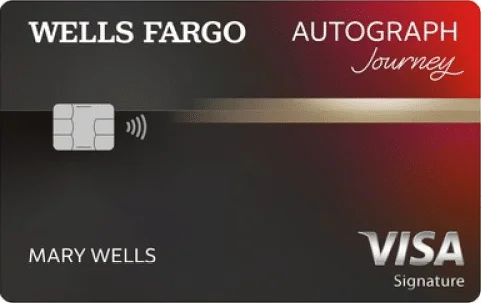
Wells Fargo Autograph Journey Card
Best flexible hotel card for direct hotel bookings with a moderate annual fee
- Rewards
- Current Wells Fargo materials list 5X points on hotels, 4X on airlines, 3X on restaurants and other travel, a $95 annual fee, and no foreign transaction fee.
- Annual fee
- $95
Pros
- Strong direct-hotel earning rate without needing a bank travel portal.
- Useful for travelers who split stays across different hotel brands.
- Wells Fargo terms define hotel rewards by hotel/motel merchant category code.
Cons
- The $95 annual fee needs enough travel use to make sense.
- Not a hotel-loyalty card, so it does not add brand-specific free-night or elite-night perks.
- A lodging purchase can miss the hotel category if the merchant or booking channel codes differently.
Issuer terms are authoritative. Card links may point to issuer pages or approved partners when available.
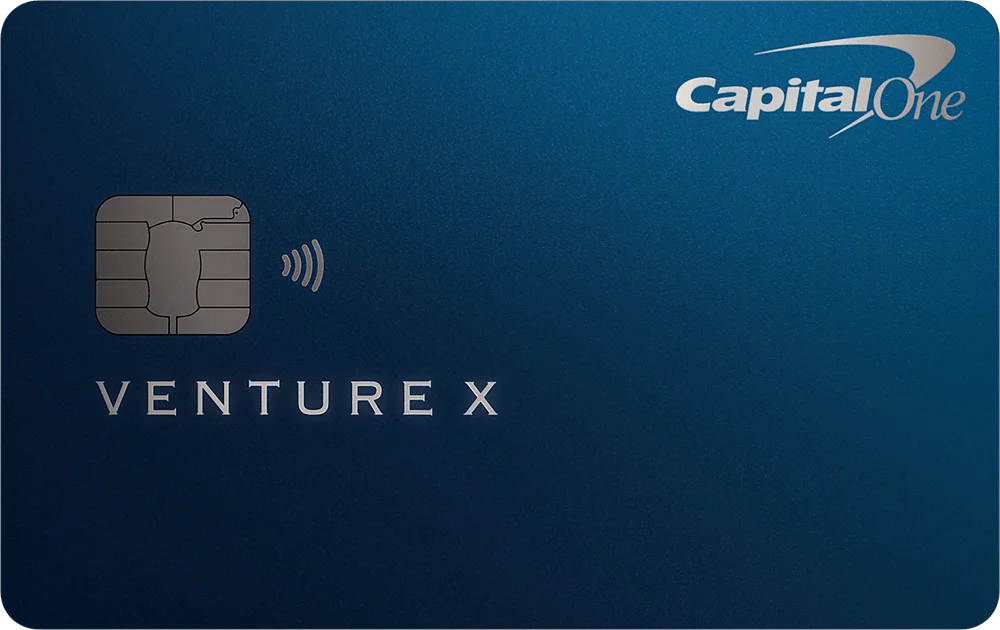
Capital One Venture X Rewards
Best premium portal option when Capital One Travel hotel prices and credits fit your trip
- Rewards
- Capital One materials describe 10X miles on hotels booked through Capital One Travel, 2X miles on other purchases, a $395 annual fee, a $300 annual Capital One Travel credit, and anniversary miles.
- Annual fee
- $395
Pros
- High hotel earning rate when booking through Capital One Travel.
- Annual travel credit and anniversary miles can offset the premium fee for frequent travelers.
- Simple 2X miles fallback on non-portal purchases.
Cons
- The 10X hotel rate is portal-dependent.
- Hotel elite benefits, member rates, cancellation terms, and price differences can make direct booking better.
- The $395 annual fee is too high if you cannot use the travel credit and broader premium benefits.
Issuer terms are authoritative. Card links may point to issuer pages or approved partners when available.
Marriott Bonvoy Boundless Credit Card
Best moderate-fee hotel-loyalty card for travelers who regularly book Marriott properties
- Rewards
- Current Chase materials describe up to 17X total points at hotels participating in Marriott Bonvoy, a $95 annual fee, automatic Silver Elite Status, and an annual Free Night Award after the account anniversary.
- Annual fee
- $95
Pros
- Hotel-specific rewards and benefits can beat a flexible card when you frequently stay with Marriott.
- Annual Free Night Award can help offset the annual fee when used well.
- Lower annual fee than premium hotel cards.
Cons
- Marriott points are not the same as cash back and redemption value varies.
- The strongest earning and free-night value are tied to participating Marriott properties.
- Free Night Award terms, redemption caps, and availability matter.
Issuer terms are authoritative. Card links may point to issuer pages or approved partners when available.
Hotel bookings look simple until the checkout page asks whether you want the member rate, the refundable rate, the Travel-portal rate, prepaid pricing, or a package. The best card is not always the one with the biggest Travel headline because hotel rewards can depend on merchant coding, booking channel, loyalty benefits, and annual-fee value.
The short version: use a direct-hotel rewards card when you want flexible hotel booking and loyalty treatment, a portal card when the portal price and credits clearly win, and a hotel-loyalty card when you repeatedly stay with one brand. Always compare the total price and cancellation terms before chasing extra points.
Which credit card should you use for hotel bookings?
Use the card that gives the best net value for the exact hotel booking channel. Direct hotel bookings, credit card Travel portals, online Travel agencies, vacation rentals, resort fees, and prepaid packages can all produce different rewards and benefits.
Madeen’s current in-app fallback catalog shows why hotels deserve a separate decision from generic Travel. Across 3,944 cards, 31 card records have hotel, motel, lodging, resort, Airbnb, or VRBO language in reward rules, representing 33 hotel-related reward rules. Only 15 of those cards reach at least 3X or 3%, 7 reach at least 4X, and 2 reach 5X. The catalog also has 10 cards with a free-hotel-night perk flag and 979 card records with hotel-related benefit language.
That split is the key: many cards talk about hotel benefits, but far fewer publish a strong hotel earning category. The best hotel card depends on whether you value direct booking, portal rewards, hotel-chain benefits, or a simple fallback card you already carry.
What are the best credit cards for hotel bookings right now?
The best hotel-booking card depends on whether you want flexible direct-hotel rewards, a premium portal setup, or hotel-chain loyalty benefits:
- Wells Fargo Autograph Journey Card: best flexible direct-hotel card because current Wells Fargo materials list 5X points on hotel purchases and a $95 annual fee.
- Capital One Venture X Rewards: best premium portal option when Capital One Travel prices, the $300 Travel credit, and broader premium benefits fit your plans.
- Marriott Bonvoy Boundless Credit Card: best moderate-fee hotel-loyalty card for travelers who regularly book Marriott properties and can use the annual Free Night Award.
Issuer terms are authoritative. Before applying for a card or moving a large hotel booking, verify the current annual fee, reward rate, booking channel, caps, exclusions, loyalty treatment, Travel credits, free-night rules, and whether taxes, fees, or packages qualify.
Should you book hotels direct or through a credit card Travel portal?
Book direct when the hotel price, cancellation policy, loyalty benefits, elite-night credit, room preference, or customer-service path is better. Use a credit card Travel portal only when the portal’s total value beats the direct hotel option.
A portal rate can look attractive because a premium card may offer a much higher multiplier on portal hotel bookings. That reward can be real, but it is not free. Compare the portal price against the hotel website, check whether the reservation is prepaid or refundable, and decide whether you are giving up hotel loyalty benefits or direct hotel support.
Direct booking is often cleaner for chain loyalists, complicated itineraries, international stays, refundable rates, accessible-room requests, and reservations where elite benefits matter. Portal booking can be useful when the price is competitive, you need to use a Travel credit, or you do not care about hotel-brand benefits for that stay.
When is Wells Fargo Autograph Journey best for hotels?
Wells Fargo Autograph Journey is best when you want a strong hotel earning rate without committing to one hotel chain or booking portal. Current Wells Fargo materials list 5X points on hotels, 4X on airlines, 3X on restaurants and other Travel, 1X on other purchases, and a $95 annual fee.
The official rewards terms matter because Wells Fargo ties the hotel category to retailers whose merchant category code is classified as hotel or motel. That makes the card a good fit for ordinary direct hotel bookings, but it also means a vacation rental, package seller, event platform, or nonstandard lodging merchant may not behave like a hotel purchase.
Use this card when you shop across hotel brands and want the booking itself to stay flexible. Skip it if you rarely book paid hotels, if a no-annual-fee Travel card in your wallet is good enough, or if a portal credit on another card creates better total value for a specific trip.
When is Capital One Venture X best for hotels?
Capital One Venture X is best when the hotel you want prices well through Capital One Travel and you can use the card’s broader premium benefits. Capital One’s current materials describe 10X miles on hotels booked through Capital One Travel, 2X miles on other purchases, a $395 annual fee, a $300 annual Travel credit for Capital One Travel bookings, and anniversary miles.
The tradeoff is booking-channel dependence. A 10X hotel rate is only compelling if the portal price, cancellation terms, property choice, room type, and customer-service path fit the trip. If booking direct is cheaper or meaningfully better, the extra portal miles may not make up the difference.
Venture X is also a premium card, not a hotel-only tool. It can be excellent for travelers who already use Capital One Travel and can use the annual credit, airport lounge access, transfer partners, and simple 2X fallback. It is too much card if you only book one hotel night per year and cannot use the Travel credit naturally.
When is Marriott Bonvoy Boundless best for hotel stays?
Marriott Bonvoy Boundless is best when you repeatedly stay at participating Marriott Bonvoy hotels and can use hotel-specific perks. Current Chase materials describe up to 17X total points at participating Marriott Bonvoy hotels, a $95 annual fee, automatic Silver Elite Status, elite-night credits, and an annual Free Night Award after the account anniversary.
This is a different kind of value than a flexible Travel card. Marriott points, elite benefits, and free-night awards can be valuable, but they are strongest when you actually stay with Marriott and can redeem within program rules. If you usually book independent hotels, compare cash prices across brands, or prefer flexible rewards, a hotel-chain card may be too narrow.
The free-night certificate is the main annual-fee test. If you can reliably use the award at a property you would otherwise pay for, the card can make sense even before considering other benefits. If the certificate would push you into a more expensive trip or expire unused, a flexible hotel card may be cleaner.
How should you compare hotel cards, portal cards, and flat-rate cards?
Compare the total trip value, not just the multiplier. Hotel bookings are large enough that cancellation terms, resort fees, taxes, loyalty benefits, and annual fees can outweigh a small rewards difference.
| Hotel booking situation | Usually compare first | Why |
|---|---|---|
| You book different hotel brands directly | Flexible direct-hotel card | Strong hotel category without one-chain lock-in |
| Capital One Travel has the best total package | Premium portal card | High portal rate plus Travel credit can win |
| You regularly stay with one hotel chain | Co-branded hotel card | Free nights and brand benefits may beat flexible rewards |
| The hotel charges a prepaid nonrefundable rate | Cancellation terms before rewards | Extra points rarely justify losing flexibility |
| Airbnb, VRBO, boutique lodging, or packages | Terms and first posted transaction | Merchant coding may not match hotel rewards |
| Rare hotel stays | No-fee Travel or flat-rate fallback | Annual fees can erase occasional rewards |
For a simple break-even check, estimate the extra rewards from the hotel card versus the card you would otherwise use, then subtract the annual fee and any booking-channel price difference. A card earning 5X instead of 2X can be attractive on frequent hotel spend, but a higher room price or unused annual fee can erase the gain quickly.
Do Airbnb, VRBO, resorts, taxes, and fees earn hotel rewards?
Sometimes, but do not assume they all qualify. Hotel cards and Travel cards usually rely on merchant category codes, booking-channel rules, and issuer definitions. A resort booked directly may code as a hotel, while a vacation rental, package site, event platform, or property-management company may code differently.
Taxes and mandatory hotel fees often follow the same merchant as the room when charged by the hotel, but separate resort charges, parking, spa purchases, dining, incidentals, or deposits can post differently. If a bonus category matters, test a small transaction or review the posted rewards before moving a larger booking pattern.
This is also why a broad “Travel” answer is not enough for hotels. The question is not just “Is this Travel?” It is “Who is the merchant of record, what category code did they use, and did the card terms include that booking channel?”
How can Madeen help choose a hotel card?
Madeen helps by keeping the reward side tied to the cards you already carry. You select your cards on your iPhone, choose the relevant purchase category, and Madeen compares local reward rules without bank login, card numbers, or transaction history.
For hotels, use Madeen as the reward starting point, then layer in the booking details. The app can help surface a hotel, Travel, or flat-rate card in your wallet, but the final choice should also account for direct-versus-portal pricing, loyalty benefits, free-night certificates, annual fees, cancellation terms, and merchant coding.
For privacy details, read the Madeen Privacy Policy or the product note on why Madeen does not ask for your bank login. For adjacent trip decisions, compare this guide with which credit card to use for travel, Hilton Honors vs Marriott Bonvoy, Marriott Bonvoy Boundless vs Bold, Chase Sapphire Preferred vs Reserve, summer travel card choice, and which credit card to use for rental cars.
What should you check before booking a hotel with a credit card?
Check the hotel price and cancellation terms before the card reward. Then confirm whether you are booking direct, through a Travel portal, through an online Travel agency, or through a package provider.
Before you pay, review:
- Total price. Compare room rate, taxes, resort fees, and booking fees across direct and portal options.
- Cancellation rules. A nonrefundable rate can cost more than the reward value if plans change.
- Loyalty treatment. Direct booking may matter for elite benefits, points, credits, upgrades, and support.
- Merchant category. Hotel/motel coding is not guaranteed for every lodging-adjacent merchant.
- Annual fee. The card should beat the fee through rewards, credits, benefits, or free-night value you will actually use.
- Benefit terms. Travel protections, free-night awards, statement credits, and portal credits all have rules.
If the math is close, choose the card and booking channel that preserve flexibility. The best hotel card is the one that gives you a better trip after rewards, fees, and terms are all included.
Related encyclopedia topics
Frequently asked questions
Which credit card should I use for hotel bookings?
Use the card that gives the best net value for the exact booking channel: a direct-hotel rewards card for flexible direct bookings, a travel-portal card when the portal price and terms are better, or a hotel-loyalty card when brand perks and free-night value outweigh flexibility.
Should I book hotels direct or through a credit card travel portal?
Book direct when member rates, elite benefits, loyalty credit, cancellation terms, or customer service matter more. Use a credit card travel portal only when its price, reward rate, credits, and booking terms beat the direct hotel option.
Is a hotel credit card better than a travel credit card?
A hotel credit card can be better for loyal guests who use free nights, elite benefits, and chain-specific rewards. A flexible travel card is usually better if you switch brands, book independent hotels, or want rewards that are not tied to one hotel program.
Do Airbnb and vacation rentals count as hotel rewards?
Not automatically. Some cards or issuers include certain lodging, travel agency, or vacation-rental merchants, but hotel rewards often depend on merchant category codes and booking channel rules. Check the issuer terms and verify the first posted transaction.
Can Madeen choose a hotel card without bank login?
Madeen can compare local reward rules for cards you select without bank login or card numbers, but hotel merchant coding, portal rules, loyalty benefits, cancellation terms, and issuer terms still decide the final best card.
Sources and notes
- Reference Madeen card catalog hotel reward and benefit analysis - Madeen Accessed 2026-05-09.
- Reference Wells Fargo Autograph Journey Card - Wells Fargo Accessed 2026-05-09.
- Reference Wells Fargo Autograph Journey Visa Card Terms and Conditions - Wells Fargo Accessed 2026-05-09.
- Reference Capital One Venture X Rewards - Capital One Accessed 2026-05-09.
- Reference Marriott Bonvoy Boundless Credit Card - Chase Accessed 2026-05-09.
- Reference Marriott Bonvoy Boundless Card Benefits - Chase Accessed 2026-05-09.