Which Credit Card Should You Use for Cruises in May 2026?
Choose a cruise credit card by comparing cruise-line travel rewards, booking channels, onboard charges, travel protections, foreign transaction fees, and flat-rate fallbacks.
Madeen compares public issuer terms with its card-rule catalog. Issuer pages control rewards, fees, benefits, exclusions, and eligibility; Madeen does not issue cards, make approval decisions, or provide financial advice.
What are the best credit cards for cruises right now?
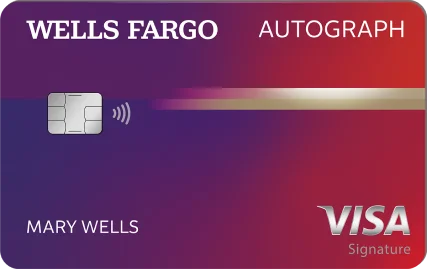
- Rewards
- Wells Fargo lists unlimited 3X points on travel purchases, and its travel examples include cruise lines, travel agencies, discount travel sites, and campgrounds; the card has no annual fee.
- Annual fee
- $0
Pros
- Clear official cruise-line language in the travel category.
- No annual fee and no foreign transaction fee under current Wells Fargo materials.
- Also useful for restaurants, gas, transit, streaming, and phone plans.
Cons
- Travel coding still depends on the merchant and booking channel.
- Onboard charges, casinos, gift cards, or excursions may not code like the cruise fare.
- Travel protections are not as broad as some premium travel cards.
Issuer terms are authoritative. Card links may point to issuer pages or approved partners when available.

Chase Sapphire Preferred Card
Best moderate-fee travel-points card for cruise bookings and broader trip planning
- Rewards
- Current Chase materials list 5x points on travel purchased through Chase Travel and 2x points on other travel purchases; Chase category guidance treats cruise lines as travel, and the card has a $95 annual fee.
- Annual fee
- $95
Pros
- Useful for travelers who already value Chase Ultimate Rewards.
- Moderate annual fee compared with premium travel cards.
- Can fit a whole trip that includes dining, flights, hotels, rental cars, and cruises.
Cons
- Direct cruise bookings generally do not earn the Chase Travel portal rate.
- Travel protections and reward eligibility depend on the exact terms and purchase channel.
- Not the best fit if you want simple cash back or rarely travel.
Issuer terms are authoritative. Card links may point to issuer pages or approved partners when available.
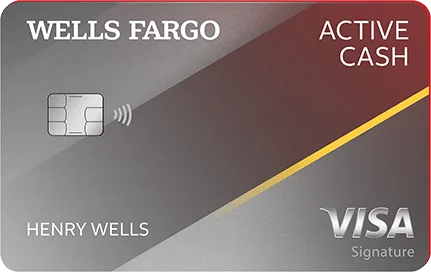
Wells Fargo Active Cash Card
Best simple fallback for onboard purchases, excursions, deposits, or uncertain cruise charges
- Rewards
- Wells Fargo lists unlimited 2% cash rewards on purchases with no categories to track and a $0 annual fee.
- Annual fee
- $0
Pros
- Simple 2% cash rewards benchmark when cruise coding is unclear.
- No need to decide whether a charge is travel, dining, entertainment, or retail.
- Useful for miscellaneous trip purchases outside the cruise fare.
Cons
- Lower ceiling than a qualifying 3X travel card.
- Foreign transaction fees and benefit terms should be checked before international use.
- Some nonpurchase transactions and fees do not earn rewards under Wells Fargo terms.
Issuer terms are authoritative. Card links may point to issuer pages or approved partners when available.
Cruises look like one Travel purchase, but the card decision can split into several pieces: the cruise fare, Travel-agent booking, onboard account, shore excursions, airfare, hotel night, foreign purchases, and trip protections.
The short version: use a card whose Travel terms explicitly include cruise lines when paying the cruise fare. Use a portal card only if the portal price and terms beat direct booking. For onboard charges, excursions, casino activity, and unclear merchants, compare the Travel card with a simple flat-rate fallback before assuming the cruise fare card still wins.
Which credit card should you use for cruises?
Use the card that gives the best net value for the specific cruise charge. For the fare, start with Travel-category cards that explicitly include cruise lines. For onboard accounts and side purchases, check the merchant type again because those charges may not code like the cruise booking.
Madeen’s current in-app fallback catalog shows why cruises need a separate answer from broad Travel. The catalog has 3,944 card records and 3,944 active personal cards, but only 2 reward rules explicitly mention cruise lines, including 1 active personal card rule. At the same time, 777 active personal cards mention cruise-related terms somewhere in benefits or detail metadata.
That gap matters. Many cards talk about Travel benefits, trip coverage, or cruise-related terms, but far fewer runtime reward rules explicitly name cruise lines. A good cruise card decision separates earning rewards on the fare from Travel protections, booking-channel terms, onboard charges, and fallback base rewards.
What are the best credit cards for cruises right now?
The best cruise card depends on whether you want no-annual-fee Travel rewards, a moderate-fee Travel-points setup, or a simple fallback for uncertain cruise charges:
- Wells Fargo Autograph Card: best no-annual-fee pick when the cruise fare or Travel-agency booking codes under Wells Fargo’s Travel category.
- Chase Sapphire Preferred Card: best moderate-fee Travel-points card for cruise travelers who already value Chase Ultimate Rewards and broader trip benefits.
- Wells Fargo Active Cash Card: best simple fallback when onboard charges, excursions, deposits, or side purchases do not clearly qualify as Travel.
Issuer terms are authoritative. Before applying for a card or moving a cruise deposit, verify the current annual fee, reward rate, cruise-line language, Travel-agency treatment, portal rules, foreign transaction fees, Travel protections, exclusions, and whether the merchant is the cruise line, a Travel agency, or an onboard account.
Do cruises count as Travel for credit card rewards?
Cruises count as Travel only when the issuer’s Travel category and merchant coding support it. Wells Fargo’s current Autograph materials are explicit: Travel examples include cruise lines, Travel agencies, discount Travel sites, and campgrounds. Chase category guidance also treats cruise lines as Travel, while Sapphire Preferred materials list 2x points on other Travel purchases and a higher rate for Travel purchased through Chase Travel.
That does not make every cruise-related charge a Travel purchase. A cruise deposit paid directly to a cruise line is different from a Travel-agent package, onboard folio charge, spa purchase, shore excursion vendor, port parking lot, restaurant, jewelry store, casino, or gift card. The merchant of record decides more than the vacation label.
If the charge is large, confirm the booking path before paying. A 3X Travel card can be a clean win on a qualifying cruise fare, but a 2% flat-rate card may be better when the charge is ambiguous or when a portal price is worse than direct booking.
When is Wells Fargo Autograph best for a cruise?
Wells Fargo Autograph is best when the cruise fare, Travel agency, or discount Travel site posts under its Travel category. Current Wells Fargo materials list unlimited 3X points on Travel purchases and specifically include cruise lines in the Travel examples. The card also has no annual fee and no foreign transaction fee under current Wells Fargo materials.
That combination is useful for occasional cruisers. A no-annual-fee card can earn a strong Travel rate without requiring lounge credits, premium Travel perks, or a large annual fee to make the math work. It also gives a straightforward answer for readers who take one cruise every year or two and do not want a premium Travel card.
The caveat is benefits. A no-annual-fee Travel card may not match a premium card’s Travel protections, emergency assistance, or trip-delay coverage. If the cruise is expensive, nonrefundable, or international, compare the benefit guide and Travel insurance terms before choosing only by reward rate.
When does Chase Sapphire Preferred make sense for cruises?
Chase Sapphire Preferred makes sense when cruise spending is part of a broader Travel-points setup. Current Chase materials list 5x points on Travel purchased through Chase Travel and 2x points on other Travel purchases. Chase category guidance treats cruise lines as Travel, and the card has a $95 annual fee.
The card can fit travelers who already value Chase Ultimate Rewards and want one moderate-fee card for a trip that may include dining, flights, a hotel night before embarkation, rental cars, and the cruise fare. It is especially relevant when the reader wants flexible points rather than cash back.
The booking channel matters. A cruise booked directly with a cruise line or Travel agency is not the same as Travel purchased through Chase Travel. Do not pay more through a portal just to chase extra points. Compare total price, cabin selection, cancellation rules, onboard credit, agency support, loyalty benefits, and service path before deciding.
Should onboard cruise purchases use the same card as the fare?
Onboard cruise purchases should use the same card only if the onboard account still earns the best net reward. Many onboard charges are bundled into a shipboard folio or posted by a merchant that is different from the cruise fare.
Use this order:
- Cruise fare or deposit: compare Travel cards with explicit cruise-line language.
- Travel-agent package: check whether the agency codes as Travel and whether agency perks beat portal rewards.
- Onboard account: compare Travel card and flat-rate fallback because dining, spa, retail, internet, gratuities, and excursions can post differently.
- Casino or cash-like activity: assume rewards may be excluded or treated differently until issuer terms prove otherwise.
- Port parking, rideshare, and transit: compare transit, Travel, or flat-rate cards separately.
- Foreign purchases: check foreign transaction fees before chasing a small reward difference.
- Flights and hotel nights: use the flight or hotel card decision separately from the cruise fare.
For adjacent trip decisions, compare Madeen’s guides to which credit card to use for flights, which credit card to use for hotel bookings, and which credit card to use for rental cars.
When is a flat-rate card better for cruises?
A flat-rate card is better when the charge is uncertain, outside the cruise fare, or too small for category tracking to matter. Wells Fargo Active Cash is the simple benchmark because Wells Fargo lists unlimited 2% cash rewards on purchases with no categories to track and a $0 annual fee.
That fallback is useful for onboard purchases, third-party excursions, luggage fees, beach gear, port shopping, or pre-trip purchases that may not qualify as Travel. A reliable 2% can beat hoping a 3X Travel category applies to a merchant that later posts as retail, entertainment, dining, or a cash equivalent.
The flat-rate card is not automatically better. If the cruise line or Travel agency clearly qualifies for 3X Travel, a card such as Wells Fargo Autograph can win on the fare. The fallback is for ambiguity, not for ignoring a clear Travel category.
How should you compare cruise cards before booking?
Compare the total trip value, not just the reward rate on the deposit. Cruise pricing and benefits can vary by booking channel, and the most rewarding card is not useful if it pushes you into a worse fare or weaker service path.
| Cruise situation | Usually compare first | Why |
|---|---|---|
| Direct cruise-line fare | Travel card with cruise-line language | The charge is most likely to fit a cruise Travel category |
| Travel-agent booking | Travel card and agency benefits | Agency onboard credit or support may matter more than extra points |
| Portal cruise booking | Portal card after price check | Higher portal rewards help only if fare and terms are competitive |
| Onboard account | Travel card and flat-rate card | Shipboard charges may not code like the cruise fare |
| International itinerary | No-foreign-transaction-fee card | Foreign fees can erase a reward win |
| Unclear excursion merchant | Flat-rate fallback | Third-party vendors may post outside Travel |
Also check Travel protections. Trip cancellation, trip interruption, delay, baggage, emergency assistance, medical evacuation, and cruise-specific exclusions vary widely. This article is about payment rewards, not Travel insurance advice, so use the card’s benefit guide and any separate Travel policy as the source of truth.
How can Madeen help choose a cruise card?
Madeen helps by keeping the reward comparison tied to cards you already carry. You select your cards on your iPhone, choose the relevant purchase category, and Madeen compares local reward rules without bank login, card numbers, or transaction history.
For cruises, use Madeen as the wallet check, then add booking-channel details. The app can help surface a Travel or flat-rate candidate in your wallet, but cruise-line coding, Travel-agent routing, onboard charges, foreign transaction fees, and issuer benefit terms still decide the final best card.
For privacy details, read the Madeen Privacy Policy or the product note on why Madeen does not ask for your bank login. For a broader fallback strategy, read which credit card to use for everyday purchases.
What should you check before paying for a cruise?
Check the card terms and booking channel before paying a cruise deposit, especially if the fare is expensive or cancellation rules are strict. The right card should still make sense after rewards, benefits, fees, and service rules are included.
Before paying, review:
- Cruise-line language. Confirm whether the card’s Travel category includes cruise lines.
- Booking channel. Direct cruise line, Travel agency, and portal purchases can differ.
- Total fare. Do not pay a higher price just to earn more points.
- Onboard charges. Decide whether the onboard account should use the same card or a fallback.
- Foreign transaction fees. International itineraries and onboard foreign merchants can change the math.
- Travel protections. Read the benefit guide for covered reasons, exclusions, limits, and documentation rules.
- Issuer terms. Use official issuer pages as the source of truth for rewards, exclusions, annual fees, and benefit rules.
Cruises are a good example of why the best card is purchase-specific. Use a cruise-friendly Travel card when the fare qualifies, and keep a simple fallback ready for everything on the trip that does not clearly look like a cruise-line purchase.
Related encyclopedia topics
Frequently asked questions
Which credit card should I use for cruises?
Use a card whose travel category explicitly includes cruise lines when the cruise fare qualifies. For onboard purchases, excursions, deposits, or unclear charges, compare that travel card against a simple flat-rate fallback.
Do cruises count as travel for credit card rewards?
Often, but not always. Some issuer travel categories include cruise lines, while others depend on merchant coding or booking channel. A travel agency, cruise line, onboard account, casino, or excursion company can post differently.
Should onboard cruise purchases use the same card as the fare?
Not automatically. Onboard dining, shops, spa charges, excursions, internet packages, gratuities, and casino activity may not code the same way as the cruise fare. Use the fare card only if the onboard account still qualifies.
Is a no-annual-fee travel card enough for cruises?
A no-annual-fee travel card can be enough if its travel terms include cruise lines and you do not need premium travel protections or lounge benefits. For occasional cruisers, avoiding a large annual fee can matter more than chasing a slightly higher multiplier.
Can Madeen choose a cruise card without bank login?
Madeen can compare local reward rules for cards you select without bank login or card numbers, but cruise-line coding, booking channel, onboard charges, foreign transaction fees, and issuer benefit terms still decide the final best card.
Sources and notes
- Madeen analysis Madeen card catalog cruise reward and travel-benefit analysis - Madeen Accessed 2026-05-31.
- Issuer terms Wells Fargo Autograph Card - Wells Fargo Accessed 2026-05-31.
- Issuer terms Chase Sapphire Preferred Credit Card - Chase Accessed 2026-05-31.
- Issuer terms Chase rewards category FAQ - Chase Accessed 2026-05-31.
- Issuer terms Wells Fargo Active Cash Card - Wells Fargo Accessed 2026-05-31.