Which Credit Card Should You Use for Theme Parks in May 2026?
Choose a theme park credit card by comparing amusement-park entertainment rewards, Disney-specific terms, ticket sellers, in-park purchases, and flat-rate fallback cards.
Madeen compares public issuer terms with its card-rule catalog. Issuer pages control rewards, fees, benefits, exclusions, and eligibility; Madeen does not issue cards, make approval decisions, or provide financial advice.
What are the best credit cards for theme parks right now?
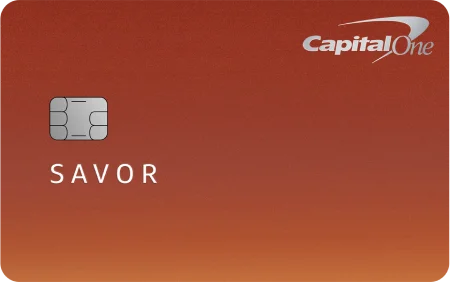
Savor Rewards
Best broad no-annual-fee entertainment card when the amusement-park purchase qualifies
- Rewards
- Current Capital One materials list unlimited 3% cash back on entertainment purchases, and Capital One's category explainer includes amusement parks in entertainment; the card has no annual fee.
- Annual fee
- $0
Pros
- Strong no-annual-fee option for qualifying amusement-park and entertainment purchases.
- Cash back is easier to value than points or park-specific rewards.
- Also useful for dining, groceries, and popular streaming services under current Capital One materials.
Cons
- The amusement-park result still depends on merchant coding and how the ticket is sold.
- Hotel, travel-package, parking, or third-party ticket purchases may not code as entertainment.
- It does not add Disney-specific photo, merchandise, dining, or ticket-credit perks.
Issuer terms are authoritative. Card links may point to issuer pages or approved partners when available.

Disney® Inspire Visa® Card
Best for frequent Disney park visitors who can use Disney-specific rewards and credits
- Rewards
- Current Disney Rewards materials list a $149 annual fee, 3% in Disney Rewards Dollars at most U.S. Disney locations and gas stations, 2% at grocery stores and restaurants, 10% on qualifying Disney+, Hulu, and ESPN purchases, and a $100 U.S. Disney theme park ticket credit after qualifying annual ticket spend.
- Annual fee
- $149
Pros
- Targets Disney park and Disney ecosystem spending more directly than a general entertainment card.
- Can add Disney park perks, merchandise and dining savings, photo opportunities, and a ticket statement credit under current terms.
- Useful when Disney trips are recurring enough to justify tracking Disney Rewards Dollars.
Cons
- The $149 annual fee needs real Disney use to make sense.
- Disney Rewards Dollars are narrower than cash back.
- Non-Disney parks, third-party sellers, and vacation-package rules may not get the same value.
Issuer terms are authoritative. Card links may point to issuer pages or approved partners when available.
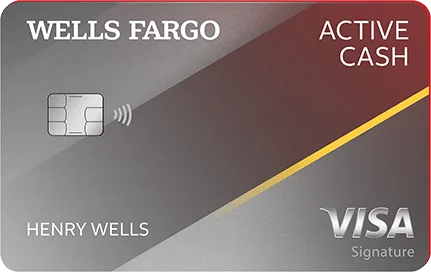
Wells Fargo Active Cash®
Best simple fallback when ticket coding, park merchants, or third-party sellers are uncertain
- Rewards
- Wells Fargo lists unlimited 2% cash rewards on purchases with no categories to track and a $0 annual fee.
- Annual fee
- $0
Pros
- Easy 2% cash rewards benchmark for tickets, parking, souvenirs, and other eligible purchases.
- No need to guess whether a merchant is entertainment, travel, dining, or retail.
- Useful across non-Disney parks and third-party ticket sellers.
Cons
- Lower ceiling than a qualifying 3% entertainment or Disney-specific reward.
- Does not provide park-specific discounts or credits.
- Some nonpurchase transactions and fees do not earn rewards under Wells Fargo terms.
Issuer terms are authoritative. Card links may point to issuer pages or approved partners when available.
Theme park trips are expensive in a way that does not fit one neat credit card category. A family may buy tickets online, pay for parking at the gate, eat inside the park, book a nearby hotel, and leave with souvenirs from several different merchants.
The short version: use a card with explicit amusement-park or entertainment rewards when the ticket purchase qualifies. Use a Disney card only when Disney-specific rewards, credits, and perks beat simpler Cash Back. If the ticket seller, parking charge, hotel, food stand, or souvenir shop is uncertain, fall back to your best flat-rate card.
Which credit card should you use for theme parks?
Use the card that is most likely to earn the best net reward on the specific theme-park purchase. For theme park tickets, start with entertainment category terms. For Disney parks, compare Disney-specific cards. For everything else inside the trip, treat each charge separately.
Madeen’s current in-app fallback catalog shows why this needs a narrow answer. The catalog includes 3,944 card records and 3,944 active personal cards. Among active personal cards, 175 have reward-rule descriptions that mention entertainment and 172 mention recreation, but no active personal reward rule explicitly mentions theme parks or amusement parks. The same catalog includes Disney Inspire and Disney Premier card records with image URLs, plus 208 active personal cards earning at least 2x or 2% on base purchases.
That pattern matters. Many cards sound theme-park-adjacent, but the reliable answer depends on official issuer category language, the merchant of record, and whether the charge is a ticket, hotel, restaurant, parking lot, app upgrade, photo package, or souvenir purchase.
What are the best credit cards for theme parks right now?
The best theme park card depends on whether you need a broad entertainment card, a Disney-focused card, or a no-guessing fallback:
- Capital One Savor Rewards: best broad no-annual-fee entertainment card when an amusement-park ticket purchase qualifies under Capital One’s entertainment terms.
- Disney Inspire Visa Card: best for frequent Walt Disney World or Disneyland visitors who can use Disney-specific rewards, credits, and park perks enough to justify the annual fee.
- Wells Fargo Active Cash: best simple fallback when a ticket seller, parking charge, souvenir shop, or third-party Travel site may not qualify for a bonus category.
Issuer terms are authoritative. Before applying for a card or moving a large theme-park purchase, verify the current annual fee, reward rate, category definition, ticket-credit rules, merchant exclusions, purchase channel, and whether the charge must be made directly with the park.
Do amusement parks count as entertainment for credit card rewards?
Amusement parks count as entertainment only when the issuer’s category terms say they do and the merchant code matches. Capital One’s current Savor category materials list unlimited 3% Cash Back on entertainment purchases, and Capital One’s category explainer includes amusement parks under entertainment.
That makes Savor a clean broad example for a theme-park article, but it is not a universal rule for every card. Another issuer may define entertainment more narrowly. A third-party ticket marketplace, hotel package, Travel agency, vacation club, school group payment, or mobile wallet checkout may post under a different merchant than the park itself.
The practical test is the merchant of record. If you buy directly from a theme park that codes as amusement or entertainment, an entertainment card can win. If you buy through a Travel portal or ticket reseller, a Travel card, online-shopping card, or flat-rate card may be more reliable.
When is Capital One Savor best for theme parks?
Capital One Savor is best when the park ticket or qualifying attraction purchase posts as entertainment. Current Capital One materials list unlimited 3% Cash Back on entertainment, dining, grocery stores, and popular streaming services, with no annual fee.
For theme parks, the entertainment category is the important piece. A qualifying 3% cash-back rate can beat a 2% flat-rate card without forcing the reader into points, miles, or park-specific rewards. It also works outside one park brand, which matters for families comparing Disney, Universal, Six Flags, Cedar Fair parks, local amusement parks, zoos, aquariums, and other attractions.
The caveat is coding. Savor is not automatically the best card for every cost on a theme park trip. A hotel near the park may be lodging. A rental car may be Travel. A restaurant inside or near the park may be dining. A gift shop may be retail. A third-party ticket package may not look like an amusement-park purchase at all.
Is a Disney credit card worth it for Disney World or Disneyland?
A Disney credit card is worth considering when Disney trips are recurring and the Disney-specific benefits are actually used. The Disney Inspire Visa Card is the stronger Disney-focused example in Madeen’s catalog because current Disney Rewards materials list 3% in Disney Rewards Dollars at most U.S. Disney locations and gas stations, 2% at grocery stores and restaurants, 10% on qualifying Disney+, Hulu, and ESPN purchases, a $149 annual fee, and a $100 U.S. Disney theme park ticket statement credit after qualifying annual ticket spend.
That can be useful for households that repeatedly visit Walt Disney World, Disneyland, Disney hotels, Disney Cruise Line, or Disney stores and naturally redeem Disney Rewards Dollars. The card’s park perks can also matter if the household uses eligible merchandise savings, dining savings, photo opportunities, and ticket credits.
The tradeoff is flexibility. Disney Rewards Dollars are not the same as Cash Back. The annual fee is meaningful. Non-Disney parks do not receive the same Disney-specific value. Even at Disney, terms can separate theme park tickets, vacation packages, U.S. Disney locations, international parks, Disney Cruise Line, Disney-operated websites, and other eligible channels. If you take one Disney trip and then spend the rest of the year outside Disney, a no-annual-fee entertainment card or 2% flat-rate card may be cleaner.
Should theme park food, parking, hotels, and souvenirs use the same card?
Do not assume one card should handle the whole theme park trip. A ticket purchase, churro stand, table-service restaurant, hotel deposit, parking booth, souvenir shop, mobile food order, photo package, and Lightning Lane or express-pass purchase can all post differently.
Use this order:
- Tickets bought directly from the park: check entertainment, amusement-park, Disney-location, or park-specific card terms first.
- Third-party ticket sellers: compare online-shopping, Travel, and flat-rate cards because the merchant may not be the park.
- In-park restaurants: compare dining cards, especially if the charge posts from a restaurant merchant.
- Parking: check whether your card has a parking, transit, Travel, or flat-rate advantage.
- Hotels and vacation packages: compare hotel, Travel, portal, and direct-booking benefits separately from park-ticket rewards.
- Souvenirs and merchandise: use a park-specific card only when the merchant qualifies; otherwise use a flat-rate fallback.
- Foreign parks: consider foreign transaction fees before chasing a small reward difference.
For adjacent trip decisions, compare Madeen’s guides to which credit card to use for hotel bookings, which credit card to use for rental cars, and which credit card to use for flights.
When is a flat-rate card better for theme parks?
A flat-rate card is better when category confidence is low or when the reward difference is too small to justify tracking several cards during a busy trip. Wells Fargo Active Cash is a useful benchmark because Wells Fargo lists unlimited 2% cash rewards on purchases with no categories to track and a $0 annual fee.
That does not make 2% the highest possible rate. A qualifying 3% entertainment purchase or Disney-specific reward can beat it. But a flat-rate card wins on reliability when the purchase channel is messy, the merchant code is unknown, or the family wants one simple card for tickets, snacks, lockers, parking, souvenirs, and app purchases.
The fallback also helps avoid a common mistake: treating all theme park spending as Travel. A park ticket is not automatically airfare, hotel, transit, or general Travel just because it happens during a trip. If the card’s Travel definition does not clearly include the merchant, a simple 2% card can be safer than guessing.
How should you compare cards before buying theme park tickets?
Compare the net value of the exact purchase, not the card’s headline category name. A small reward difference can disappear if the purchase is routed through a reseller, if the card has an annual fee you would not otherwise justify, or if the park-specific rewards are hard for you to redeem.
| Purchase situation | Usually compare first | Why |
|---|---|---|
| Direct amusement-park tickets | Entertainment card and flat-rate card | Some issuer terms include amusement parks, but coding still matters |
| Direct Disney park spending | Disney card, entertainment card, and flat-rate card | Disney-specific rewards and credits can matter for frequent visitors |
| Third-party tickets or packages | Flat-rate, Travel, or online-shopping card | The reseller may be the merchant of record |
| Hotel near the park | Hotel or Travel card | Lodging should be evaluated separately from park tickets |
| In-park dining | Dining card or park-specific card | Food can post differently from ticket purchases |
| Souvenirs and gift shops | Park-specific card or flat-rate card | Retail coding may not qualify for entertainment |
| International theme parks | No-foreign-transaction-fee card | Foreign transaction fees can erase the reward |
If the difference is close, choose the card with the least ambiguity. A reliable 2% cash-back purchase is often better than hoping a 3% category applies and discovering later that the ticket seller coded differently.
How can Madeen help choose a theme park card?
Madeen helps by keeping the decision tied to the cards you already carry. You select your cards on your iPhone, choose the relevant category where available, and Madeen compares local reward rules without bank login, card numbers, or transaction history.
For theme parks, use Madeen as the wallet check, then add the purchase-channel details. The app can help identify an entertainment, dining, Travel, or flat-rate candidate in your wallet, but issuer definitions and merchant coding still decide whether the ticket, parking, hotel, restaurant, or souvenir charge qualifies.
For privacy details, read the Madeen Privacy Policy or the product note on why Madeen does not ask for your bank login. For a broader fallback strategy, read which credit card to use for everyday purchases. For summer trips that mix parks and events, compare summer travel cards and the sports tickets hub.
What should you check before paying for theme park tickets?
Check the merchant and terms before buying tickets, especially when the purchase is large or nonrefundable. The best card should still make sense after category rules, annual fees, redemption limits, and purchase-channel quirks.
Before paying, review:
- Issuer category language. Look for amusement parks, entertainment, Disney locations, Travel, or other explicit terms.
- Merchant of record. Direct park purchases and third-party ticket sellers can post differently.
- Annual fee. A park-specific card should be useful beyond one ticket purchase.
- Reward currency. Cash Back, Disney Rewards Dollars, points, and miles are not equally flexible.
- In-park purchases. Food, parking, hotels, app upgrades, and souvenirs may need separate card choices.
- Foreign transaction fees. International parks can turn a reward win into a loss if the card charges a foreign transaction fee.
- Issuer terms. Use official issuer pages as the source of truth for rewards, credits, exclusions, annual fees, and benefit rules.
Theme parks are a good example of why the best card is not always the most dramatic headline rate. Use the card whose terms match the purchase in front of you, and keep a strong flat-rate fallback ready when the category is uncertain.
Related encyclopedia topics
Frequently asked questions
Which credit card should I use for theme parks?
Use a card with explicit amusement-park or entertainment rewards when the ticket seller qualifies. For Disney parks, compare Disney-specific cards against cash-back cards. If the merchant coding is unclear, use your best flat-rate card instead of assuming a travel card will win.
Do amusement parks count as entertainment for credit card rewards?
Sometimes. Capital One's current Savor category explainer includes amusement parks under entertainment, but each issuer defines categories differently and the merchant of record can change the result.
Is a Disney credit card worth it for Disney World or Disneyland?
A Disney credit card can be worth it for frequent Disney visitors who use Disney-specific rewards, ticket credits, merchandise savings, dining savings, and photo perks. For occasional trips, a no-fee entertainment or flat-rate cash-back card may be simpler.
Should theme park food, parking, hotels, and souvenirs use the same card?
Not always. Food may code as dining, hotels may code as travel or lodging, parking may code separately, and souvenirs may code as retail. Check each charge type instead of assuming the ticket card is best for the whole trip.
Can Madeen choose a theme park card without bank login?
Madeen can compare local reward rules for cards you select without bank login or card numbers, but issuer category definitions, ticket seller coding, Disney-specific terms, and park purchase channels still decide the final best card.
Sources and notes
- Reference Madeen card catalog theme park, entertainment, and base-reward analysis - Madeen Accessed 2026-05-30.
- Reference Savor Cash Back Rewards Credit Card - Capital One Accessed 2026-05-11.
- Reference Explore Cash Back Credit Cards: Savor cash back categories - Capital One Accessed 2026-05-11.
- Reference Compare Disney Visa Credit Cards - Disney Rewards and Chase Accessed 2026-05-11.
- Reference Wells Fargo Active Cash Credit Card - Wells Fargo Accessed 2026-05-11.