Is Amex Blue Cash Preferred or Blue Cash Everyday Better in June 2026?
Amex Blue Cash Preferred vs Blue Cash Everyday compared on grocery, streaming, gas, online retail, annual fees, and who should pay $95 for 6% supermarket rewards.
Madeen compares public issuer terms with its card-rule catalog. Issuer pages control rewards, fees, benefits, exclusions, and eligibility; Madeen does not issue cards, make approval decisions, or provide financial advice.
Blue Cash Preferred vs Blue Cash Everyday at a glance
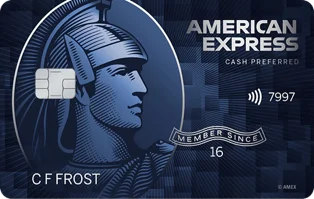
Blue Cash Preferred® Card from American Express
Heavy U.S. supermarket and streaming spend when 6% beats the annual fee
- Rewards
- 6% cash back at U.S. supermarkets on up to $6,000 per calendar year (then 1%); 6% on select U.S. streaming; 3% on transit and U.S. gas stations; 1% elsewhere under current Amex terms.
- Annual fee
- $95
Pros
- Highest supermarket rate in this pair
- 6% streaming on eligible subscriptions
- 3% on transit and gas
Cons
- $95 annual fee
- $6,000 annual supermarket cap
- Superstore exclusions per issuer
Issuer terms are authoritative. Card links may point to issuer pages or approved partners when available.
Blue Cash Everyday® Card from American Express
No annual fee with 3% on groceries, gas, and online retail within caps
- Rewards
- 3% cash back at U.S. supermarkets, U.S. gas stations, and U.S. online retail purchases on up to $6,000 per calendar year in each category (then 1%); 1% elsewhere under current Amex terms.
- Annual fee
- $0
Pros
- No annual fee
- 3% online retail category
- Simpler for moderate grocery spend
Cons
- Lower grocery rate than Preferred
- Per-category $6,000 annual caps
- No streaming bonus
Issuer terms are authoritative. Card links may point to issuer pages or approved partners when available.
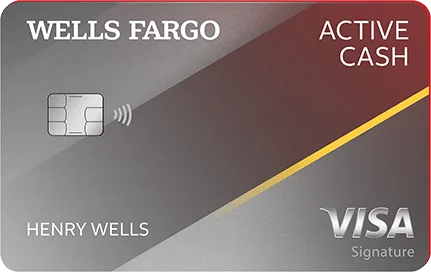
Wells Fargo Active Cash® Card
Flat 2% everywhere when Amex is not accepted or caps are exhausted
- Rewards
- Unlimited 2% cash rewards on purchases; $0 annual fee under current Wells Fargo terms.
- Annual fee
- $0
Pros
- Wide merchant acceptance
- No category tracking
- Useful after Amex caps
Cons
- Lower than 6% or 3% bonuses
- No grocery-specific boost
- Verify issuer terms
Issuer terms are authoritative. Card links may point to issuer pages or approved partners when available.
American Express pitches two sibling cash-back cards: Blue Cash Preferred with a $95 Annual fee and 6% U.S. supermarket rewards, and Blue Cash Everyday with no Annual fee and 3% category buckets. The right pick depends on how much you spend at U.S. supermarkets, Streaming services, and online retailers — not on which logo looks better in your wallet.
Madeen’s catalog tracks 3,944 U.S. cards with category multipliers and caps (Card Rules; snapshot 2026-06-01). The comparison below uses issuer-published terms verified 2026-06-16.
Is Amex Blue Cash Preferred or Blue Cash Everyday better?
Blue Cash Preferred wins when supermarket and Streaming spend is high enough that 6% rewards exceed the $95 Annual fee versus Everyday’s 3% rates. Blue Cash Everyday wins when you want zero Annual fee and your category spend stays within the $6,000-per-category caps. Both cards exclude warehouse clubs and superstores like Walmart and Target from Grocery bonuses per American Express terms.
Neither card is a universal “best cash-back card” — they are Grocery-and-lifestyle specialists.
How do Blue Cash Preferred and Everyday compare?
| Feature | Blue Cash Preferred | Blue Cash Everyday |
|---|---|---|
| Annual fee | $95 | $0 |
| U.S. supermarkets | 6% up to $6,000/year, then 1% | 3% up to $6,000/year, then 1% |
| Streaming | 6% on select U.S. Streaming | No bonus category |
| Gas | 3% at U.S. Gas stations | 3% up to $6,000/year, then 1% |
| Online retail | 1% base | 3% up to $6,000/year, then 1% |
| Transit | 3% | 1% base |
| Best for | Heavy supermarket + Streaming households | Moderate category spend, fee-averse users |
Verify current rates, caps, and exclusions on American Express’s official pages before you apply.
When is Blue Cash Preferred worth the Annual fee?
Run break-even math on supermarket spend first. The incremental 3% on up to $6,000 in U.S. supermarket purchases versus Everyday is up to $180 per year in extra Cash Back at the cap (6% minus 3% on $6,000). Add Streaming at 6% and transit/Gas at 3% if those categories are large in your budget.
If supermarket spend is modest — say $3,000 per year — the incremental $90 may not clear a $95 fee unless Streaming and transit close the gap. See annual fee break-even framework.
When should you pick Blue Cash Everyday?
Choose Everyday when you want no Annual fee and your Grocery, Gas, and online retail spend fits comfortably inside the $6,000 caps. The 3% online retail category is a differentiator Preferred lacks — useful for online shopping without paying a fee.
Pair Everyday with a flat 2% card such as Active Cash vs SavorOne for non-bonus spend.
What are the main tradeoffs?
Acceptance and caps matter as much as headline rates. American Express is not accepted everywhere; groceries at superstores may code outside the bonus. After you hit $6,000 in a category, both cards earn 1% on further purchases in that lane until the calendar resets.
For broader cash-back comparisons, see Citi Double Cash vs Wells Fargo Active Cash and the everyday purchases hub.
How does Madeen fit?
Madeen compares effective reward rates across cards you already own — including which Blue Cash variant wins at a given merchant category. It does not link bank accounts or predict approval. Add your cards once, then let Madeen surface the stronger pick at checkout.
Related encyclopedia topics
Frequently asked questions
Is Amex Blue Cash Preferred or Blue Cash Everyday better?
Blue Cash Preferred is better when U.S. supermarket and streaming spend is high enough to cover its annual fee with 6% and 3% category rates. Blue Cash Everyday is better when you want no annual fee and moderate 3% rates on groceries, gas, and online retail within annual caps.
Is Blue Cash Preferred worth the annual fee?
Preferred can be worth the fee if you spend enough at U.S. supermarkets to earn more than the fee in extra cash back versus Everyday. At 6% on groceries up to $6,000 per calendar year, the incremental 3% over Everyday on that cap is up to $180 before other categories — compare to the current annual fee on American Express's site.
What is the grocery cap on Blue Cash cards?
American Express caps 6% U.S. supermarket rewards on Blue Cash Preferred at $6,000 per calendar year, then 1%. Blue Cash Everyday earns 3% at U.S. supermarkets on up to $6,000 per calendar year, then 1%. Superstores like Walmart and Target are excluded per issuer terms.
Which card is better for streaming?
Blue Cash Preferred earns 6% on select U.S. streaming subscriptions under current Amex terms. Blue Cash Everyday does not include a streaming bonus category — Preferred wins for heavy streaming wallets if you already justify the fee.
Can you hold both Blue Cash cards?
American Express card-family rules may limit holding multiple Blue Cash products. Many households pick one. Madeen helps use whichever you carry for groceries, gas, or online retail at checkout.
Sources and notes
- Issuer terms Blue Cash Preferred Card from American Express - American Express Accessed 2026-06-16.
- Issuer terms Blue Cash Everyday Card from American Express - American Express Accessed 2026-06-16.
- Madeen analysis Madeen card catalog analysis - Madeen Accessed 2026-06-16.