Which Credit Card Should You Use for Online Shopping in May 2026?
Best credit card for online shopping in June 2026: broad 3% online retail vs store cards, Prime Day stacking, caps, and secure-checkout fallbacks — Madeen catalog counts on online-category scarcity.
Madeen compares public issuer terms with its card-rule catalog. Issuer pages control rewards, fees, benefits, exclusions, and eligibility; Madeen does not issue cards, make approval decisions, or provide financial advice.
What are the best credit cards for online shopping right now?
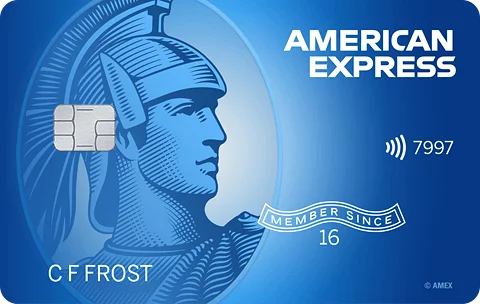
Blue Cash Everyday Card from American Express
Best broad no-annual-fee U.S. online retail cash back
- Rewards
- 3% cash back on U.S. online retail purchases on up to $6,000 per year in purchases, then 1%, under current issuer terms.
- Annual fee
- $0
Pros
- Broad online retail category for eligible U.S. website and app purchases.
- No annual fee.
- Also earns in U.S. supermarkets and U.S. gas stations under current terms.
Cons
- Online retail rewards are capped each year.
- American Express excludes several non-retail services from the online retail category.
- Store-specific cards can beat it at a favorite retailer.
Issuer terms are authoritative. Card links may point to issuer pages or approved partners when available.
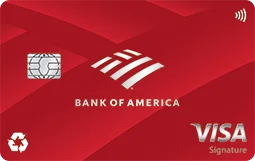
Bank of America Customized Cash Rewards Credit Card
Best selectable online shopping category
- Rewards
- 3% cash back in a choice category such as online shopping, with 2% grocery and wholesale club rewards, on the first $2,500 in combined quarterly purchases, then 1%.
- Annual fee
- $0
Pros
- Online shopping can be selected as the 3% category.
- Bank of America publishes detailed online shopping examples and exclusions.
- No annual fee.
Cons
- The 3% and 2% rewards share a combined quarterly cap.
- You must choose the category and can change it only under issuer rules.
- Some online services, utilities, taxes, schools, medical payments, and non-retail services are excluded.
Issuer terms are authoritative. Card links may point to issuer pages or approved partners when available.
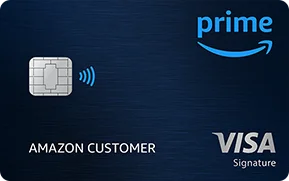
- Rewards
- 5% back at Amazon.com, Amazon Fresh, Whole Foods Market, and on Chase Travel purchases under current issuer terms for eligible Prime cardholders.
- Annual fee
- $0 card annual fee; Prime membership required for the featured Prime rewards
Pros
- Strong store-specific rate for Amazon-focused shoppers.
- Also earns elevated rewards at Whole Foods Market and on Chase Travel under current terms.
- Can beat broad 3% online retail cards at eligible Amazon purchases.
Cons
- Best rewards depend on eligible Prime membership and qualifying merchants.
- Not a broad online shopping card for non-Amazon retailers.
- A separate Prime membership cost may matter if you would not keep Prime anyway.
Issuer terms are authoritative. Card links may point to issuer pages or approved partners when available.
Online shopping sounds like one clean category until you compare issuer definitions. A purchase made in a browser may be treated differently from an in-app purchase, a store pickup order, a utility payment, a marketplace transaction, or a store-specific card purchase.
The short version: use a broad online retail card for eligible purchases across many websites, a store-specific card when one retailer dominates your spend — see dedicated guides for Amazon, Walmart, and Costco — and your best flat-rate card when the purchase does not clearly qualify for an online shopping bonus.
Which credit card should you use for online shopping?
Use the online shopping card in your wallet that earns the highest reliable return for the exact merchant and billing method. A broad 3% online retail card is useful for general shopping. A store-specific card can win at one merchant. A flat-rate 2% card is often the safest fallback for bills, services, and purchases that do not fit issuer definitions.
Madeen’s current in-app fallback catalog shows why the answer is not universal. Among 3,944 cards in the current catalog snapshot, only 17 cards include “online” language in their category rules, and only 8 cards use Bank of America’s explicit “online shopping” choice-category language. A narrower search for “online retail” finds just 3 cards in the catalog, including Blue Cash Everyday’s U.S. online retail rule. See the Madeen methodology for how catalog-backed counts are produced.
That scarcity matters. Many cards are good for groceries, dining, gas, travel, or everyday purchases, but relatively few have a broad online shopping category. If your wallet has one, it can be valuable. If it does not, a strong flat-rate card may be the practical answer.
What are the best credit cards for online shopping right now?
The best online shopping card depends on whether your spending is broad, category-selected, or concentrated at one retailer:
- Blue Cash Everyday Card from American Express: best for broad U.S. online retail Cash Back with no annual fee.
- Bank of America Customized Cash Rewards Credit Card: best when you want to choose online shopping as a 3% category and can manage the quarterly combined cap.
- Prime Visa: best when Amazon.com and eligible Amazon ecosystem purchases dominate your online spend and you already value Prime.
Issuer terms are authoritative. Before applying or changing your default payment card, verify current rewards, caps, annual fees, membership requirements, merchant examples, and exclusions on the issuer page.
Is every website purchase an online retail purchase?
No. Issuers use their own definitions and merchant data. Some purchases made online are not treated as online retail or online shopping for rewards.
American Express says eligible U.S. online retail purchases must be made on a website or digital app from a U.S. retail merchant that sells physical goods or merchandise directly to consumers. Its retail rewards information also lists examples where additional online retail rewards are not earned, including airline tickets, concert ticket purchases, food delivery platforms, online grocery orders, rideshare services, streaming services, and wireless cellular providers.
Bank of America defines online shopping more broadly in some ways, saying the category includes purchases made online via a website or digital app and gives examples such as Amazon, Comcast, Etsy, Netflix, Nordstrom, Ticketmaster, and Walmart. But it also excludes purchases made by phone, mail, in person, online orders paid for in store, some mobile-wallet in-store purchases, and several non-retail categories such as utilities, insurance, taxes, schools, medical providers, and many professional services.
The lesson is simple: online checkout does not guarantee online-category rewards.
Is a store-specific card better than a broad online shopping card?
A store-specific card is better when one merchant dominates your spending and the card’s reward rate is clearly higher. It is weaker when your online shopping is spread across many retailers.
Prime Visa is the clean example. Chase says the card earns 5% back at Amazon.com, Amazon Fresh, Whole Foods Market, and on Chase Travel purchases under current terms for eligible Prime cardholders, plus lower rates in other categories. That can beat a broad 3% online retail card at Amazon — including during Prime Day. But it does not solve Etsy, Apple, Best Buy, Target, Wayfair, airline tickets, insurance bills, or a random merchant that does not qualify.
A practical wallet can use both layers: store-specific card for the store where it clearly wins, broad online shopping card for eligible retailers, flat-rate fallback for everything else.
How do caps change the online shopping answer?
Caps turn a great online shopping card into a limited-use tool. Once the cap is reached, the card may fall back to 1%, making a 2% flat-rate card better for the rest of the period.
Two common cap shapes show up in the recommended cards:
| Card | Online shopping cap issue | Practical takeaway |
|---|---|---|
| Blue Cash Everyday | 3% U.S. online retail applies up to $6,000 per year in purchases, then 1% | Good broad card until the annual cap; switch after the cap if another card earns more. |
| Bank of America Customized Cash Rewards | 3% choice category and 2% grocery/wholesale rewards share the first $2,500 in combined quarterly purchases, then 1% | Strong if online shopping is your chosen category, but grocery or wholesale spend can use the same cap. |
| Prime Visa | Store-specific rewards depend on eligible merchants and Prime status rather than a broad online cap in the same way | Excellent at eligible Amazon purchases, but not a general online category. |
If Memorial Day sales, back-to-school purchases, or a large electronics order pushes you near a cap, check the card before assuming the advertised rate still applies. For seasonal walkthroughs, see best credit card for back-to-school shopping and best credit card for Memorial Day shopping.
When should you use a flat-rate card online?
Use a flat-rate card online when the purchase does not clearly qualify for a higher category or store-specific reward. A 2% cash-back card is not always the highest return, but it is often the most reliable return.
Examples where a flat-rate card may be safer:
- Online utility, insurance, tax, tuition, medical, or professional-service payments.
- A merchant that is online but not retail under the issuer’s definition.
- An order placed online but paid in store.
- A third-party wallet, app-store, or marketplace checkout where coding is uncertain.
- Purchases after your online shopping card has hit its cap.
For the broader fallback framework, read Madeen’s guide to which credit card to use for everyday purchases. For apparel-specific coding, see which credit card for clothing. For category-card head-to-heads, see Bank of America Customized Cash vs Citi Custom Cash.
How should you choose an online shopping card at checkout?
Use this sequence:
- Check the merchant. If it is Amazon and you have Prime Visa with eligible Prime rewards, that may win.
- Check broad online eligibility. If it is a U.S. online retail purchase or Bank of America online shopping category purchase, compare those cards next.
- Check the cap. If the card is capped and you are past the limit, use the next-best card.
- Check reward currency. Cash Back is easy; points need a valuation.
- Use the flat-rate fallback. If the purchase is a service, bill, tax, fee, medical payment, or uncertain merchant, use your best base-rate card.
This prevents a common online shopping mistake: using a category card for every internet purchase when the issuer category is narrower than the checkout screen suggests.
How can Madeen help choose an online shopping card?
Madeen helps with wallet-specific choices. You select the cards you carry, then Madeen compares reward rules locally without bank login, card numbers, or transaction history.
For online shopping, Madeen can show which selected cards have relevant catalog rules, such as online retail, online shopping, store-specific rewards, or a strong base rate. You still need issuer terms for edge cases, because online shopping is one of the categories where merchant coding, billing method, caps, and exclusions matter most.
For privacy details, read the Madeen Privacy Policy or the product note on why Madeen does not ask for your bank login.
What should you do next?
Look at your last few online purchases and group them into three buckets: favorite retailer, broad retail shopping, and bills or services. Put each bucket on the card that actually fits it.
If one merchant dominates, use the store card when it clearly wins. If your online shopping is spread across retailers, a broad online retail or online shopping card may be better. If the purchase is uncertain, use your best flat-rate card and avoid chasing a bonus that may not post.
For Amazon-specific checkouts, read Amazon purchases and Amazon AI shopping. For curbside grocery orders charged online, see grocery pickup. For July sale-season picks, see the July 2026 online shopping spoke and the warehouse club guide when bulk orders mix club and web checkout.
Related encyclopedia topics
Frequently asked questions
Which credit card should I use for online shopping?
Use the card with the best return for the specific online merchant after checking whether the purchase qualifies as online retail, whether a store-specific card pays more, and whether you are near a spending cap.
Is an online purchase always online retail for credit card rewards?
No. Issuers define online retail differently, and many services, utilities, taxes, medical bills, schools, insurance payments, and app or phone orders may be excluded.
Is a store card better than a broad online shopping card?
A store card can be better at that merchant, such as Amazon, but a broad online shopping card is usually more useful across multiple retailers.
Should I use a 2% flat-rate card online?
Use a 2% flat-rate card when the purchase does not clearly qualify for a higher online, store, or category bonus. It is the fallback, not the ceiling.
Which card should you use when Amazon AI shopping routes to another retailer?
Use Prime Visa when the charge still posts as an eligible Amazon.com, Amazon Fresh, or Whole Foods purchase. When Amazon's agent completes checkout at another U.S. retailer, switch to a broad online-retail card or that store's best category card instead of assuming the Amazon rate applies.
Can Madeen choose an online shopping card without bank login?
Madeen can compare the reward rules for cards in your selected wallet, but online purchases still require checking issuer definitions and merchant coding for edge cases.
What is the best no annual fee credit card for online shopping?
Blue Cash Everyday is the strongest broad no-annual-fee pick for eligible U.S. online retail purchases up to its annual cap. Bank of America Customized Cash Rewards can match 3% when online shopping is your chosen category. Prime Visa wins at Amazon only when Prime membership already fits your budget.
Is a dedicated online shopping category worth it?
Yes when you spend enough eligible online retail to clear an annual fee or use a no-annual-fee online category before the cap. It is not worth chasing when most of your web spend is utilities, insurance, subscriptions, or marketplace orders that issuers exclude from online retail.
Sources and notes
- Madeen analysis Madeen card catalog online shopping and online retail analysis - Madeen Accessed 2026-05-28.
- Issuer terms Blue Cash Everyday Card from American Express - American Express Accessed 2026-05-22.
- Issuer terms American Express retail rewards information - American Express Accessed 2026-05-22.
- Issuer terms Bank of America Customized Cash Rewards categories and exclusions - Bank of America Accessed 2026-05-22.
- Issuer terms Prime Visa Credit Card - Chase Accessed 2026-05-22.