What Is the Best Credit Card for Clothing in June 2026?
Best credit card for clothing in June 2026: compare department-store vs online apparel rewards, merchant category codes, store cards, caps, and flat-rate fallbacks.
Madeen compares public issuer terms with its card-rule catalog. Issuer pages control rewards, fees, benefits, exclusions, and eligibility; Madeen does not issue cards, make approval decisions, or provide financial advice.
What are the best credit cards for clothing right now?
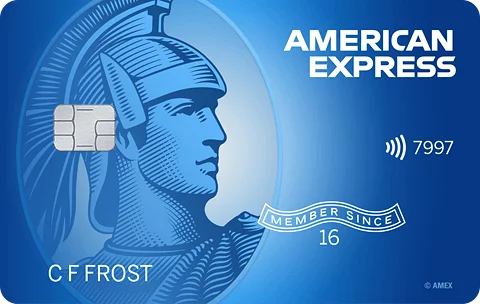
Blue Cash Everyday Card from American Express
Best broad no-annual-fee U.S. online retail cash back for apparel websites and apps
- Rewards
- 3% cash back on U.S. online retail purchases on up to $6,000 per year in purchases, then 1%, under current issuer terms.
- Annual fee
- $0
Pros
- Broad U.S. online retail category covers many apparel, shoe, and department-store website orders.
- No annual fee and a separate annual cap from supermarket and gas bonuses.
- Strong default for Nordstrom.com, Gap.com, and similar qualifying online checkout paths.
Cons
- Online retail rewards cap at $6,000 per year, then drop to 1%.
- In-store mall and boutique purchases do not qualify as online retail.
- American Express acceptance varies by merchant.
Issuer terms are authoritative. Card links may point to issuer pages or approved partners when available.
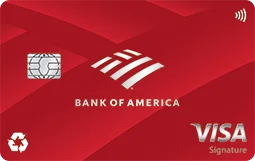
Bank of America Customized Cash Rewards Credit Card
Best selectable online shopping category when you buy clothing across multiple retailers
- Rewards
- 3% cash back in a choice category such as online shopping, with 2% grocery and wholesale club rewards, on the first $2,500 in combined quarterly purchases, then 1%.
- Annual fee
- $0
Pros
- Online shopping can be selected as the 3% category and Bank of America lists fashion retailers among examples.
- Flexible when your clothing spend spans Etsy, department stores, and brand sites.
- No annual fee under current issuer terms.
Cons
- The 3% and 2% rewards share a combined quarterly cap.
- Phone, mail, in-person, and in-store-paid online orders are excluded from online shopping.
- You must choose and manage the category under issuer rules.
Issuer terms are authoritative. Card links may point to issuer pages or approved partners when available.

Chase Freedom Flex Credit Card
Best in-store clothing card when department stores are in your activated 5% quarterly category
- Rewards
- 5% cash back on up to $1,500 in combined purchases in activated quarterly bonus categories, 3% on dining and drugstores, and 1% on other purchases under current Chase terms.
- Annual fee
- $0
Pros
- Department stores and PayPal have appeared in Chase rotating 5% categories — strong for mall and outlet hauls when activated.
- No annual fee and widely accepted at in-store apparel merchants.
- Useful backup for drugstore clothing lines and in-mall dining on the same trip.
Cons
- Requires quarterly activation and a $1,500 combined cap on 5% categories.
- Outside the active 5% quarter, most in-store clothing earns only 1%.
- Online apparel may be better on a dedicated online retail card instead.
Issuer terms are authoritative. Card links may point to issuer pages or approved partners when available.
Clothing rewards look simple until you compare a mall department store, a brand website, a warehouse-club apparel aisle, and a store-card checkout screen. The best card for a June wardrobe refresh is usually different online than in store — and neither path is guaranteed to earn a clothing-specific bonus.
What is the best credit card for clothing?
Split clothing by purchase channel. Use a 3% online retail or Online Shopping card for qualifying website and app apparel orders. Use Chase Freedom Flex when Department Stores are in your activated 5% quarterly category for in-store mall, outlet, and department-store purchases. When merchant category codes (MCCs), caps, or checkout paths are unclear, fall back to a flat 2% card. Madeen catalog analysis (snapshot 2026-06-01) shows 3,944 active personal cards but no category rule explicitly labeled clothing or apparel — only five cards carry explicit online-shopping or online-retail language — so channel and coding matter more than the word “fashion” on your receipt.
How should you compare clothing credit cards?
| Card | Best for | Clothing earn rate | Annual fee | Main caveat |
|---|---|---|---|---|
| Blue Cash Everyday | Online apparel websites | 3% U.S. online retail | $0 | $6,000 annual cap; in-store excluded |
| Bank of America Customized Cash Rewards | Multi-retailer Online Shopping | 3% Online Shopping choice | $0 | Quarterly combined cap with grocery/wholesale |
| Chase Freedom Flex | In-store Department Stores | 5% when category activated | $0 | Requires activation; $1,500 quarterly 5% cap |
Criteria before calling any card “best”: purchase channel (online vs in store), merchant coding, category activation, spending caps, and annual fees. See category caps when a bonus is capped quarterly or annually.
How do Department Stores differ from online apparel?
Department stores and standalone apparel retailers often code differently from the same brand’s website. An in-store swipe at Macy’s, Nordstrom, or JCPenney may post under a department-store or clothing MCC, while Nordstrom.com or Macys.com may qualify for online retail or Online Shopping bonuses on a different card.
That split drives the wallet strategy:
- In store: Chase Freedom Flex can win when Department Stores (or PayPal at eligible mall retailers) are in the active 5% quarter. Outside that window, most in-store clothing earns 1% on Freedom Flex — and a Capital One SavorOne-style flat 1% fallback is weaker than a dedicated 2% flat-rate card for general merchandise hauls.
- Online: Blue Cash Everyday’s U.S. online retail category and Bank of America’s selectable Online Shopping category cover many apparel sites — but only when checkout qualifies under issuer terms.
For a deeper online-only framework, read the online shopping guide. For bulk basics and socks-at-scale shopping, see warehouse clubs.
How do merchant category codes affect clothing rewards?
MCCs are codes payment networks assign to merchants. Issuers use them — plus their own merchant lists — to decide whether a purchase earns a bonus. A boutique, thrift shop, uniform supplier, or marketplace seller may code as general merchandise, specialty retail, or something else entirely.
Common clothing coding surprises:
- Outlet vs full-price store can share a brand but post different MCCs.
- Buy online, pay in store often loses online-shopping bonuses.
- Marketplace sellers on a department-store site may not code as the parent retailer.
- Alterations, gift cards, and shipping-only charges may not earn apparel bonuses.
When coding is uncertain, a flat 2% card beats guessing on a narrow category. For selected-category mechanics and merchant lists, see the clothing stores guide.
When do store cards beat general rewards cards?
A store card beats a general card when its store discount, loyalty multiplier, or promotional financing produces more net value than your best category card after caps. Examples:
- A retailer offering 5% off every purchase on its store card can beat a 3% online retail card if you shop that brand exclusively.
- Deferred-interest financing on a large wardrobe purchase may matter more than 2% Cash Back — but only if you understand the payoff terms.
- Co-branded cards at a favorite mall anchor can stack with in-store sales in ways general cards cannot.
- Outdoor and sporting-goods store cards such as the Sportsman’s Warehouse Explorewards Visa can beat a general card when you buy gear, ammo, and apparel at one chain year-round.
General cards win when you shop many brands, when caps limit your online bonus mid-year, or when a store card’s APR and deferred-interest risk outweigh modest discounts. Keep one broad online card and one in-store strategy card rather than opening a store card at every checkout counter.
How do caps change the clothing answer?
Caps turn a strong clothing-season card into a limited tool:
| Card | Cap shape | Practical takeaway |
|---|---|---|
| Blue Cash Everyday | 3% online retail up to $6,000 per year | Strong for spring and summer online hauls until the cap; switch cards afterward. |
| Bank of America Customized Cash Rewards | 3% choice + 2% grocery/wholesale share $2,500 per quarter | Grocery and wholesale spend can consume the cap before clothing does. |
| Chase Freedom Flex | 5% rotating categories up to $1,500 per quarter combined | Plan mall trips when Department Stores are the active category. |
If you are refreshing a whole household wardrobe online, check remaining cap headroom before a large order.
How does Madeen help at checkout?
Madeen is a free iPhone app that compares cards you already own against category rules locally — no bank login. For clothing, add your online retail card, your in-store rotating-category card, and your flat-rate fallback once, then check which wins before a mall trip or an apparel website checkout.
Madeen shows effective rate across your selected wallet; it does not track receipts or predict MCC coding. For edge cases — marketplace sellers, in-store pickup, or store-card financing — issuer terms still decide the final earn rate.
Related guides: Online shopping · Warehouse clubs · Clothing stores · Everyday purchases · Compare cash back, points, and miles
Related encyclopedia topics
Frequently asked questions
What is the best credit card for clothing?
Split clothing by channel: use a 3% online retail or online shopping card for qualifying website and app orders, and use Chase Freedom Flex when department stores are in your activated 5% quarter for in-store mall and outlet purchases. A flat 2% card is the fallback when merchant coding or caps are unclear.
Do online clothing orders count as online shopping rewards?
They can, but issuer definitions decide. American Express online retail and Bank of America online shopping both require qualifying website or app checkout paths. In-store pickup paid in store, phone orders, and some marketplace checkouts may not qualify.
Why does the same clothing store earn different rewards online vs in store?
Issuers treat purchase channel separately. A retailer with a website may code in-store swipes as department store or clothing merchant categories while online orders may qualify for online retail or online shopping bonuses — or earn base rate if the checkout path is excluded.
When does a store card beat a general rewards card for clothing?
A store card wins when its store discount, loyalty tier, or financing offer beats the net return of your best general card after caps and annual fees. For shoppers who split spend across many brands, a 3% online card plus a rotating 5% in-store card is often simpler.
How does Madeen help with clothing purchases?
Madeen compares the cards you already carry against category reward rules on your iPhone without bank login. Add your online and in-store cards once, then check which earns the highest effective rate before checkout at a mall, boutique, or apparel website.
Sources and notes
- Madeen analysis Madeen card catalog clothing, online retail, and department-store analysis - Madeen Accessed 2026-06-21.
- Issuer terms Blue Cash Everyday Card from American Express - American Express Accessed 2026-06-21.
- Issuer terms American Express retail rewards information - American Express Accessed 2026-06-21.
- Issuer terms Bank of America Customized Cash Rewards categories and exclusions - Bank of America Accessed 2026-06-21.
- Issuer terms Chase Freedom Flex Credit Card - Chase Accessed 2026-06-21.