Is Chase Sapphire Preferred or Sapphire Reserve Better in June 2026?
Chase Sapphire Preferred vs Reserve compared by annual fee, travel credits, lounge access, earning rates, and who should upgrade or stay at Preferred.
Madeen compares public issuer terms with its card-rule catalog. Issuer pages control rewards, fees, benefits, exclusions, and eligibility; Madeen does not issue cards, make approval decisions, or provide financial advice.
Chase Sapphire Preferred vs Chase Sapphire Reserve vs American Express at a glance

- Rewards
- 3X on dining and select categories, 2X on other travel, 5X on travel through Chase Travel under current Chase terms; $95 annual fee.
- Annual fee
- $95
Pros
- Much lower annual fee than Reserve.
- Still unlocks Chase Ultimate Rewards transfer partners.
- Easier to justify for moderate travel spend.
Cons
- No premium lounge network included.
- Lower travel credits and benefits than Reserve.
- Fewer premium protections compared with Reserve.
Issuer terms are authoritative. Card links may point to issuer pages or approved partners when available.

- Rewards
- 4X on flights and hotels booked direct, premium lounge access, travel credits, and a $795 annual fee under current Chase terms.
- Annual fee
- $795
Pros
- Premium travel benefits including lounge access when you will use them.
- Higher direct flight and hotel earning on qualifying bookings.
- Strong fit for frequent travelers already in the Chase ecosystem.
Cons
- High annual fee requires real use of credits and benefits.
- Poor value if you travel infrequently or skip lounges.
- Booking channel rules affect the highest multipliers.
Issuer terms are authoritative. Card links may point to issuer pages or approved partners when available.
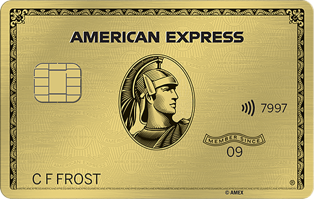
American Express® Gold
Dining and grocery counterpoint when Chase Ultimate Rewards is not the goal
- Rewards
- 4X Membership Rewards at restaurants and U.S. supermarkets on qualifying spend under current Amex terms.
- Annual fee
- $325
Pros
- Strong food-category earn that neither Sapphire matches at the same rate tier.
- Anchors restaurants and supermarkets while Sapphires handle travel.
- Membership Rewards transfer partners differ from Chase.
Cons
- Separate currency and fee stack from Chase cards.
- Not designed for airport lounge access.
- Fee math depends on credits you will actually use.
Issuer terms are authoritative. Card links may point to issuer pages or approved partners when available.
Chase Sapphire Preferred and Chase Sapphire Reserve sit in the same Ultimate Rewards family but target different travelers. Preferred is the moderate-fee flex card; Reserve is the premium travel card with lounge access and a much higher annual fee. The wrong choice is usually about paying for benefits you will not use.
How do these cards compare overall?
Is Chase Sapphire Preferred or Sapphire Reserve Better? adds a third lane so you can pick by segment — not one universal winner.
| Segment | Chase Sapphire Preferred Credit Card | Chase Sapphire Reserve Credit Card | American Express Gold |
|---|---|---|---|
| Annual fee | $95 | $795 | $325 |
| Top category | Dining | Travel | Dining |
| Madeen effective peak | 3% | 4% | 2.4% |
Pairwise depth lives on Madeen compare pages:
- Full Chase Sapphire Reserve Credit Card vs American Express Gold comparison
Is Chase Sapphire Preferred or Reserve better?
Sapphire Preferred is better for most travelers who want Chase points without premium-card math. Sapphire Reserve is better when you travel often enough to use lounge access, travel credits, and higher direct booking multipliers to offset a $795 annual fee.
Among Madeen’s catalog, only 43 travel-earning cards reach at least 3X or 3% on a travel rule — premium travel cards are a small slice of the market, which is why fee break-even matters more than headline perks.
How do Sapphire Preferred and Reserve compare?
| Sapphire Preferred | Sapphire Reserve | |
|---|---|---|
| Annual fee | $95 | $795 (verify current terms) |
| Direct flight/hotel earn | 2X other travel; 5X via Chase Travel (terms apply) | 4X on flights and hotels booked direct (terms apply) |
| Dining | 3X on dining including eligible delivery | Verify current Chase dining terms |
| Travel benefits | Core travel protections | Lounge access, larger credits, premium protections |
| Best for | Moderate travel + dining flex | Frequent premium travelers |
| Winner by segment | Fee-conscious Ultimate Rewards users | Heavy travelers using credits and lounges |
Verify all rates, credits, and exclusions on Chase’s official pages before applying.
When is Sapphire Preferred the better pick?
Stay with — or choose — Preferred when:
- You travel a few times per year, not monthly.
- You want transfer partners but cannot justify $795 in annual fees.
- Your spend mix includes dining and everyday travel, not just premium flights.
Use annual fee break-even math with conservative credit assumptions. A $95 card is easier to keep long term than a premium card you downgrade after one unused lounge year.
When is Sapphire Reserve the better pick?
Upgrade to Reserve when:
- You ** reliably use** lounge visits and travel credits each year.
- You book flights and hotels direct often enough for 4X earning to matter.
- You already value Chase Ultimate Rewards and want premium protections on top.
See our flights guide for how Reserve compares with other premium airfare cards — the fee tier is crowded, and Reserve is not automatically best for every flyer. For the cross-issuer premium tier, compare Amex Platinum vs Chase Sapphire Reserve.
Should you hold both Sapphire cards?
Usually no. Chase typically limits how many Sapphire cards make sense in one wallet, and the fees stack quickly. Most users pick one Sapphire tier plus complementary category cards (dining, groceries, flat-rate cash back).
If you downgrade from Reserve to Preferred, revisit your wallet in Madeen so category recommendations reflect the cards you still carry.
Which card wins for your next trip?
The winner depends on booking channel and benefits you will use, not the brand name:
- Portal-heavy travelers may care about Chase Travel multipliers.
- Direct-booking travelers may prioritize Reserve’s higher direct rates — if the price and terms beat the portal.
Madeen compares reward rules for cards you select when you pick a category like travel or dining — without bank login — so you can see which Sapphire card (or non-Chase card) wins before you pay.
For broader travel category context, read which credit card for travel and compare cash back, points, and miles.
Related encyclopedia topics
Frequently asked questions
Is Chase Sapphire Preferred or Reserve better?
Sapphire Preferred is better for moderate travelers who want Ultimate Rewards flexibility at a $95 fee. Sapphire Reserve is better for frequent travelers who will use lounge access, travel credits, and premium protections enough to justify a $795 fee.
Is Sapphire Reserve worth upgrading from Preferred?
Reserve is worth upgrading only if the travel credits, lounge visits, and extra earning you will actually use exceed the roughly $700 fee gap versus Preferred. If you travel once or twice a year, Preferred usually stays the better card.
Which Sapphire card has better travel rewards?
Reserve earns higher rates on qualifying direct flight and hotel bookings and includes premium travel benefits. Preferred earns strong but lower base travel multipliers with a much lower fee. Reserve wins on rate and perks; Preferred wins on fee break-even.
Do both cards share Chase Ultimate Rewards?
Yes. Both cards earn Ultimate Rewards points that can transfer to Chase partners when you hold either card, subject to current Chase program rules. The fee difference is mostly about benefits and earning rates, not the points currency itself.
Which card is better for dining?
Sapphire Preferred earns 3X on dining under current Chase terms. Reserve dining rates depend on current product terms — verify on Chase's site. For dining-only maximizers, a dedicated dining card may beat either Sapphire card after fees.
Sources and notes
- Issuer terms Chase Sapphire Preferred Credit Card - Chase Accessed 2026-06-01.
- Issuer terms Chase Sapphire Reserve Credit Card - Chase Accessed 2026-06-01.
- Madeen analysis Madeen card catalog travel reward analysis - Madeen Accessed 2026-06-01.
- Methodology Is a credit card annual fee worth it? - Madeen Accessed 2026-06-01.