Is Chase Freedom Unlimited or Wells Fargo Active Cash Better in June 2026?
Chase Freedom Unlimited vs Wells Fargo Active Cash compared on drugstore and dining bonuses, base earn, foreign fees, Ultimate Rewards flexibility, and flat 2% simplicity.
Madeen compares public issuer terms with its card-rule catalog. Issuer pages control rewards, fees, benefits, exclusions, and eligibility; Madeen does not issue cards, make approval decisions, or provide financial advice.
Freedom Unlimited vs Active Cash at a glance

Chase Freedom Unlimited®
3% drugstores and dining plus 1.5% base — best when lifestyle categories are a large share of spend
- Rewards
- 3% cash back on drugstores and dining, 5% on Chase Travel, 1.5% on other purchases under current Chase terms.
- Annual fee
- $0
Pros
- Higher uncapped rate on drugstores and dining
- Ultimate Rewards currency can pair with Sapphire
- Strong travel portal bonus
Cons
- Only 1.5% on general spend — below Active Cash's 2%
- Chase 5/24 and approval rules apply
- Category definitions controlled by issuer
Issuer terms are authoritative. Card links may point to issuer pages or approved partners when available.
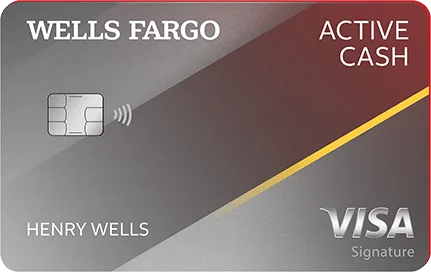
Wells Fargo Active Cash® Card
Flat 2% on every purchase — best when spend is spread across many merchants
- Rewards
- Unlimited 2% cash rewards on purchases; $0 annual fee.
- Annual fee
- $0
Pros
- Beats Freedom Unlimited's 1.5% base on mixed spend
- No category mental overhead
- Simple comparison for utilities and random merchants
Cons
- Lower than 3% on dining and drugstores
- No Chase transfer ecosystem
- Verify Wells Fargo eligibility
Issuer terms are authoritative. Card links may point to issuer pages or approved partners when available.

- Rewards
- 2% total — 1% on purchase plus 1% on payment — under current Citi terms.
- Annual fee
- $0
Pros
- Another 2% everywhere option
- Useful third row in comparison tables
- No annual fee
Cons
- Payment timing affects earn
- No 3% lifestyle buckets
- Verify Citi terms
Issuer terms are authoritative. Card links may point to issuer pages or approved partners when available.
Two of the most common no-annual-fee strategies are Chase’s tiered Freedom Unlimited and Wells Fargo’s flat 2% Active Cash. Madeen tracks both in a catalog of 3,944 U.S. cards (Card Rules; snapshot 2026-06-01). Compare per-card rules on the Freedom Unlimited card page, Active Cash card page, and Citi Double Cash card page when you want a flat-rate benchmark. The winner depends on how much of your budget hits 3% categories versus everything else at 1.5%.
Is Chase Freedom Unlimited or Wells Fargo Active Cash better?
Freedom Unlimited wins when drugstore, Dining, and Chase Travel purchases are a large share of your spend — or when you already hold Sapphire and want Ultimate Rewards flexibility. Active Cash wins when spend is spread evenly across merchants where Freedom Unlimited would only earn 1.5%, because 2% flat beats 1.5% on that volume.
How do Freedom Unlimited and Active Cash compare?
| Card | Drugstores / Dining | Travel (portal) | Everything else | Annual fee |
|---|---|---|---|---|
| Chase Freedom Unlimited | 3% | 5% on Chase Travel | 1.5% | $0 |
| Wells Fargo Active Cash | 2% | 2% | 2% | $0 |
Cross-check drugstore picks and Citi Double Cash vs Active Cash for capped 5% alternatives. Programmatic compare: /compare/chase-freedomunlimited-vs-wellsfargo-activecash/.
Who should choose Freedom Unlimited?
Pick Freedom Unlimited when:
- Dining and pharmacy runs are frequent (dining guide)
- You book through Chase Travel often
- You may add Sapphire Preferred later for point transfers
The break-even vs Active Cash happens when 3% categories are a large enough share of total spend to offset 1.5% on everything else.
Who should choose Active Cash?
Pick Active Cash when:
- Spend is mixed across utilities, insurance, and uncategorized merchants
- You want one default card without Chase ecosystem complexity
- You prefer cash rewards over point flexibility
See Reflect vs Active Cash if intro APR matters more than earn rates.
Can you hold both?
Yes — Freedom Unlimited for 3% buckets, Active Cash when you are unsure of category — or use Madeen at checkout to pick the higher effective rate automatically among owned cards.
How can Madeen help?
Madeen compares effective category rates among cards you already carry at checkout on iPhone — without bank login. On a $80 restaurant tab Freedom Unlimited’s 3% beats Active Cash’s 2%; on a $400 contractor payment Active Cash wins.
Flat-rate cluster: Freedom Flex vs Unlimited · Everyday purchases · How cash back works
Related encyclopedia topics
Frequently asked questions
Is Chase Freedom Unlimited or Wells Fargo Active Cash better?
Freedom Unlimited is better when drugstore, dining, and travel earn matter and you may pair it with a Sapphire card for Ultimate Rewards transfers. Active Cash is better when you want one flat 2% rate on every purchase without thinking about categories.
Does Freedom Unlimited really earn more than 2%?
On drugstores and dining it earns 3% under current Chase terms, and 5% on Chase Travel purchases. Everything else earns 1.5%. Active Cash earns 2% on all purchases. Mixed wallets often favor Freedom Unlimited; even-spend wallets favor Active Cash.
Which card has no foreign transaction fee?
Verify current issuer disclosures. Freedom Unlimited is often used by travelers in the Chase ecosystem; Active Cash terms should be checked on Wells Fargo's site for foreign transaction fees before international use.
Can you combine Freedom Unlimited with Sapphire?
Yes. Many holders pair Freedom Unlimited with Chase Sapphire Preferred or Reserve to transfer Ultimate Rewards to partners. Active Cash cash rewards do not participate in that Chase transfer ecosystem.
Which is better for pharmacy spend?
Freedom Unlimited earns 3% at drugstores under current Chase category definitions. Active Cash earns 2%. For heavy CVS/Walgreens spend, Freedom Unlimited wins on rate — see the drugstore guide for cap comparisons.
Sources and notes
- Issuer terms Chase Freedom Unlimited - Chase Accessed 2026-06-17.
- Issuer terms Wells Fargo Active Cash Card - Wells Fargo Accessed 2026-06-17.
- Madeen analysis Madeen card catalog analysis - Madeen Accessed 2026-06-17.