What Is the Best Credit Card for Paying Taxes in June 2026?
Best credit card for taxes in June 2026: IRS processor fees, net rewards after 1.85%–1.98% fees, 0% intro APR vs flat cash back, and when paying taxes with a card loses money.
Madeen compares public issuer terms with its card-rule catalog. Issuer pages control rewards, fees, benefits, exclusions, and eligibility; Madeen does not issue cards, make approval decisions, or provide financial advice.
What are the best credit cards for tax payments right now?
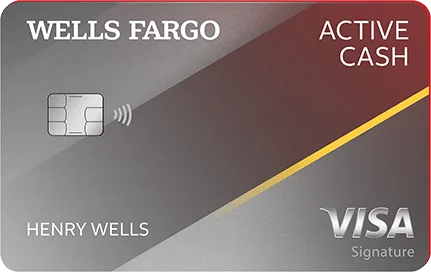
Wells Fargo Active Cash® Card
Simple 2% unlimited cash back when the processor fee is at or below your effective earn rate
- Rewards
- Unlimited 2% cash rewards on purchases; $0 annual fee under current Wells Fargo terms.
- Annual fee
- $0
Pros
- Flat 2% can break even against ~1.98% IRS processor fees.
- No category caps or activation calendars.
- $0 annual fee keeps the math simple.
Cons
- Does not beat the fee if your processor quotes above 2%.
- No intro 0% APR advantage for financing.
- Rewards are cash — not a path to premium travel redemptions.
Issuer terms are authoritative. Card links may point to issuer pages or approved partners when available.
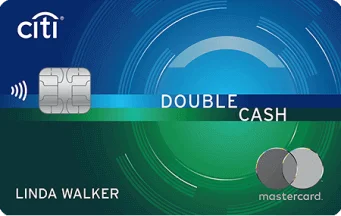
Citi Double Cash® Card
Flat-rate earn when you pay in full and want a strong everyday backup after tax season
- Rewards
- 2% on purchases (1% when you buy, 1% when you pay) under current Citi terms; $0 annual fee.
- Annual fee
- $0
Pros
- Effective 2% when balances are paid — aligns with processor-fee break-even.
- Strong post-tax-season everyday card.
- $0 annual fee.
Cons
- Must pay the balance to earn the full 2%.
- 3% foreign transaction fee.
- No intro 0% window on many offers — verify current terms.
Issuer terms are authoritative. Card links may point to issuer pages or approved partners when available.

Chase Freedom Unlimited®
Chase users who want 1.5% base plus dining and drugstore lanes after taxes are paid
- Rewards
- 1.5% on other purchases, 3% on dining and drugstores, 5% on Chase Travel; $0 annual fee.
- Annual fee
- $0
Pros
- Pools into Chase Ultimate Rewards with eligible Sapphire cards.
- Better everyday lanes after the tax payment.
- $0 annual fee.
Cons
- 1.5% base loses to ~2% processor fees unless you value UR transfers highly.
- Not the best pure tax-payment pick.
- 3% foreign transaction fee.
Issuer terms are authoritative. Card links may point to issuer pages or approved partners when available.
Paying federal taxes with a credit card sounds like free rewards — until the IRS payment-processor fee erases most of the upside. The right card depends on whether you are financing a balance or trying to earn more than the fee costs.
What is the best credit card for paying taxes?
The best card for taxes is whichever delivers net positive value after the processor fee — or a true 0% intro APR if you need short-term financing with a payoff plan. For rewards-only filers, a flat 2% Cash Back card is the usual break-even benchmark when processor fees sit near 1.85%–1.98%. Category bonuses rarely apply because tax payments code as government services, not groceries or travel.
How much does the IRS card fee cost?
| Payment channel | Typical fee (verify live) | Break-even reward rate |
|---|---|---|
| IRS card processor (debit) | Lower flat fee | Easier with 2% cards |
| IRS card processor (credit) | ~1.85%–1.98% | Needs ≥2% effective earn |
| State portals | Varies by state | Run local math |
Madeen catalog context: among U.S. consumer cards in the Madeen snapshot dated 2026-06-01, flat 2% unlimited Cash Back products are common — but none waive government processing fees automatically.
When does paying taxes with a card make sense?
Rewards break-even: Multiply tax owed by the processor fee percentage, then compare to rewards earned on the same dollars. A $5,000 tax payment at 1.98% costs $99 in fees — you need at least $99 in rewards value to come out ahead.
Intro 0% financing: If you cannot pay in full, a true intro-0% APR card can beat carrying tax debt at the IRS failure-to-pay rate — but only with a calendar payoff before the promo ends. Read how 0% APR credit cards work before using a card as a loan.
Sign-up bonus timing: A large tax payment can help meet minimum spend on a new card — model whether the bonus minus the processor fee still wins versus everyday spend. See evaluate a welcome bonus.
Which cards should you avoid for tax payments?
- Category bonus cards expecting 4%–5% on dining or travel — tax payments usually earn base rate only.
- Retail deferred-interest cards — not designed for IRS payments.
- Any card you cannot pay off when the goal is rewards, not financing.
How does Madeen help after tax season?
Madeen compares owned-card category effective rates on iPhone without bank login — useful once everyday spend resumes. For mixed carts (office supplies, software, travel), see everyday purchases, online shopping, and cash back vs points vs miles.
Related encyclopedia topics
Frequently asked questions
What is the best credit card for paying taxes?
Use a card whose rewards exceed the IRS payment-processor fee after you account for annual fees and caps. For many filers in 2026, a flat 2% cash back card breaks even near a 1.98% fee, while a 0% intro APR card can make sense when you need a short financing window — not for points chasing alone.
How much does it cost to pay taxes with a credit card?
IRS-authorized processors charge a percentage fee — commonly around 1.85%–1.98% for card payments as of mid-2026. That fee applies to the full tax amount, so a 2% rewards card barely clears the fee before interest risk.
Is paying taxes with a credit card worth it for points?
Usually only when the effective reward rate after the processor fee and any annual fee beats cash — and you pay the balance before interest accrues. Buying points or miles at 1.9¢ per dollar through tax fees rarely beats everyday spend bonuses.
Can you pay estimated taxes with a credit card?
Yes, through the same IRS payment channels that accept cards for annual balances and estimated payments. The processor fee still applies, so run the same net-value math before each quarter.
Should you use a 0% APR card for taxes?
A true intro-0% APR card can work when you have a documented payoff plan inside the promo window. See the 0% APR guide for deferred-interest traps on retail cards — tax payments should use a standard intro APR product, not a store promo.
Sources and notes
- Regulator Pay your taxes by debit or credit card - IRS Accessed 2026-06-19.
- Madeen analysis Madeen card catalog analysis - Madeen Accessed 2026-06-19.
- Issuer terms Wells Fargo Active Cash® Card - Wells Fargo Accessed 2026-06-19.