Is Wells Fargo Autograph or Chase Sapphire Preferred Better in June 2026?
Wells Fargo Autograph vs Chase Sapphire Preferred compared on annual fees, 3X categories, travel protections, point flexibility, and who should pick each mid-tier rewards card.
Madeen compares public issuer terms with its card-rule catalog. Issuer pages control rewards, fees, benefits, exclusions, and eligibility; Madeen does not issue cards, make approval decisions, or provide financial advice.
Wells Fargo Autograph vs Sapphire Preferred vs Active Cash at a glance
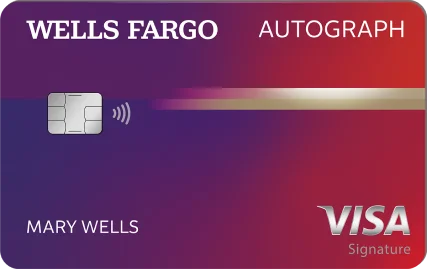
Wells Fargo Autograph℠ Card
No-annual-fee 3X on dining, gas, transit, streaming, and phone plans
- Rewards
- 3X points on restaurants, gas and EV charging, transit, popular streaming services, and phone plans; 1X elsewhere under current Wells Fargo terms; $0 annual fee.
- Annual fee
- $0
Pros
- $0 annual fee with broad 3X everyday lanes.
- Strong for commuters, streamers, and dining without paying Sapphire's fee.
- Points redeem for travel, gift cards, and cash under Wells Fargo Rewards rules.
Cons
- No Chase Ultimate Rewards transfer partners.
- Travel protections are thinner than Sapphire Preferred's package.
- Wells Fargo relationship rules may apply for some applicants.
Issuer terms are authoritative. Card links may point to issuer pages or approved partners when available.

Chase Sapphire Preferred® Card
Flexible Chase Ultimate Rewards travel redemptions and stronger trip protections
- Rewards
- 5X on Chase Travel, 3X on dining and select streaming, 2X on other travel, 1X elsewhere; points transfer to airline and hotel partners under current Chase terms; $95 annual fee.
- Annual fee
- $95
Pros
- Chase Ultimate Rewards transfers can boost point value for travel.
- Stronger travel insurance and purchase protections than most no-fee cards.
- Pairs with Freedom cards for boosted redemption value.
Cons
- $95 annual fee needs travel or dining volume to justify.
- Subject to Chase application rules many frequent applicants watch.
- Everyday 3X lanes are narrower than Autograph's bundled categories.
Issuer terms are authoritative. Card links may point to issuer pages or approved partners when available.
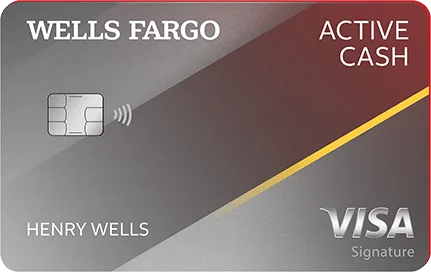
Wells Fargo Active Cash® Card
Simple uncapped 2% cash back when you do not want category tracking
- Rewards
- Unlimited 2% cash rewards on purchases under current Wells Fargo terms; $0 annual fee.
- Annual fee
- $0
Pros
- Easiest math — 2% everywhere without category calendars.
- Useful third option when Autograph's 3X lanes do not fit.
- $0 annual fee flat-rate fallback for non-bonus spend.
Cons
- No elevated travel multipliers or transfer partners.
- Does not beat 3X Autograph in its bonus lanes.
- Foreign transaction fee applies under current Wells Fargo terms.
Issuer terms are authoritative. Card links may point to issuer pages or approved partners when available.
Short answer: Wells Fargo Autograph is better if you want $0 Annual fee and 3X points on Dining, Gas, transit, streaming, and phone plans without managing Chase’s Travel stack. Chase Sapphire Preferred is better when you will use Chase Ultimate Rewards transfers, the Chase Travel earn boost, and trip protections enough to justify a $95 Annual fee. Pick by whether you optimize everyday categories or flexible Travel redemptions.
Wells Fargo Autograph vs Chase Sapphire Preferred — who wins?
| Card | Annual fee | Top earn lanes | Best for |
|---|---|---|---|
| Wells Fargo Autograph | $0 | 3X Dining, Gas/EV, transit, streaming, phone plans | Everyday 3X without a fee |
| Chase Sapphire Preferred | $95 | 5X Chase Travel, 3X Dining & streaming, 2X Travel | UR transfers and trip insurance |
| Wells Fargo Active Cash | $0 | 2% everywhere | Flat-rate simplicity |
Madeen’s catalog includes both cards with overlapping 3X Dining language but different redemption ecosystems — Autograph stays inside Wells Fargo Rewards while Sapphire Preferred unlocks the Chase Ultimate Rewards partner map.
When does Wells Fargo Autograph win?
Autograph fits everyday spenders who want multiple 3X lanes without paying an Annual fee:
- Commuters benefiting from transit and Gas multipliers.
- Streamers paying recurring services that code in Wells Fargo’s streaming list.
- Dining-heavy households that will not chase airline transfers.
The tradeoff is redemption flexibility. Autograph points are valuable, but they do not plug into Chase’s airline and hotel transfer partners the way Sapphire Preferred does.
When does Chase Sapphire Preferred win?
Sapphire Preferred fits Travel-minded users who already book through Chase or transfer to partners:
- 5X on Chase Travel purchases under current Chase terms.
- Trip cancellation/interruption and rental car coverage tiers that exceed most no-fee cards — verify Guide to Benefits for your account.
- Stacking Freedom Flex or Freedom Unlimited points into higher-value redemptions.
If you fly twice a year and dine out often, the $95 fee can pencil out. If you rarely redeem for Travel, Autograph’s $0 fee is harder to beat on math alone.
What about Wells Fargo Active Cash as a third option?
Active Cash is the simplicity pick: 2% everywhere with no category calendar. Use it when:
- A purchase does not fit Autograph’s 3X lanes.
- You do not want to track Chase portals or transfer partners.
- You need a Wells Fargo flat-rate companion to Autograph.
See Citi Double Cash vs Wells Fargo Active Cash for more flat-rate context.
How do I choose between Autograph and Sapphire Preferred?
- List your top three spend categories for the next 12 months.
- Price the Annual fee — will you get $95+ in extra value from Sapphire’s Travel stack?
- Check issuer rules — Chase application timing may matter if you plan more Chase cards soon (CSP score guide).
- Run your wallet in Madeen at checkout — the winner for your cards may be a Freedom 5% quarter or a flat 2% card even if Autograph or CSP looks best on paper.
Related comparisons
- Citi Strata Premier vs Chase Sapphire Preferred — another mid-tier Travel matchup
- Chase Sapphire Preferred vs Reserve — step up within Chase
- Which credit card for travel — category hub
Related encyclopedia topics
Frequently asked questions
Is Wells Fargo Autograph better than Chase Sapphire Preferred?
Autograph wins on $0 annual fee and broad 3X everyday categories. Sapphire Preferred wins when you value Chase Ultimate Rewards transfers, the Chase Travel portal boost, and stronger trip protections enough to pay $95 per year.
Does Wells Fargo Autograph have an annual fee?
Wells Fargo markets the Autograph Card with a $0 annual fee under current public terms. Verify on Wells Fargo's site before you apply because offers change.
Can you transfer Wells Fargo Autograph points to airlines?
Wells Fargo Rewards points on Autograph redeem through Wells Fargo's travel, gift card, and cash options. They do not transfer to the same airline and hotel partner network as Chase Ultimate Rewards.
Which card is better for dining and streaming?
Both earn elevated rates on dining and streaming under current issuer materials. Autograph bundles more everyday 3X lanes at $0 annual fee. Sapphire Preferred adds Chase's travel redemption stack if you already plan to book through Chase or transfer points.
Sources and notes
- Issuer terms Wells Fargo Autograph Card - Wells Fargo Accessed 2026-06-12.
- Issuer terms Chase Sapphire Preferred - Chase Accessed 2026-06-12.
- Issuer terms Wells Fargo Active Cash Card - Wells Fargo Accessed 2026-06-12.
- Madeen analysis Madeen card catalog Wells Fargo and Chase travel-card analysis - Madeen Accessed 2026-06-12.