How Do Credit Card Foreign Transaction Fees Work in June 2026?
Foreign transaction fees explained: what counts as foreign, typical 3% cost, no-FTF travel cards, DCC traps, and how rewards math changes abroad.
Madeen compares public issuer terms with its card-rule catalog. Issuer pages control rewards, fees, benefits, exclusions, and eligibility; Madeen does not issue cards, make approval decisions, or provide financial advice.
Which travel cards waive foreign transaction fees?

Chase Sapphire Preferred Card
Travel points with no foreign transaction fees on eligible international purchases
- Rewards
- Chase markets no foreign transaction fees on the Sapphire Preferred under current terms, plus bonus categories on travel and dining.
- Annual fee
- $95
Pros
- No foreign transaction fees per current Chase marketing.
- Strong travel and dining multipliers for many U.S. trips abroad.
- Points transfer to airline and hotel partners when you redeem strategically.
Cons
- $95 annual fee under current Chase terms.
- Point value depends on redemption path.
- Approval and credit limit are issuer decisions — Madeen does not prequalify.
Issuer terms are authoritative. Card links may point to issuer pages or approved partners when available.

Capital One Venture Rewards Credit Card
Simple miles earning with no foreign transaction fees on international spend
- Rewards
- Capital One advertises no foreign transaction fees on Venture purchases under current terms, with miles on every purchase.
- Annual fee
- $95
Pros
- Capital One historically emphasizes no foreign transaction fees on many cards.
- Flat miles rate simplifies mixed-category trips.
- Travel statement credits and transfer partners per current issuer terms.
Cons
- Annual fee applies under current Capital One terms.
- Miles value varies by redemption.
- Verify current Venture benefits before applying.
Issuer terms are authoritative. Card links may point to issuer pages or approved partners when available.
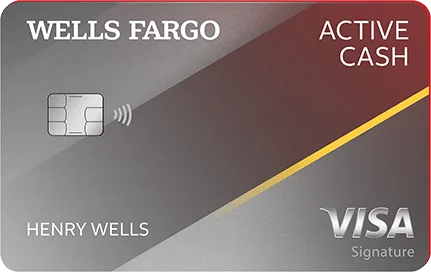
Wells Fargo Active Cash Card
No-annual-fee 2% cash back with no foreign transaction fees for budget travel
- Rewards
- Wells Fargo markets no foreign transaction fees and unlimited 2% cash rewards on purchases under current Active Cash terms.
- Annual fee
- $0
Pros
- No annual fee under current Wells Fargo terms.
- No foreign transaction fees per issuer marketing — strong budget travel default.
- Simple cash back without category tracking.
Cons
- 2% may trail premium travel multipliers on flights and hotels.
- No lounge access or travel credits.
- Issuer terms and eligibility apply.
Issuer terms are authoritative. Card links may point to issuer pages or approved partners when available.
A foreign transaction fee is an extra charge — often about 3% — that some credit cards add when a purchase is processed through a foreign bank or in a non-U.S. dollar currency. On a $500 overseas hotel charge, that fee alone can cost $15, which is enough to wipe out a 2% cash-back earn rate on the same transaction.
Madeen’s catalog tracks 3,944 U.S. consumer cards with 1,842 Travel-tagged reward rules (Card Rules). Before you swipe abroad, check whether your wallet includes a No foreign transaction fee card — then pick the best category multiplier among those cards.
What is a foreign transaction fee on a credit card?
A foreign transaction fee is a surcharge listed in your Cardholder Agreement that applies to eligible international or foreign-processed transactions. Issuers commonly describe it as a percentage of the U.S. dollar transaction amount after network conversion.
The fee is separate from interest (APR) and separate from dynamic currency conversion markups at the register. You can owe a foreign transaction fee even when you pay your statement balance in full.
| Fee type | What it usually costs | Where to verify |
|---|---|---|
| Foreign transaction fee | Often ~3% on cards that charge it | Cardholder Agreement / product page |
| Dynamic currency conversion | Hidden spread in the displayed USD price | Merchant receipt; choose local currency |
| Purchase APR | Applies only if you carry a balance | APR guide |
When do foreign transaction fees apply?
Foreign transaction fees typically apply when:
- You buy in person while traveling outside the United States.
- An online merchant processes the payment through a foreign acquirer.
- A subscription bills in a foreign currency even if the website looks U.S.-based.
Cards marketed with no foreign transaction fees are designed to waive that surcharge on eligible purchases. Wording varies by issuer — verify your specific card before a trip.
How do foreign transaction fees affect rewards math?
Rewards only win after fees and APR costs. Example: a card earns 2% Cash Back but charges a 3% foreign transaction fee. On a $100 foreign purchase, the fee is about $3 while rewards are $2 — a net loss before interest.
Premium Travel cards often pair no foreign transaction fees with stronger travel multipliers. The comparison should be net:
- Subtract the foreign transaction fee (if any).
- Add the category reward at your realistic redemption value.
- Ignore headline multipliers on cards that still charge 3% abroad.
For point cards, convert earn rates using how to value credit card points before assuming 3x beats 2% Cash Back.
What is dynamic currency conversion?
Dynamic currency conversion (DCC) lets a foreign merchant or ATM display a price in U.S. dollars. The convenience usually comes with a poor exchange rate. Paying in the local currency and letting your card network convert is typically cheaper.
DCC is not the same as a foreign transaction fee, but both can hit the same purchase. Decline DCC, use a no-FTF card when possible, and keep receipts until the charge posts.
Which credit cards have no foreign transaction fees?
Many Travel and premium cards waive foreign transaction fees; several no-annual-fee cash-back cards do as well. Chase, Capital One, and Wells Fargo each market no-FTF language on popular products — confirm on the issuer page before you rely on it.
| Card | Annual fee (current marketing) | Foreign transaction fee | Best for |
|---|---|---|---|
| Chase Sapphire Preferred | $95 | None per Chase terms | Travel + dining points abroad |
| Capital One Venture | $95 | None per Capital One terms | Simple miles on all purchases |
| Wells Fargo Active Cash | $0 | None per Wells Fargo terms | Budget 2% Cash Back Travel |
See the travel card guide for category multipliers on flights and hotels, and summer travel cards for seasonal trip planning.
Should you get a new card just for foreign transaction fees?
Only if you spend enough abroad to justify a new account and annual fee. A single vacation may be cheaper with a no-FTF card you already carry than with a new application that adds a hard inquiry.
If you are building credit first, read when you are ready for a rewards card before adding a Travel product solely for fee waivers.
How can Madeen help abroad?
Madeen compares cards you already carry by category — including travel — without bank login. Before an international trip, add your no-FTF cards and tap the category you expect (Travel, dining, or everyday). Madeen surfaces the strongest eligible multiplier locally so you do not memorize fee waivers at the register.
Madeen does not convert currency, quote exchange rates, or guarantee merchant coding. It helps you pick among owned cards using the same Card Rules data published on Madeen.
For U.S. gas stations before a road trip to Canada or Mexico, pair this guide with which credit card to use for gas. For sports or concert Travel abroad, see sports tickets and the concerts hub.
Related encyclopedia topics
Frequently asked questions
What is a foreign transaction fee on a credit card?
A foreign transaction fee is an extra charge — often about 3% of the purchase — that some issuers add when a transaction is processed through a foreign bank or in a non-U.S. dollar currency. Many travel-oriented cards waive this fee; always read your Cardholder Agreement for the exact definition and rate.
Do I pay a foreign transaction fee if I shop online from a U.S. website?
Sometimes. If the merchant or payment processor routes the charge through a foreign bank, a card with a foreign transaction fee may still assess the surcharge even though you are shopping from home. Cards marketed with no foreign transaction fees are designed to avoid that surprise on eligible international purchases.
How much is a typical foreign transaction fee?
Many issuers charge about 3% of the transaction amount, though the exact percentage is in your account terms. On a $200 overseas dinner, a 3% fee is $6 before rewards — enough to erase a 2% cash-back earn rate on that purchase.
What is dynamic currency conversion and should I use it?
Dynamic currency conversion lets a foreign merchant or ATM show a charge in U.S. dollars at checkout. The rate is usually worse than your card network's conversion, and you may still owe a foreign transaction fee on some cards. Paying in the local currency and letting your card network convert is usually cheaper.
Which credit cards have no foreign transaction fees?
Many travel and premium cards waive foreign transaction fees, along with a growing set of no-annual-fee cash-back cards. Verify the current waiver on each issuer's product page before relying on it for a trip.
Sources and notes
- Issuer terms Chase Sapphire Preferred pricing and terms - Chase Accessed 2026-06-05.
- Issuer terms Capital One Venture Card - Capital One Accessed 2026-06-05.
- Issuer terms Wells Fargo Active Cash Card - Wells Fargo Accessed 2026-06-05.
- Madeen analysis Madeen U.S. consumer card catalog travel category counts - Madeen Accessed 2026-06-05.
- Methodology What is APR on a credit card? - Madeen Accessed 2026-06-05.