Cash Back Card vs Travel Card: Which Should You Pick in June 2026?
Cash back vs travel credit cards compared on redemption simplicity, annual fees, category bonuses, transfer partners, and who should pick flat cash back versus points and miles.
Madeen compares public issuer terms with its card-rule catalog. Issuer pages control rewards, fees, benefits, exclusions, and eligibility; Madeen does not issue cards, make approval decisions, or provide financial advice.
Cash back vs travel card examples at a glance
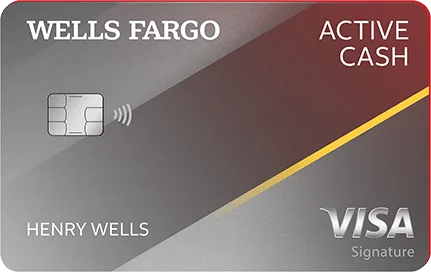
Wells Fargo Active Cash® Card
Cash back simplicity — unlimited 2% without category homework
- Rewards
- Unlimited 2% cash rewards on purchases; $0 annual fee.
- Annual fee
- $0
Pros
- Predictable value — no transfer-partner homework.
- $0 annual fee.
- Strong default when travel redemptions are uncertain.
Cons
- No lounge access or travel credits.
- Lower ceiling than optimized points redemptions.
- Does not pool into airline programs.
Issuer terms are authoritative. Card links may point to issuer pages or approved partners when available.

Chase Sapphire Preferred® Card
Travel card when you use Chase Travel or transfer partners above 1.25¢ per point
- Rewards
- 2x on travel purchased through Chase Travel, 3x on dining, select streaming, and online grocery; points transfer to partners; $95 annual fee.
- Annual fee
- $95
Pros
- Transfer partners can beat 2% cash back on flights and hotels.
- Travel and dining multipliers fit frequent travelers.
- Pairs with Freedom cards for boosted earn.
Cons
- $95 annual fee needs annual break-even.
- Points value varies — not as simple as cash back.
- Travel purchased outside Chase portals may earn less.
Issuer terms are authoritative. Card links may point to issuer pages or approved partners when available.

- Rewards
- 2% total on purchases when paid (1% buy + 1% pay); $0 annual fee.
- Annual fee
- $0
Pros
- Honest cash back without travel complexity.
- Complements a travel card for non-bonus spend.
- $0 annual fee.
Cons
- Requires paying the balance for full 2%.
- No native airline transfer story.
- 3% foreign transaction fee.
Issuer terms are authoritative. Card links may point to issuer pages or approved partners when available.
Choosing between a Cash Back card and a Travel card is really a choice between simplicity and upside. Cash back pays you in dollars you can predict. Travel cards pay in points that might be worth more — or less — depending on how you redeem.
Cash Back card vs Travel card: which wins?
Cash back cards win when you want statement credits, simple budgeting, and no Annual fee options that still earn 2% or better on everyday spend. Travel cards win when you fly or stay often, will use credits and partners, and can redeem above 1¢ per point consistently. Neither is universally better — the right pick follows your redemption behavior, not marketing labels.
How do Cash Back and Travel cards compare?
| Factor | Cash back card | Travel card |
|---|---|---|
| Redemption | Statement credit / deposit | Portal, partners, cash-out floor |
| Value predictability | High | Depends on redemption skill |
| Annual fee | Often $0 | Often $95–$695 |
| Best for | Simplicity, beginners | Frequent travelers |
| Risk | Leaving value on table vs partners | Devaluations, unused credits |
Madeen catalog context: in the Madeen snapshot dated 2026-06-01, Cash Back and points/miles currencies both appear across thousands of U.S. consumer cards — the split is roughly even among products marketed as Travel rewards versus straight Cash back.
When should you pick Cash Back?
Pick Cash back if you do not book flights monthly, dislike tracking transfer partners, or want one card with no Annual fee math. Flat 2% unlimited cards are the benchmark — see Citi Double Cash vs Wells Fargo Active Cash.
When should you pick a Travel card?
Pick a Travel card when annual credits (Travel, dining, lounge) plus category multipliers clear the fee on spend you already have. Read Chase Sapphire Preferred vs Reserve for mid-tier versus premium Travel tradeoffs, and compare cash back, points, and miles for currency math.
Can you hold both?
Yes — a common stack is Travel card for dining and Travel, a gas card for fuel, and Cash Back for everything else. Madeen picks the category winner among owned cards at checkout without bank login. For reward-currency math before you split the stack, read compare cash back, points, and miles.
What about credit score requirements?
Travel cards often expect good to excellent credit. Check what credit score you need for a rewards card and product guides like Sapphire Preferred score benchmarks before applying.
Related encyclopedia topics
Frequently asked questions
Is a cash back card or travel card better?
Cash back cards win when you want simple statement credits and predictable value. Travel cards win when you fly or stay often enough to use transfer partners or portal redemptions above 1¢ per point — and you will track annual fees and caps.
Are travel credit cards worth the annual fee?
Only when credits, lounge access, or elevated earn rates you will actually use exceed the fee. Cash back cards with $0 annual fee avoid that break-even exercise entirely.
Can you use a travel card like cash back?
Many programs offer cash-equivalent redemptions at 1¢ per point or less — which can undercut a good flat cash back card. Travel cards shine when you redeem above that floor through partners or sales.
Should beginners start with cash back or travel?
Most beginners should start with a no-annual-fee cash back card, pay in full, then add a travel card after spend patterns justify the fee. See when you are ready for a rewards card.
How does Madeen compare cash back and travel cards?
Madeen ranks owned cards by category effective rate on iPhone — whether the currency is cash back or points — so you pick the highest real return at checkout without memorizing each program.
Sources and notes
- Madeen analysis Madeen card catalog analysis - Madeen Accessed 2026-06-19.
- Issuer terms Wells Fargo Active Cash® Card - Wells Fargo Accessed 2026-06-19.
- Issuer terms Chase Sapphire Preferred® Credit Card - Chase Accessed 2026-06-19.