What Is the Best Credit Card for Prime Day in June 2026?
Prime Day 2026 rewards stack: Prime Visa for Amazon.com spend, category cards for non-Amazon retailers, and how to compare effective rates before early deals go live.
Madeen compares public issuer terms with its card-rule catalog. Issuer pages control rewards, fees, benefits, exclusions, and eligibility; Madeen does not issue cards, make approval decisions, or provide financial advice.
What are the best cards for Prime Day shopping?
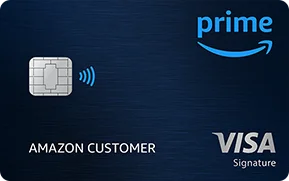
- Rewards
- 5% back at Amazon.com and Whole Foods Market for eligible Prime members; 2% at restaurants, gas stations, and drugstores; 1% elsewhere under current Chase terms; $0 annual fee.
- Annual fee
- $0
Pros
- Highest published Amazon.com earn for qualifying Prime members.
- No annual fee on the card itself — Prime membership is separate.
- Useful year-round beyond Prime Day for Amazon and Whole Foods spend.
Cons
- Requires eligible Prime membership for the 5% rate.
- Lower earn outside Amazon ecosystem categories.
- Chase product rules and approval requirements apply.
Issuer terms are authoritative. Card links may point to issuer pages or approved partners when available.

- Rewards
- 5% on quarterly rotating categories up to the spend cap after activation; 3% on dining and drugstores; 1% elsewhere under current Chase terms; $0 annual fee.
- Annual fee
- $0
Pros
- 5% activated categories can beat flat-rate cards during bonus quarters.
- Pairs with Sapphire cards for boosted Ultimate Rewards value.
- No annual fee.
Cons
- Requires quarterly activation and a spend cap.
- Amazon is only best when it is the active 5% category.
- 1% base rate on non-bonus spend.
Issuer terms are authoritative. Card links may point to issuer pages or approved partners when available.
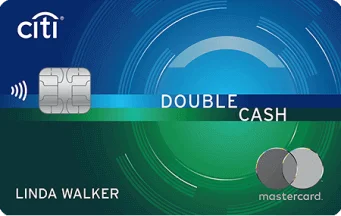
- Rewards
- 2% total cash back on purchases when you pay at least the minimum due on time under current Citi terms; $0 annual fee.
- Annual fee
- $0
Pros
- Simple 2% on non-Amazon retailers running parallel sales.
- No category activation calendar.
- Strong catch-all when no bonus category applies.
Cons
- Loses to Prime Visa on Amazon.com for eligible members.
- Pay-to-earn structure — carrying a balance reduces rewards.
- 3% foreign transaction fee.
Issuer terms are authoritative. Card links may point to issuer pages or approved partners when available.
Prime Day is Amazon’s biggest sale window — and rising U.S. search interest in June 2026 means shoppers are already comparing cards before early deals appear. The best card depends on where you check out: Amazon.com, Whole Foods, or rival retailers running parallel sales.
What is the best credit card for Prime Day?
Prime Visa is usually the best card for Amazon.com and Whole Foods purchases when you are an eligible Prime member, because it earns 5% back on those channels under current Chase terms. For non-Amazon retailers during Prime Day week, use whichever owned card has the highest online-shopping or flat-rate multiplier — often a 2% cash-back card or an activated 5% rotating category.
Madeen’s catalog includes 3,944 U.S. cards with category and cap metadata (Card Rules); Prime Day is a reminder to match merchant to multiplier, not to assume one card wins every cart.
Prime Day card comparison table
| Card | Amazon.com earn | Other online retail | Annual fee | Best for |
|---|---|---|---|---|
| Prime Visa | 5% (eligible Prime) | 1% base | $0 | Amazon-heavy carts |
| Chase Freedom Flex | 5% only in bonus quarters | 5% when category active | $0 | Activated category quarters |
| Citi Double Cash | 2% if you skip Prime Visa | 2% flat | $0 | Mixed merchants |
See the evergreen hub: which credit card for Amazon purchases and the June 2026 Amazon monthly spoke.
Stack sale prices with card rewards — not financing traps
Prime Day headlines combine sale discounts, coupon codes, and card earn. Avoid deferred-interest store financing unless you will pay the balance in full before the promo ends. For offer mechanics, read card-linked offers explained.
Prime Day vs other sale events
Prime Day recurs annually — the same decision framework applies to Black Friday shopping cards and back-to-school spend. Durability matters: this guide stays useful after the event because Amazon shopping is year-round.
How Madeen helps during Prime Day
Carts often split across Amazon, Target, and Best Buy in the same week. Madeen ranks owned cards by effective category rate at checkout — no bank login required. Try Madeen on iPhone.
Related encyclopedia topics
Frequently asked questions
What is the best credit card for Prime Day?
For purchases on Amazon.com, the Prime Visa is usually the headline pick for eligible Prime members because it earns elevated cash back on Amazon and Whole Foods under current Chase terms. For deals at other retailers during Prime Day week, use whichever owned card has the highest online-shopping or category multiplier.
When is Prime Day 2026?
Amazon typically announces exact dates shortly before the event. Rising search interest in June 2026 points to early-summer timing — confirm dates on Amazon's official Prime Day page before you plan large purchases.
Should I use a store card or a rewards card on Prime Day?
Compare the effective earn rate after any financing traps. A general rewards card with strong online-shopping or flat-rate cash back often beats a deferred-interest store offer unless you pay in full and the promo rate is genuinely higher.
Do Amex Offers or Chase Offers stack with Prime Day?
Card-linked offers can stack with sale prices when the merchant and category qualify. Activate offers before checkout and pay with the linked card — verify issuer terms for exclusions.
Does Madeen pick the best card at checkout?
Yes. Madeen ranks cards you already own by category effective rate without bank login — useful when Prime Day carts mix Amazon, Target, and other merchants.
Sources and notes
- Issuer terms Amazon Prime Rewards Visa Signature Card
- Issuer terms Chase Freedom Flex
- Issuer terms Citi Double Cash Card
- Madeen analysis Madeen online-shopping category analysis - Madeen