What Is the Best Credit Card for Transit and Commuting in May 2026?
Compare the best credit cards for transit, commuting, rideshare, parking, and tolls using issuer category rules, annual fees, and a flat-rate fallback.
Madeen compares public issuer terms with its card-rule catalog. Issuer pages control rewards, fees, benefits, exclusions, and eligibility; Madeen does not issue cards, make approval decisions, or provide financial advice.
What are the best credit cards for transit and commuting right now?
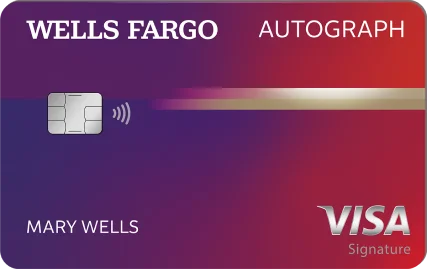
- Rewards
- Unlimited 3X points on transit, including subways, ride shares, parking, tolls and more, plus 3X in several other everyday categories.
- Annual fee
- $0
Pros
- Broad transit category with no annual fee.
- Issuer terms include passenger railway, taxis, limousines, ferries, toll bridges and highways, parking lots, and garages.
- Also earns 3X on gas, EV charging, dining, travel, streaming, and phone plans.
Cons
- Rewards are points, so redemption value depends on how you use Wells Fargo Rewards.
- Merchant category coding still decides whether a specific commuter purchase qualifies.
- Does not add the premium travel credits some annual-fee cards include.
Issuer terms are authoritative. Card links may point to issuer pages or approved partners when available.
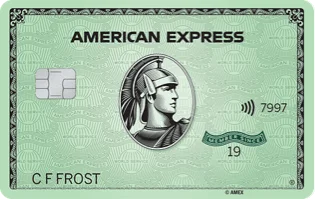
American Express Green Card
Best for people who can use 3X transit, 3X travel, and the card's travel credits
- Rewards
- 3X Membership Rewards points on transit, including trains, taxicabs, rideshare services, ferries, tolls, parking, buses, and subways, plus 3X on travel and restaurants.
- Annual fee
- $150
Pros
- Transit definition is broad and explicitly includes rideshare, tolls, parking, buses, and subways.
- Also strong for travel purchases and restaurants.
- Can be valuable for commuters who also redeem Membership Rewards well.
Cons
- Annual fee means the transit rewards need enough value to justify the card.
- Membership Rewards value depends on redemption method.
- American Express acceptance can be less universal than Visa in some transit or parking situations.
Issuer terms are authoritative. Card links may point to issuer pages or approved partners when available.
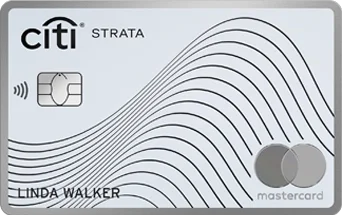
Citi Strata Card
Best no-annual-fee transit card if Citi ThankYou points and supermarket or gas categories fit your wallet
- Rewards
- 3 points per dollar on select transit, gas and EV charging stations, and supermarkets, plus 5X on eligible Citi Travel bookings and 2X at restaurants under current Citi materials.
- Annual fee
- $0
Pros
- No annual fee and a published select-transit category.
- Also earns elevated points at supermarkets and gas or EV charging stations.
- Useful if Citi ThankYou point redemptions fit your rewards setup.
Cons
- ThankYou point value depends on redemption method.
- Restaurants earn 2X rather than the 3X offered by some competing cards.
- Citi's select-transit exclusions and merchant coding still matter.
Issuer terms are authoritative. Card links may point to issuer pages or approved partners when available.
Commuting rewards are easy to miss because the purchase may be small, automatic, or split across several merchants. A weekly subway pass, monthly parking garage, toll account, rideshare commute, commuter rail ticket, or bus fare can all point to different card rules.
The short version: use a transit bonus card when the card’s terms clearly cover your commute. If the commute is actually gas, EV charging, airfare, a travel portal, or a merchant that posts oddly, compare it with that category or your best flat-rate card instead.
Which credit card should you use for transit and commuting?
Use the card in your wallet with the highest reliable return for the exact commuting merchant. A no-annual-fee 3X transit card is the clean benchmark for many people. An annual-fee travel card can win only if you also get enough value from its other categories, credits, protections, or points.
Madeen’s current in-app fallback catalog shows why the answer is narrower than “use a travel card.” Across 3,944 cards, 27 cards have reward-rule language that explicitly mentions transit, rideshare, parking, tolls, trains, buses, subways, ferries, or taxis. Those cards account for 33 matching reward rules.
The fee split is important. Only 9 of those explicit transit cards have a $0 annual fee in the catalog, while 15 have annual fees of at least $95. That makes annual-fee break-even math central for commuters who are not already using the card’s other benefits.
What are the best credit cards for transit and commuting right now?
The best commuting card depends on whether you want a broad no-fee benchmark, transferable-points potential, or another no-fee points card that also handles supermarkets and gas:
- Wells Fargo Autograph Card: best no-annual-fee transit benchmark because Wells Fargo lists unlimited 3X points on transit examples such as subways, ride shares, parking, and tolls.
- American Express Green Card: best when you can use 3X Membership Rewards points on transit, travel, and restaurants well enough to justify the annual fee.
- Citi Strata Card: best no-annual-fee alternative if Citi ThankYou points, select transit, supermarkets, and gas or EV charging fit the rest of your wallet.
Issuer terms are authoritative. Before applying for a new card or changing a recurring transit pass, verify the current rewards, annual fee, point-redemption rules, category definitions, and exclusions on the issuer page.
Do rideshare, tolls, and parking count as transit?
They often can, but only when the issuer’s terms and the merchant’s category code line up. Do not assume every commute-related charge is coded the same way.
Wells Fargo’s Autograph terms say 3X transit rewards apply to purchases at retailers whose Visa merchant code is classified as passenger railway, taxis, limousines, ferries, toll bridges and highways, parking lots, and garages. The public card page summarizes the category as transit including subways, ride shares, parking, tolls, and more.
American Express Green’s earning page describes 3X points on transit including trains, taxicabs, rideshare services, ferries, tolls, parking, buses, and subways. Citi’s Strata materials list 3 points per dollar on select transit, and Citi’s benefit terms describe select transit examples such as commuter railways, subways, ferries, taxis, limousines, car services, bridge and road tolls, parking lots and garages, and bus lines, while excluding some merchants such as bike or scooter rentals.
The practical rule: match the payment route to the issuer definition. A direct transit authority ticket, parking garage, toll agency, taxi, and rideshare app are more likely to fit than a third-party commuter-benefit portal, bundled employer deduction, or merchant that processes the charge under another code.
Is a no-annual-fee transit card enough?
A no-annual-fee transit card is enough for many commuters because the reward does not need to clear an annual-fee hurdle. If a $0 card earns 3X on your commute and the purchase codes correctly, it can be the easiest default.
Annual-fee cards can still make sense, but the fee should be justified by more than one commute category. For example, American Express Green has a $150 annual fee and earns 3X on transit, travel, and restaurants. That can be attractive if you redeem Membership Rewards points well and use the card broadly. If you only spend a modest amount on transit, a $0 card may keep more value.
Citi Strata has a different tradeoff. It avoids an annual fee and includes select transit, supermarkets, and gas or EV charging in its elevated categories, but the rewards are ThankYou points rather than direct cash back. If you do not value Citi redemptions near your cash-back baseline, a simpler cash-back or flat-rate card may be easier.
How should you compare 3X points with 3% cash back for commuting?
Compare the estimated cash value, not just the number. Three percent cash back is direct. Three points per dollar can be worth more, equal, or less depending on the issuer’s redemption options and how you use them.
Use a simple estimate:
| Reward type | Easy estimate | What to check |
|---|---|---|
| 3% cash back | $3 back per $100 | Whether the purchase qualifies and whether the card fee is worth it |
| 3X points at 1 cent each | About $3 per $100 | Whether redemption at that value is realistic for you |
| 3X points above 1 cent each | More than $3 per $100 | Whether transfer partners or travel redemptions fit your habits |
| 1X or 1% fallback | About $1 per $100 | Whether the transit category failed or the wrong card was used |
Madeen’s app uses estimated cash value to compare reward rules consistently, but issuer terms and your actual redemption behavior still matter. If you redeem points for less than one cent each, a 3% cash-back card may beat a 3X points card.
When should you use a flat-rate card for a commute?
Use a flat-rate card when the commuting purchase does not clearly qualify for a transit bonus or when your transit card’s value is weakened by fees, acceptance, or redemption uncertainty.
Common fallback situations include:
- Employer or benefits portal payments: A commuter-benefit provider may not code like the transit authority.
- Gas or EV charging: A car commute may belong in a gas or EV category, not transit.
- Travel portals or airfare: Airport trips and business travel can fall under broader travel rules instead of local transit.
- Unclear merchant coding: Parking apps, toll reloads, third-party ticket sellers, and local agencies can post differently.
- Acceptance issues: Some terminals, parking meters, or local transit systems may not accept every network equally.
For a fallback framework, read Madeen’s guide to which credit card to use for everyday purchases.
How is commuting different from travel rewards?
Commuting is usually local, repeated, and merchant-code driven. Travel rewards often focus on airfare, hotels, rental cars, cruises, travel agencies, portals, foreign transaction fees, and trip protections.
That distinction is why a travel card is not always the best commute card. A card may earn more through an issuer travel portal but only 1X at a parking garage. Another card may be mediocre for flights but excellent for tolls, rideshare, trains, and subways.
For trip-focused decisions, use Madeen’s separate guide to which credit card to use for travel and, for summer trip planning, which credit card to use for summer travel. A small recurring transit charge on a starter card can also help build credit with a credit card when you pay on time and keep utilization low. For everyday commuting, start with transit-specific terms.
How can Madeen help choose a commuting card?
Madeen helps because commuting is wallet-specific. You select the cards you already carry, choose a category, and Madeen compares local reward rules on your iPhone without bank login, card numbers, or transaction history.
The catalog data is useful because explicit transit rewards are not universal and many transit cards carry annual fees. Madeen can surface a clear transit winner when your wallet has one and point you back to a flat-rate card when the merchant or category is uncertain.
For privacy details, read the Madeen Privacy Policy or the product note on why Madeen does not ask for your bank login.
What should you do next?
List the commuting charges you actually pay: transit pass, commuter rail, rideshare, parking, tolls, gas, EV charging, or employer portal. Match each one to the issuer category before moving autopay.
If one no-annual-fee card clearly earns 3X or 3% on most of your commute, use it and review the first statement. If the category does not post as expected, switch that merchant to your best flat-rate card and reserve the transit card for charges that reliably qualify.
Related encyclopedia topics
Frequently asked questions
Which credit card should I use for transit and commuting?
Use the card in your wallet with the highest reliable return for your actual commute after checking whether the issuer treats the merchant as transit, rideshare, parking, tolls, gas, travel, or another category.
Do rideshare, tolls, and parking count as transit?
Often they can, but it depends on the issuer and merchant category. Wells Fargo and American Express publish transit examples that include rideshare or taxis, tolls, parking, trains, buses, and similar services.
Is a no-annual-fee transit card enough?
A no-annual-fee 3X transit card is enough for many commuters because it avoids annual-fee break-even math. Annual-fee cards need extra value from travel, dining, grocery, streaming, credits, or point redemptions.
Should I use a travel card or a transit card for commuting?
Use the card whose terms specifically cover your commuting purchase. Local transit, parking, tolls, and rideshare may be separate from airfare, hotels, rental cars, or travel-portal rewards.
What is the best credit card for transit?
For many commuters, the Wells Fargo Autograph Card or Citi Strata Card offer strong no-annual-fee transit returns when purchases qualify, while the American Express Green Card fits riders who also value travel and dining bonuses enough to justify its annual fee.
Can Madeen choose a commuting card without bank login?
Madeen can compare local reward rules for cards you select without bank login or card numbers, but issuer terms and merchant coding still decide whether a specific commuter purchase qualifies.
Sources and notes
- Madeen analysis Madeen card catalog transit, rideshare, parking, toll, and base-reward analysis - Madeen Accessed 2026-05-23.
- Issuer terms Wells Fargo Autograph Card - Wells Fargo Accessed 2026-05-23.
- Issuer terms Wells Fargo Autograph Visa Card Important Credit Terms and Rewards Summary - Wells Fargo Accessed 2026-05-23.
- Issuer terms American Express Green Card - American Express Accessed 2026-05-23.
- Issuer terms American Express Green Card Membership Rewards earning information - American Express Accessed 2026-05-23.
- Issuer terms Citi Strata Card - Citi Accessed 2026-05-23.
- Issuer terms Citi Strata Card benefits - Citi Accessed 2026-05-23.