What Is the Best Credit Card for Streaming Services in June 2026?
Best credit card for streaming in July 2026: 6% vs 3% cash back, Netflix/HBO eligibility, app-store billing, phone-bundle rules, and no-fee fallbacks.
Madeen compares public issuer terms with its card-rule catalog. Issuer pages control rewards, fees, benefits, exclusions, and eligibility; Madeen does not issue cards, make approval decisions, or provide financial advice.
What are the best credit cards for streaming subscriptions right now?
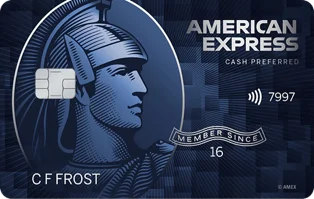
Blue Cash Preferred Card from American Express
Best high-rate streaming cash back if the annual fee fits your wallet
- Rewards
- 6% cash back on select U.S. streaming subscriptions under current issuer terms.
- Annual fee
- $95
Pros
- Highest straightforward streaming cash-back rate among the mainstream cards reviewed here.
- Also has strong U.S. supermarket and transit categories under current terms.
- Cash back is easier to compare than points if the fee is justified.
Cons
- Annual fee means streaming alone may not justify the card.
- Only select U.S. streaming subscriptions qualify.
- Its best value depends on using more than one category.
Issuer terms are authoritative. Card links may point to issuer pages or approved partners when available.

Capital One Savor Cash Rewards Credit Card
Best simple no-annual-fee streaming cash back
- Rewards
- Unlimited 3% cash back on popular streaming services, plus dining, entertainment, and grocery stores under current issuer terms.
- Annual fee
- $0
Pros
- No annual fee keeps the streaming decision simple.
- Unlimited 3% cash back on eligible popular streaming services.
- Useful companion categories can make it an everyday card, not only a streaming card.
Cons
- Lower streaming rate than Blue Cash Preferred.
- Capital One excludes some services from its streaming definition.
- A flat 2% card may be good enough if streaming spend is small.
Issuer terms are authoritative. Card links may point to issuer pages or approved partners when available.
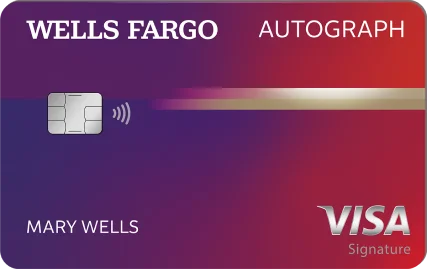
Wells Fargo Autograph Card
Best no-annual-fee points card for streaming plus phone plans
- Rewards
- Unlimited 3X points on popular streaming services and phone plans, plus restaurants, travel, gas, and transit under current issuer terms.
- Annual fee
- $0
Pros
- No annual fee and no stated cap on 3X streaming points under current terms.
- Phone-plan rewards can be useful if streaming and telecom bills sit together.
- Broad bonus categories make it more flexible than a streaming-only choice.
Cons
- Points need a redemption assumption before comparing with cash back.
- Only services in Wells Fargo's eligible streaming categories qualify.
- May be less attractive if you prefer pure cash-back cards.
Issuer terms are authoritative. Card links may point to issuer pages or approved partners when available.
Streaming services are easy to set and forget. That is exactly why they are worth assigning to the right credit card once: Netflix, Disney+, Hulu, Spotify, YouTube TV, cable streaming, and app-store subscriptions can sit on autopay for months while earning either a bonus rate or an ordinary base rate.
The short version: the best credit card for streaming services is the card with the highest reliable net value for the subscriptions you actually pay for. A no-annual-fee 3% streaming card is a strong benchmark. A 6% streaming card can be better, but only if the service qualifies and the annual fee makes sense across your whole wallet.
What is the best credit card for streaming services?
Use the streaming card in your wallet with the highest net value after service eligibility, annual fees, reward currency, and any caps. Do not choose by headline rate alone, because issuers define “streaming” differently and some services are billed through app stores, telecom providers, cable bundles, or third-party platforms.
Madeen’s current in-app fallback catalog includes 227 cards with at least one streaming-related reward rule and 289 streaming-related rules overall. The catalog also shows that most streaming bonuses are modest: all 227 streaming cards earn at least 2x or 2%, but only 26 reach at least 3x or 3%, 4 reach at least 4x, and 2 reach 6%.
That makes streaming a good example of wallet-specific optimization. If you already carry a 3% streaming card, adding a new annual-fee card only for a few monthly subscriptions may not be worth it. If the same card also wins groceries, transit, dining, or phone plans, the math can change.
What are the best credit cards for streaming subscriptions right now?
The best streaming card depends on whether you want maximum Cash Back, no-fee simplicity, or a points card that also covers other recurring bills. These three cards show the main decision paths:
- Blue Cash Preferred Card from American Express: best if you can use its 6% streaming category and enough other rewards to justify the annual fee.
- Capital One Savor Cash Rewards Credit Card: best if you want no-annual-fee 3% Cash Back on eligible popular streaming services.
- Wells Fargo Autograph Card: best if you want no-annual-fee 3X points on popular streaming services and phone plans, with broad travel, dining, gas, and transit categories too.
Issuer terms are authoritative. Before applying or moving every subscription, verify the current rewards, fees, service list, billing-route rules, and exclusions on the issuer page.
Savor is also a reminder that streaming and live entertainment can sit on the same card while still using different rules. If you are comparing a music subscription with a live ticket purchase, use the streaming rules here plus the broader concerts and live entertainment hub and the best credit card for sports tickets. Premium travel cards such as Amex Platinum vs Chase Sapphire Reserve sometimes bundle streaming credits — weigh those against dedicated 3% no-fee cards like Wells Fargo Autograph vs Chase Sapphire Preferred. For mixed retail carts around tour season, see back-to-school shopping cards. To understand how streaming Cash Back posts to your account, read how credit card cash back works.
Is 6% streaming Cash Back always better than 3%?
No. A 6% streaming rate is better than 3% only when the subscription qualifies and the rest of the card’s value beats any annual fee.
For example, compare a 6% card with a $95 annual fee against a no-fee 3% card. The extra streaming return is 3 percentage points:
$95 annual fee / 0.03 extra reward rate = about $3,167 in annual eligible streaming spendMost households do not spend that much on streaming alone. That does not make the 6% card bad; it means streaming should usually be one part of the decision. Blue Cash Preferred may make sense when its U.S. supermarket, streaming, transit, and gas categories fit your actual spending. If streaming is the only category you would use, a no-fee 3% option is often cleaner.
Do all streaming services count for credit card rewards?
No. Issuers decide which services and merchant codes qualify. The same household may have one streaming bill that qualifies and another that does not.
Capital One says Savor streaming purchases include eligible music and video streaming services, including examples such as Netflix, Hulu, and Disney+, while excluding some services such as Verizon Fios On Demand, audiobook subscriptions, and fitness programming. Wells Fargo describes Autograph streaming as popular streaming services across categories such as cable and other pay television, digital goods, books, movies, music, and continuity/subscription services.
The practical takeaway: check the issuer’s examples, then watch how the purchase posts. A subscription billed directly by a streaming service may be treated differently from the same content bundled into a cable, wireless, or app-store charge. Search results often group these as “streaming services credit cards,” but the issuer still decides which merchant codes qualify.
Should streaming subscriptions go on one card?
Usually, yes. If one card earns the best reliable streaming return, putting recurring subscriptions on that card reduces missed rewards and makes annual reviews easier.
A simple setup looks like this:
- Put direct eligible streaming subscriptions on your best streaming card.
- Put phone or cable bundles on a card only if the issuer includes that billing type.
- Use your best flat-rate card for subscriptions that do not qualify.
- Review the list when a service changes price, billing method, or bundle structure.
This is also a good place to avoid over-optimizing. Moving a $6 monthly subscription for one extra percentage point is not worth much. Moving a bundle of household subscriptions from 1% to 3% or 6% can be more meaningful.
How should you compare Cash Back and points on streaming?
Convert points to estimated cash value before comparing them with Cash Back. A 3X points card is roughly a 3% return only if you redeem each point at one cent. If your redemption value is lower, the same 3X category may be worth less than 3% Cash Back.
For streaming, Cash Back is often a strong benchmark because the bills are recurring and predictable. Points can still be useful when the card has other categories you value, such as travel, dining, phone plans, or gas. The key is to write down the assumption instead of treating 3X and 3% as automatically equal.
Madeen uses estimated cash value for this reason. The app can compare Cash Back, points, and miles in one local wallet ranking, while still leaving issuer terms and your redemption choices as the final authority. For the full framework, read how to compare cash back, points, and miles.
If your streaming card has an annual fee, shared cap, or quarterly enrollment requirement, pair the currency comparison with how reward caps and limits work and how to decide if an annual fee is worth it.
What streaming-card mistakes should you avoid?
The biggest mistake is assuming every digital subscription qualifies as streaming. Issuer terms can separate video streaming, music streaming, app-store purchases, cable, digital goods, fitness subscriptions, audiobooks, telecom bills, and online retail.
Avoid these common traps:
- Paying an annual fee for one small category. Streaming alone rarely justifies a fee unless your annual streaming spend is unusually high.
- Ignoring service eligibility. A service name on one issuer’s list does not mean it qualifies on every card.
- Forgetting bundles. A streaming bundle billed through a cable or wireless provider may code differently than a direct subscription.
- Overvaluing points. A 3X card needs a realistic redemption value before it beats Cash Back.
- Leaving old subscriptions on a 1% card. Recurring bills are easy rewards to recover once you choose the right card.
Are subscription services eligible for recurring points?
Sometimes. “Recurring subscription” is not always the same as an issuer’s streaming category. One card may include popular video and music streaming, another may include broader digital goods or pay television, and another may treat subscriptions as ordinary purchases unless they fall into a rotating category.
This matters for bundles. A direct Hulu, Disney+, Netflix, Spotify, or YouTube TV charge may be easier to classify than the same content billed through a wireless provider, cable company, app store, or third-party bundle. If the bill is not clearly on the issuer’s streaming list, compare it with your best flat-rate card before moving every subscription.
For a recurring-points card, also check redemption value. Three points per dollar is only better than 3% Cash Back if your redemption plan makes each point worth more than one cent. If you are not sure, use a cash-back benchmark and keep the setup simple.
How can Madeen help choose a streaming card?
Madeen is built for simple category choices across the cards you already carry. You select your cards, choose a category, and Madeen compares the reward rules locally without bank login, card numbers, or transaction history.
Streaming is a good fit for that workflow because the best card is usually a small decision repeated every month. Madeen can help you identify which card has the strongest catalog rule, while issuer terms still decide edge cases such as bundled billing, service exclusions, and whether a specific merchant qualifies.
For privacy details, read the Madeen Privacy Policy or the product note on why Madeen does not ask for your bank login.
What should you do next?
List your current streaming subscriptions and how each one is billed. If a service is billed directly and your card earns a streaming bonus, move it to that card. If the service is bundled through a phone, cable, or app-store bill, check the issuer’s terms before assuming it earns the streaming rate.
Then keep the setup simple: one streaming card for qualifying subscriptions, one flat-rate fallback for anything uncertain, and a quick review whenever prices or bundles change.
If you are also buying live-event tickets this month, separate that decision from streaming rewards — see the concerts and live entertainment hub and the best credit card for sports tickets. For gym, software, and news autopay beyond video streaming, read which credit card for subscriptions. When streaming shares a bill with phone or internet, compare cell phone bills and internet bills before you split autopay across cards. The July 2026 groceries spoke pairs naturally with Blue Cash Preferred when streaming and supermarket spend share one wallet.
Related encyclopedia topics
Frequently asked questions
What is the best credit card for streaming services?
The best streaming card is the one with the highest reliable net value for your actual services after annual fees, service eligibility, app-store or telecom billing, caps, and reward currency. A no-annual-fee 3% card is a strong benchmark unless a 6% card wins across other categories too.
Which credit card should I use for streaming subscriptions?
Use the card in your wallet with the highest reliable streaming return after annual fees, service eligibility, caps, and reward currency. A no-fee 3% card is a strong benchmark unless a higher-fee card wins in other categories too.
Is 6% cash back on streaming always better than 3%?
No. Six percent is better only when the subscription qualifies and the card's annual fee is justified by streaming plus other categories you actually use.
Do all streaming services qualify for credit card streaming rewards?
No. Issuers define eligible streaming services differently, and some services, bundles, telecom charges, downloads, or third-party billing arrangements may not qualify.
Should you put streaming subscriptions on one card?
Usually yes if that card earns a clear streaming bonus and you can keep subscriptions organized. If one service does not qualify, use your best flat-rate card for that bill.
Can Madeen pick a streaming card without bank login?
Madeen can compare catalog reward rules for the cards you select, but you should still check whether each streaming merchant qualifies under the issuer's current terms.
Is it smart to use a credit card for streaming services?
Yes, when you pay the statement in full and the card earns more than 1% back on streaming or online shopping. A flat 2% card on $50/month of subscriptions returns about $12/year before annual-fee math; category multipliers can beat that if your mix matches the bonus window.
What is the best credit card for Netflix?
Netflix usually codes as streaming or digital goods. Cards with explicit streaming multipliers (e.g. U.S. Bank Cash+ 5% on streaming) can beat a flat 2% card; otherwise Citi Double Cash at 2% effective is a simple default. Check your issuer's MCC list because bundled bills sometimes code differently.
Which credit card has free streaming services?
No mainstream card includes Netflix or Disney+ for free without a fee tradeoff. Some premium travel cards bundle streaming credits (Amex digital entertainment, Chase offers) that offset part of a subscription if you enroll and use eligible merchants. For pure earn rate, a no-fee 3% streaming card usually beats paying a premium fee for a small credit.
Which credit card is best for HBO Max?
HBO Max (Max) usually codes as a streaming subscription when billed directly. Blue Cash Preferred at 6% on select U.S. streaming can win if the service qualifies and you use other categories; Capital One Savor at 3% with no annual fee is a simpler benchmark. App-store or cable-bundle billing may not qualify — verify the charge on your statement.
Sources and notes
- Madeen analysis Madeen card catalog streaming reward analysis - Madeen Accessed 2026-05-21.
- Issuer terms Blue Cash Preferred Card from American Express - American Express Accessed 2026-05-21.
- Issuer terms Capital One Savor Rewards Credit Card - Capital One Accessed 2026-05-21.
- Issuer terms Wells Fargo Autograph Card - Wells Fargo Accessed 2026-05-21.
- Issuer terms Wells Fargo Autograph popular streaming services - Wells Fargo Accessed 2026-05-21.