What Is the Best Credit Card for Pet Supplies in May 2026?
Compare the best credit cards for pet supplies, vet bills, and pet-store purchases by merchant category, big-box exclusions, self-select caps, and flat-rate fallbacks.
Madeen compares public issuer terms with its card-rule catalog. Issuer pages control rewards, fees, benefits, exclusions, and eligibility; Madeen does not issue cards, make approval decisions, or provide financial advice.
What are the best credit cards for pet supplies right now?
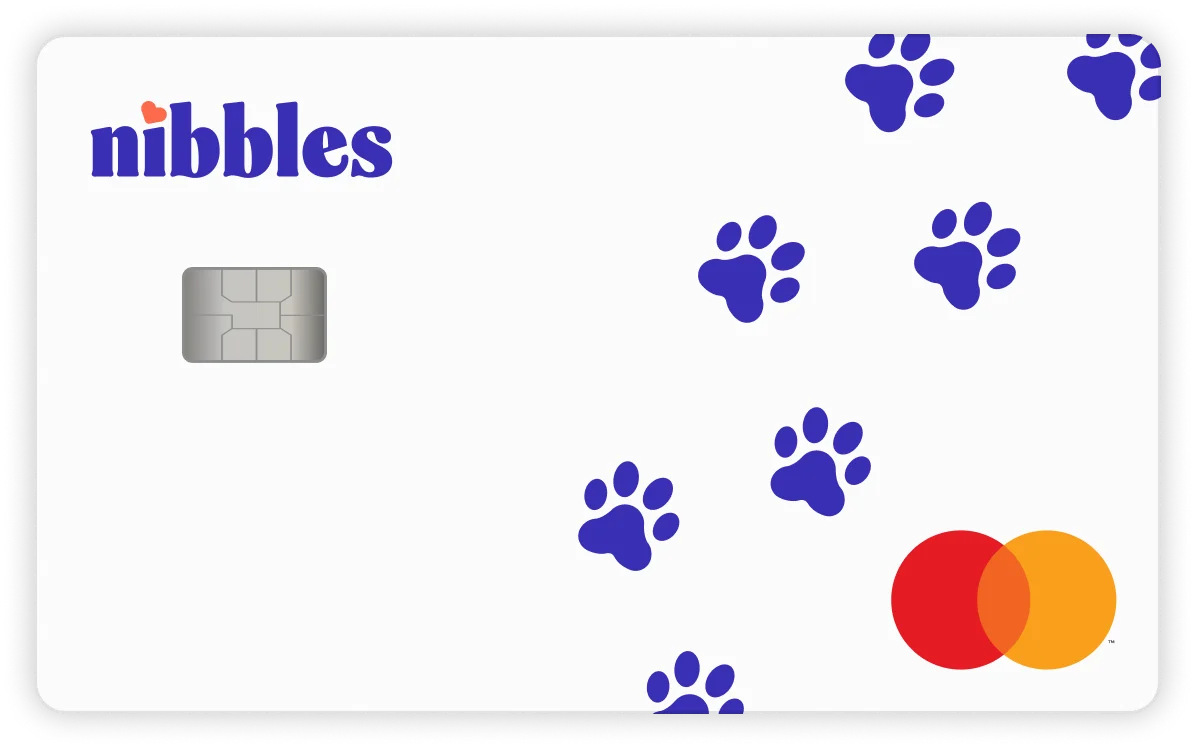
Nibbles Pet Rewards Credit Card
Best pet-specific card for pet stores, pet services, and veterinary visits
- Rewards
- 3x rewards on eligible pet purchases at pet stores, pet services, and licensed vets, plus 1x where Mastercard is accepted under current Nibbles materials.
- Annual fee
- $0
Pros
- Official Nibbles materials describe unlimited 3x rewards on pet stores, pet services, and licensed vets.
- Includes veterinary bills, which many ordinary pet-store categories may not cover.
- No annual fee and statement-credit redemption at 100 points per $1 under current Nibbles materials.
Cons
- Nibbles says Amazon, Target, Walmart, and Tractor Supply are not included in its 3x pet categories.
- Built-in pet insurance has eligibility rules, deductibles, reimbursement terms, and exclusions.
- Newer pet-specific card, so verify current availability and terms before applying.
Issuer terms are authoritative. Card links may point to issuer pages or approved partners when available.
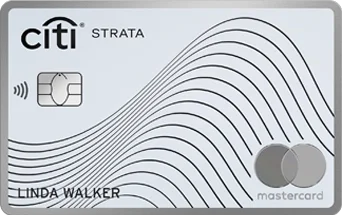
Citi Strata Card
Best no-annual-fee points card when Pet Supply Stores is your self-select category
- Rewards
- 3 ThankYou Points per dollar on one eligible Self-Select Category, including Pet Supply Stores, when that category is selected.
- Annual fee
- $0
Pros
- Official Citi self-select category materials list Pet Supply Stores as an eligible 3X option.
- No annual fee and useful companion categories such as supermarkets, gas and EV charging, select transit, and restaurants.
- Can be better than a pet-only card if Citi ThankYou points already fit your rewards setup.
Cons
- Pet Supply Stores must be the selected category; Citi says the default is Select Streaming Services.
- ThankYou point value depends on redemption method.
- Veterinary care, grooming, big-box stores, online marketplaces, and grocery pet aisles may not count as Pet Supply Stores.
Issuer terms are authoritative. Card links may point to issuer pages or approved partners when available.
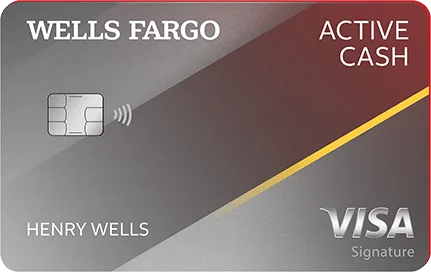
Wells Fargo Active Cash Card
Best flat-rate fallback for big-box, online, grocery, and unclear pet purchases
- Rewards
- Unlimited 2% cash rewards on purchases under current Wells Fargo terms, with no categories to track or quarterly activations.
- Annual fee
- $0
Pros
- Simple unlimited 2% cash rewards on eligible purchases.
- No pet-store definition, self-select category, or merchant-code guesswork for ordinary purchases.
- Useful when pet spending happens at Amazon, Target, Walmart, grocery stores, warehouse clubs, or mixed retailers.
Cons
- Lower ceiling than a qualifying 3x pet category.
- Does not add pet-specific insurance, services, discounts, or veterinary benefits.
- Wells Fargo excludes cash equivalents, fees, interest, balance transfers, and other non-purchase transactions from rewards.
Issuer terms are authoritative. Card links may point to issuer pages or approved partners when available.
Pet spending is not one category in real life or in credit card terms. Dog food from a pet store, cat litter from a warehouse club, flea medicine from a vet, grooming, boarding, and a toy from Amazon can all post under different merchant categories.
The short version: use a pet-category card when the merchant clearly qualifies as a pet store, pet service, or veterinary provider. Use a flat-rate card when the purchase is at a big-box retailer, grocery store, warehouse club, online marketplace, or another merchant whose pet category is uncertain. When a card caps bonus spend, see how reward caps and limits work.
This analysis uses Madeen’s on-device card catalog. See Madeen editorial methodology and the Card Rules Index for how catalog-backed claims are built and reviewed.
Which credit card should you use for pet supplies?
Use the card with the highest reliable return for the exact pet purchase. A true pet-store category can be useful, but it should not be stretched to cover every expense that happens to be for a pet.
Madeen’s current in-app fallback catalog shows how narrow the category is. Across 3,944 cards, only 4 card records are pet-related by card name or reward-rule language, and only 2 reward rules explicitly mention pet-related categories. By contrast, 1,035 cards earn at least 1.5x or 1.5% on base purchases, and 328 earn at least 2x or 2% on base purchases.
That imbalance is the decision rule. Check first for a true pet category. If the card terms do not clearly cover the merchant, your best everyday card may be the better choice.
What are the best credit cards for pet supplies right now?
The best pet card depends on whether you need veterinary coverage, a flexible no-fee points card, or a simple fallback:
- Nibbles Pet Rewards Credit Card: best pet-specific option because Nibbles publishes 3x rewards on eligible pet purchases at pet stores, pet services, and licensed vets.
- Citi Strata Card: best no-annual-fee points option if you choose Pet Supply Stores as your self-select category and Citi ThankYou points fit your rewards setup.
- Wells Fargo Active Cash Card: best flat-rate fallback when the purchase is online, at a big-box store, in a grocery aisle, at a warehouse club, or otherwise not clearly pet-coded.
Issuer terms are authoritative. Before applying for a new card or moving a large recurring pet expense, verify current rewards, annual fee, APR, category definitions, benefit terms, exclusions, and merchant-code treatment on the issuer page. If you are unsure whether your score supports a new pet card, start with what is a good credit score for a credit card.
When is a pet-specific credit card worth using?
A pet-specific card is worth using when it covers the places you actually spend. Nibbles is the clearest example in this comparison because its current materials describe unlimited 3x rewards at pet stores, pet services, and licensed vets. The veterinary language matters because ordinary pet-store categories may not include animal hospitals or clinics.
That broader pet scope can fit households with recurring vet bills, prescriptions, grooming, boarding, training, or pet-store purchases. APPA reported that U.S. pet industry expenditures reached $158 billion in 2025 and projected continued growth in 2026, which helps explain why pet spending can be a real budget category rather than an occasional errand.
The tradeoff is complexity. Nibbles also includes pet insurance-related benefits with eligibility rules, waiting periods, deductibles, reimbursement terms, and exclusions. Treat those as insurance terms to evaluate separately from rewards. Do not value them as automatic cash back unless they fit your pet and you understand the policy details.
When is Citi Strata better for pet supply stores?
Citi Strata can be better when your spending is concentrated at merchants that code as Pet Supply Stores and you want a no-annual-fee points card. Citi’s official self-select category guide lists Pet Supply Stores among the eligible 3X category options, along with Fitness Clubs, Select Streaming Services, Live Entertainment, and Cosmetic Stores/Barber Shops/Hair Salons.
The important phrase is “self-select.” Citi says Select Streaming Services is the default self-select category, and the pet category must be selected to earn the elevated rate. If your account is set to another self-select category, a pet-store purchase may not earn the 3X self-select rate.
The other caveat is category scope. A Pet Supply Stores category should not be assumed to include veterinary clinics, groomers that code as services, grocery-store pet aisles, warehouse clubs, online marketplaces, or general merchandise stores. If your spending is mostly Chewy-style or local pet-store purchases, Citi may fit. If your spending is mostly vet bills or big-box purchases, compare it with a pet-specific or flat-rate card.
Should vet bills, grooming, and boarding use the same card as pet food?
Not always. Pet expenses split into several merchant types, and the best card can change by charge.
| Purchase type | Usually compare first | Why |
|---|---|---|
| Local pet store or pet-supply chain | Pet-store or pet-supply category card | Most likely to match pet-supply category language |
| Veterinary clinic or animal hospital | Vet-inclusive pet card versus flat-rate card | Vet bills may not be pet-store purchases |
| Grooming, boarding, training, or pet sitting | Pet-services card versus flat-rate card | Service providers can code differently |
| Amazon, Target, Walmart, Tractor Supply, or grocery pet aisle | Flat-rate, store, online, or grocery card | Merchant usually controls the category, not the item in your cart |
| Warehouse club pet food or litter | Warehouse-club or flat-rate card | The club category may matter more than the pet product |
| Medication or prescription food from a vet | Vet-inclusive card versus flat-rate card | The charge may post as veterinary care, not retail |
Nibbles explicitly says its 3x pet rewards do not include larger retailers such as Target, Amazon, Walmart, and Tractor Supply. That warning is useful even if you use a different card because it reinforces the broader rule: item-level intent does not always control credit card rewards.
Is a 3x pet card better than a 2% cash back card?
A 3x pet card is better only when the purchase qualifies and you value the reward currency clearly. If 3 points are worth roughly 3 cents, then $2,000 of qualifying pet spending earns about $60 at 3x versus $40 at 2% cash back. The extra $20 is helpful, but it depends on the category actually triggering.
If the same $2,000 posts at a merchant that does not qualify for the pet category and drops to 1x, the return may be closer to $20. In that case, a reliable 2% flat-rate card would have been better.
This is why a flat-rate card belongs in the pet-spending decision. Wells Fargo’s current Active Cash materials describe unlimited 2% cash rewards on purchases and no annual fee. It will not beat a qualifying 3x pet category, but it can be the cleaner default for mixed carts, big-box stores, online marketplaces, and merchants whose category is hard to predict.
Should Amazon, Target, Walmart, and grocery pet aisles count as pet supplies?
For your budget, yes. For credit card rewards, not necessarily. Issuers generally rely on merchant category coding, not the specific product in your cart. A bag of dog food from a grocery store may be a grocery purchase. The same food from a warehouse club may be a wholesale-club purchase. A cat tree from Amazon may be an online retail or marketplace purchase rather than a pet-store purchase.
Use a pet card when the seller itself is a qualifying pet merchant. Use a store-specific, online-shopping, grocery, drugstore or pharmacy, warehouse-club, or flat-rate card when the seller is broader than pet supplies.
That distinction also helps avoid overvaluing a new card. If only a small share of your pet spending happens at qualifying pet merchants, a narrow pet card may not add much beyond your existing everyday card.
How can Madeen help choose a pet-supplies card?
Madeen helps because the right answer depends on the cards you already carry and the category of the actual purchase. You select your cards on your iPhone, choose the relevant purchase category, and Madeen compares local reward rules without bank login, card numbers, or transaction history.
The catalog data is especially useful for pet spending because explicit pet categories are rare. If your wallet includes a true pet card, Madeen can help surface it for the right purchases. If the merchant is a big-box store, online marketplace, grocery store, warehouse club, or unclear service provider, the app can point you back to a more reliable everyday card instead of pretending every pet purchase is a pet-category purchase.
For timed merchant credits that stack on top of category earn, see card-linked offers explained. For privacy details, read the Madeen Privacy Policy or the product note on why Madeen does not ask for your bank login.
What should you do next?
Look at where your pet spending actually happens. If most charges are at pet stores, vets, groomers, boarding facilities, or trainers, compare a pet-specific card against your current wallet. If most charges are at Amazon, Target, Walmart, grocery stores, or warehouse clubs, start with your best store, category, or flat-rate card.
After a pet purchase posts, check whether it earned the expected bonus. If it did, keep using that card for similar merchants. If it did not, move that merchant to a reliable fallback and reserve pet-category cards for purchases that consistently qualify.
Related encyclopedia topics
Frequently asked questions
Which credit card should I use for pet supplies?
Use a pet-category card when the merchant clearly qualifies as a pet store, pet service, or veterinary provider. Use a flat-rate card when the purchase is at Amazon, Target, Walmart, a grocery store, a warehouse club, or another merchant that may not code as pet spending.
Do vet bills count as pet-store rewards?
Usually not unless the card specifically includes veterinary purchases. Nibbles publishes 3x rewards at licensed vets, while a Pet Supply Stores category should not be assumed to cover veterinary care.
Is a pet credit card better than a 2% cash back card?
A pet credit card is better only when the purchase qualifies and the card's rewards or benefits fit your needs. A 2% flat-rate card can be better for big-box, online, grocery, warehouse, or unclear pet purchases.
Should Amazon, Target, Walmart, or grocery pet purchases use a pet card?
Not automatically. Those merchants may code as online retail, discount store, grocery, wholesale club, or general merchandise rather than pet supplies, so compare the pet card against your best flat-rate or store-specific card.
What is the best credit card for pet care?
Use a pet-category card when the charge clearly qualifies as a pet store, pet service, or licensed vet. Use a flat-rate or store-specific card for big-box, grocery, or online marketplace pet purchases that may not code as pet spending.
Is a pet credit card better than CareCredit for supplies?
CareCredit and similar medical-financing cards are built for deferred veterinary payments, not everyday pet-store rewards. A rewards card is usually better for food, litter, and retail supplies; compare financing terms separately for large vet bills.
Can Madeen choose a pet-supplies card without bank login?
Madeen can compare local reward rules for cards you select without bank login or card numbers, but issuer terms and merchant category coding still decide whether a specific pet purchase qualifies.
Sources and notes
- Madeen analysis Madeen card catalog pet-category and base-reward analysis - Madeen Accessed 2026-05-22.
- Primary data U.S. Pet Industry Reaches $158 Billion in 2025, Poised for Continued Growth in 2026 - American Pet Products Association Accessed 2026-05-22.
- Issuer terms Nibbles Credit Card - Nibbles Accessed 2026-05-22.
- Issuer terms Nibbles Card Rewards - Nibbles Accessed 2026-05-22.
- Issuer terms Citi Strata Card - Citi Accessed 2026-05-22.
- Issuer terms Citi Strata Card eligible Self-Select Category guide - Citi Accessed 2026-05-22.
- Issuer terms Wells Fargo Active Cash Card - Wells Fargo Accessed 2026-05-22.
- Issuer terms Wells Fargo Active Cash Card terms and conditions - Wells Fargo Accessed 2026-05-22.