What Is the Best Credit Card for Gas and Groceries in May 2026?
Compare the best credit cards for gas and groceries—supermarket caps, gas-station rules, Citi Custom Cash top-category math, annual fees, and when to split cards.
Madeen compares public issuer terms with its card-rule catalog. Issuer pages control rewards, fees, benefits, exclusions, and eligibility; Madeen does not issue cards, make approval decisions, or provide financial advice.
What are the best credit cards for gas and groceries right now?
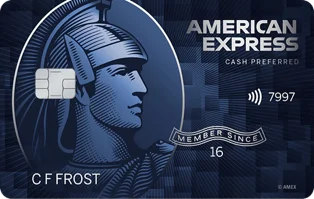
Blue Cash Preferred Card from American Express
Best when you spend heavily at U.S. supermarkets and still want a solid gas rate
- Rewards
- 6% cash back at U.S. supermarkets on up to $6,000 per calendar year in purchases, then 1%; 3% cash back at U.S. gas stations under current American Express materials.
- Annual fee
- $95
Pros
- Industry-leading supermarket cash back for eligible U.S. supermarket spend.
- Includes a dedicated U.S. gas station rate without rotating activation.
- Straightforward cash back instead of points valuations.
Cons
- $95 annual fee must be justified by grocery and gas volume.
- Supermarket rewards cap at $6,000 per calendar year, then drop to 1%.
- Issuer category terms exclude warehouse clubs and some store types.
Issuer terms are authoritative. Card links may point to issuer pages or approved partners when available.

Citi Custom Cash Card
Best no-annual-fee option when gas OR groceries is clearly your top monthly category
- Rewards
- 5% cash back on purchases in your top eligible spend category each billing cycle on up to $500 spent, then 1%; groceries and gas are both eligible top categories under current Citi terms.
- Annual fee
- $0
Pros
- Automatic top-category boost — no quarterly activation calendar.
- Strong when one category (gas or groceries) dominates a given month.
- No annual fee.
Cons
- Only the top category earns 5% each cycle, capped at $500 in spend.
- You cannot force both gas and groceries to 5% in the same month.
- The other category earns the card's base rate unless you carry a second card.
Issuer terms are authoritative. Card links may point to issuer pages or approved partners when available.
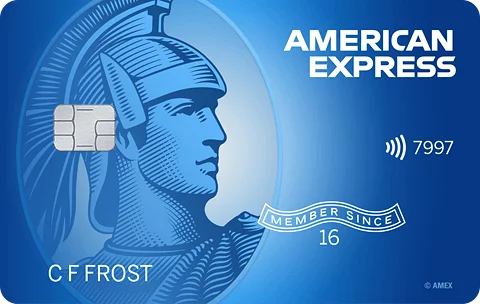
Blue Cash Everyday Card from American Express
Best no-annual-fee Amex for moderate gas and grocery spend
- Rewards
- 3% cash back at U.S. supermarkets, U.S. gas stations, and U.S. online retail purchases on up to $6,000 per calendar year in each category, then 1%, under current American Express materials.
- Annual fee
- $0
Pros
- Covers both groceries and gas without an annual fee.
- Separate $6,000 caps per category can fit moderate spenders.
- Also rewards eligible U.S. online retail purchases.
Cons
- Lower rates than Blue Cash Preferred or a 5% Custom Cash top category.
- Three separate annual caps to track.
- Warehouse clubs and some merchants may be excluded.
Issuer terms are authoritative. Card links may point to issuer pages or approved partners when available.
Most households buy Gas and groceries every week, but the best credit card strategy is rarely one card for everything. Supermarket bonus categories, Gas-station merchant codes, warehouse clubs, and annual caps all change which card actually wins.
Quick answer: Heavy Grocery spenders often do best with Blue Cash Preferred (6% at U.S. supermarkets up to the annual cap, plus 3% at U.S. Gas stations). No-annual-fee shoppers can use Citi Custom Cash for 5% on whichever eligible category is highest that month (Gas or groceries, not both at 5%), or Blue Cash Everyday for 3% on both with separate caps.
What is the best credit card for Gas and groceries?
Start with your real receipt mix:
| Spending pattern | Card to prioritize |
|---|---|
| High U.S. supermarket spend year-round | Blue Cash Preferred |
| Gas OR groceries spikes one month | Citi Custom Cash (top category) |
| Moderate spend in both, no annual fee | Blue Cash Everyday |
| Mostly Costco fuel | Costco gas guide — Costco Anywhere 4% on eligible Gas |
For deep dives on each category alone, read which credit card for gas and which credit card for groceries. For cap math across categories, see credit card category caps.
What are the best credit cards for Gas and groceries right now?
Blue Cash Preferred — best combined Grocery rate
American Express markets 6% Cash Back at U.S. supermarkets on up to $6,000 per calendar year in purchases, then 1%, plus 3% at U.S. Gas stations. The $95 annual fee only makes sense when Grocery rewards alone (and Gas) clear that fee versus a no-fee 3% card.
Citi Custom Cash — best when one category dominates
Citi pays 5% Cash Back in your top eligible spend category each billing cycle on up to $500 in purchases, then 1%. Gas and groceries are both eligible, but only the higher-spend category gets 5% that month. Many optimizers switch their “top category” mentally each month or pair Custom Cash with a dedicated Grocery card.
Blue Cash Everyday — best no-fee dual category
Blue Cash Everyday earns 3% at U.S. supermarkets, U.S. Gas stations, and U.S. online retail purchases, each on up to $6,000 per calendar year in purchases, then 1%. It is simpler than juggling two cards but caps rewards below Preferred or a winning Custom Cash month.
Should you use one card or two for Gas and groceries?
Two cards often beat one when:
- Groceries exceed Blue Cash Preferred’s supermarket cap.
- Most fuel is at Costco or a warehouse club (different card rules).
- Custom Cash should target Gas in months groceries are lower (or vice versa).
Madeen is built for that split: add the cards you carry, pick the category at checkout, and see the winner without linking a bank account.
How can Madeen help with Gas and Grocery cards?
Madeen runs category comparisons on-device using the reward rules you already saved. Tag a purchase as Gas or groceries and see which card’s rate, cap, and fee context wins before you tap pay at the pump or checkout lane.
Related encyclopedia topics
Frequently asked questions
What is the best credit card for gas and groceries?
Heavy grocery spenders often win with Blue Cash Preferred (6% supermarkets, 3% gas). No-fee shoppers may prefer Citi Custom Cash on their top category or Blue Cash Everyday for 3% on both. Warehouse gas may need Costco Anywhere — see the dedicated gas guide.
Which credit card is best for fuel and grocery?
It depends on volume and store type. Supermarket-heavy budgets favor Blue Cash Preferred. Single-category months favor Citi Custom Cash at 5% on the top eligible category up to $500 per billing cycle.
Can one card maximize gas and groceries at the same time?
Rarely at the highest rates. Most strong setups use Blue Cash Preferred for groceries plus gas, or pair Citi Custom Cash with a second card so each category gets a top rate in different months.
What credit card earns the most on groceries?
Among widely available U.S. cards, Blue Cash Preferred's 6% at U.S. supermarkets (up to the annual cap) is a common benchmark. Verify Amex supermarket definitions before assuming Costco or Target qualify.
Can Madeen pick between gas and grocery cards without bank login?
Yes. Madeen compares category rules for cards in your wallet locally and shows which card wins for gas versus groceries on a given trip.
Sources and notes
- Madeen analysis Madeen card catalog category analysis - Madeen Accessed 2026-05-26.
- Issuer terms Blue Cash Preferred Card - American Express Accessed 2026-05-26.
- Issuer terms Citi Custom Cash Card - Citi Accessed 2026-05-26.
- Issuer terms Blue Cash Everyday Card - American Express Accessed 2026-05-26.