Is Capital One Savor or SavorOne Better in June 2026?
Capital One Savor vs SavorOne compared on annual fee, dining and entertainment earn rates, grocery coding, streaming rewards, and who should pay for the premium Savor card.
Madeen compares public issuer terms with its card-rule catalog. Issuer pages control rewards, fees, benefits, exclusions, and eligibility; Madeen does not issue cards, make approval decisions, or provide financial advice.
Capital One Savor vs SavorOne vs Freedom Unlimited at a glance

Capital One SavorOne Cash Rewards Credit Card
No-annual-fee dining, entertainment, streaming, and grocery earn
- Rewards
- Unlimited 3% cash back on dining, entertainment, popular streaming services, and groceries at grocery stores (excluding superstores) under current Capital One terms; 1% on other purchases; $0 annual fee.
- Annual fee
- $0
Pros
- No annual fee to earn back
- Uncapped elevated rates on dining and entertainment categories
- Simple pick for food-and-fun spenders
Cons
- Lower category rates than premium Savor when you spend heavily
- Grocery earn excludes many superstores — verify coding
- 1% base rate on general purchases
Issuer terms are authoritative. Card links may point to issuer pages or approved partners when available.
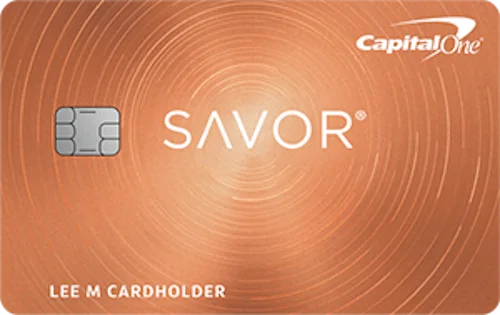
Capital One Savor Cash Rewards Credit Card
Heavy dining and entertainment spend that clears a premium annual fee
- Rewards
- Elevated cash back on dining, entertainment, streaming, and groceries under current Capital One premium Savor terms; annual fee applies — verify rate and fee on the issuer page.
- Annual fee
- Verify on issuer site
Pros
- Higher category multipliers than SavorOne when terms apply
- Capital One Dining and travel portal perks on eligible cards
- Worth modeling if restaurants dominate your budget
Cons
- Annual fee requires real break-even math
- Overkill for light dining spend
- Product availability and terms change — confirm before applying
Issuer terms are authoritative. Card links may point to issuer pages or approved partners when available.

Capital One Quicksilver Cash Rewards Credit Card
Flat-rate fallback when dining cards are not the category winner
- Rewards
- Unlimited 1.5% cash back on every purchase under current Capital One terms; $0 annual fee.
- Annual fee
- $0
Pros
- Simple uncapped base earn
- Pairs cleanly with a category Savor card
- No activation calendars
Cons
- No bonus dining multiplier
- Lower than 2% flat-rate competitors for all-spend users
- Does not replace a category specialist
Issuer terms are authoritative. Card links may point to issuer pages or approved partners when available.
Capital One SavorOne wins for most readers because it earns strong Dining, entertainment, and Streaming Cash Back with no Annual fee. Capital One Savor is the premium option only when your annual food-and-fun spend clears the fee after credits you will actually use.
Madeen’s June 2026 catalog tracks thousands of U.S. consumer cards with distinct category rules — see Card Rules for how we compare effective rates. This head-to-head answers the Savor vs SavorOne question by segment, not one universal winner.
Is Capital One Savor or SavorOne better?
SavorOne is the better default for most households: you keep elevated earn on restaurants, eligible entertainment, Streaming, and groceries without paying an Annual fee. Savor is worth modeling only when your real annual Dining and entertainment spend is high enough that the extra Cash Back minus the Annual fee beats SavorOne on net. Run the math with your statements, not a generic blog average.
How do Savor and SavorOne compare?
| Feature | Capital One SavorOne | Capital One Savor (premium) |
|---|---|---|
| Annual fee | $0 | Verify on issuer site |
| Dining | 3% unlimited (issuer terms) | Higher tier — verify issuer page |
| Entertainment / Streaming | 3% on eligible purchases | Higher tier — verify issuer page |
| Grocery | 3% at Grocery stores (superstore exclusions) | Elevated Grocery — verify issuer page |
| General purchases | 1% | 1% base (verify) |
| Network | Mastercard | Mastercard |
| Best for | Casual to moderate Dining spend | Heavy Dining + entertainment budgets |
Confirm current rates, caps, and exclusions on Capital One’s Savor product pages before you apply. Issuer terms change.
When does SavorOne beat Savor?
SavorOne wins when Annual fee break-even fails. Example: if Savor charges roughly $95 per year and the only difference is one extra percentage point on $8,000 of Dining and entertainment, the incremental $80 Cash Back does not cover the fee. SavorOne keeps the elevated categories and leaves the fee on the table.
SavorOne also wins when you want a set-and-forget card: no fee means no year-one pressure to hit credit thresholds just to justify ownership.
When does Savor beat SavorOne?
Savor can win when category spend is large and steady — think weekly date nights, concert tickets, Streaming bundles, and Grocery runs that all code correctly. Model:
- Add annual Dining + entertainment + Streaming + Grocery spend you expect on the card.
- Multiply by the rate difference between Savor and SavorOne (verify on issuer pages).
- Subtract Savor’s Annual fee and any credits you will realistically use.
- If the net is positive, Savor is rational; if not, stay on SavorOne.
Pair either card with Capital One Quicksilver or another flat-rate card for purchases outside food-and-fun categories.
How does merchant coding affect these cards?
Capital One assigns merchant category codes at checkout. Delivery apps, food halls, and warehouse grocers may code as restaurant, Grocery, or general depending on the processor. If a store matters to your strategy, run a small test purchase and read the posted transaction category before you reorganize your wallet.
For broader Dining picks, see which credit card for dining. For no-fee comparisons against Amex, see SavorOne vs Blue Cash Everyday.
How can Madeen help you pick at checkout?
Madeen is a free iPhone app that ranks cards you already carry for a purchase category — no bank login required. After you choose Savor or SavorOne, use Madeen at checkout to confirm which card in your wallet actually wins when coding or caps differ.
Related encyclopedia topics
Frequently asked questions
Is Capital One Savor or SavorOne better?
SavorOne is better for most people because it charges no annual fee and still earns elevated cash back on dining, entertainment, streaming, and groceries. The paid Savor card only makes sense when your annual dining and entertainment spend is high enough that the extra earn rate clears the annual fee after you subtract credits you will actually use.
What is the difference between Capital One Savor and SavorOne?
SavorOne is Capital One's no-annual-fee dining and entertainment card with unlimited elevated cash back on those categories under current issuer terms. Savor is the premium sibling with a higher annual fee and higher category multipliers when you spend enough to justify the fee. Verify exact rates and fees on Capital One's site before applying.
Which Capital One card is best for dining?
Between these two, pick the card whose net earn after the annual fee beats SavorOne on your real restaurant and entertainment spend. If you eat out occasionally, SavorOne usually wins. Heavy diners who also use Capital One travel credits should model both cards with a simple break-even table.
Do Savor and SavorOne earn on groceries?
Both cards market elevated grocery earn at eligible grocery stores under Capital One terms, often with superstore exclusions. Grocery coding can differ from dining — verify merchant category codes on a test purchase if warehouse clubs are part of your routine.
Can I hold both Savor and SavorOne?
Capital One may limit duplicate Savor-family products or welcome bonuses. Check current issuer rules before applying for a second card in the same family. Many households pick one Savor-line card and pair it with a flat-rate card for everything else.
Sources and notes
- Issuer terms SavorOne Rewards from Capital One - Capital One Accessed 2026-06-18.
- Madeen analysis Madeen card catalog analysis - Madeen Accessed 2026-06-18.