What Is the Best Credit Card for Drugstores in June 2026?
Updated June 2026 picks for this store — compare reward rates, caps, annual fees, and issuer terms before you apply.
Madeen compares public issuer terms with its card-rule catalog. Issuer pages control rewards, fees, benefits, exclusions, and eligibility; Madeen does not issue cards, make approval decisions, or provide financial advice.
What are the top picks for June 2026?
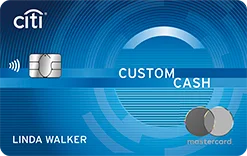
- Rewards
- 5% cash back on your top eligible spend category each billing cycle, up to $500 spent, then 1%; drugstores are an eligible category under current Citi terms.
- Annual fee
- $0
Pros
- High 5% rate when drugstores are your top eligible category for the billing cycle.
- No annual fee.
- Automatic top-category structure means no quarterly activation.
Cons
- The 5% rate is capped at $500 in eligible top-category spending each billing cycle.
- Only one eligible category earns the 5% rate each cycle.
- Less useful if groceries, gas, or dining usually outrank drugstores on the card.
Issuer terms are authoritative. Card links may point to issuer pages or approved partners when available.

- Rewards
- 3% cash back on drugstores and dining, 5% through Chase Travel, and 1.5% on other purchases under the current Chase rewards agreement.
- Annual fee
- $0
Pros
- Uncapped 3% drugstore rewards under current program terms.
- 1.5% base rate makes it a useful fallback outside drugstores.
- No annual fee.
Cons
- Lower drugstore rate than a capped 5% card while that cap is available.
- Chase merchant-category rules still decide whether a purchase qualifies.
- Ultimate Rewards points require a redemption choice, even when used like cash back.
Issuer terms are authoritative. Card links may point to issuer pages or approved partners when available.
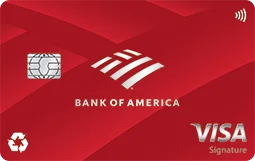
Bank of America Customized Cash Rewards
Best selectable drug stores and pharmacies category
- Rewards
- 3% cash back in one selected choice category, including Drug Stores; 2% at grocery stores and wholesale clubs; both bonus tiers share the first $2,500 in combined quarterly purchases.
- Annual fee
- $0
Pros
- Drug Stores is an official choice category with CVS, Rite Aid, and Walgreens examples.
- Choice category can be changed once per calendar month under issuer rules.
- No annual fee.
Cons
- The 3% and 2% categories share a combined quarterly cap.
- You must keep Drug Stores selected for the 3% drugstore rate.
- Merchant coding can differ from what the store sells.
Issuer terms are authoritative. Card links may point to issuer pages or approved partners when available.
June 2026 update: This month’s picks reflect Madeen’s catalog snapshot 2026-05-01. For the evergreen guide, see which credit card for drugstores. Browse programmatic rankings for full catalog coverage.
What are the best credit card picks for June 2026?
For June 2026, the best card depends on what you already carry, whether the purchase codes in the bonus category you expect, and whether an annual fee is worth it for your spend level. Madeen’s catalog tracks 3,944 U.S. cards — use the picks below as starting points, then confirm issuer terms before you apply.
What changed since last month?
This is the first monthly installment in this series — there is no last month spoke to compare yet. Card picks below use Madeen’s latest catalog snapshot.
Best cards for drugstores in June 2026
Drugstore purchases are easy to underrate because they often look small one at a time: a prescription copay, cold medicine, sunscreen, baby supplies, toiletries, or a quick CVS or Walgreens run. Over a year, those purchases can be large enough that a drugstore bonus beats an ordinary catch-all card.
The short version: the best credit card for drugstores is the one in your wallet that reliably earns the highest return after merchant coding and caps. Use a dedicated drugstore bonus card when the pharmacy purchase qualifies and the cap still has room. If your best drugstore card is capped, selected-category, or uncertain, use the strongest flat-rate card in your wallet instead of chasing a bonus that may not post. For hospital and clinic spend, compare the medical bills guide and dental guide; for score context before you apply, see FICO score ranges and Sapphire Preferred score bands.
Which credit card should you use at drugstores?
Use the card in your wallet with the highest reliable drugstore return after checking merchant coding, caps, and whether the category is automatic or selected. A capped 5% card can win for concentrated pharmacy spending. An uncapped 3% card is often easier for everyday drugstore purchases. A 2% flat-rate card is a strong fallback when the merchant does not clearly qualify.
Madeen’s current in-app fallback catalog shows why this category needs a careful answer. Across 3,944 cards, only 0 card records and 0 reward rules include explicit drugstore or pharmacy language in the local catalog export. By comparison, 1,035 cards earn at least 1.5x or 1.5% on base purchases, and 328 cards earn at least 2x or 2% on base purchases. Those counts are Madeen analysis from the local card catalog; the public Card Rules Index and editorial methodology explain how Madeen separates catalog observations from issuer-confirmed terms.
That gap matters at checkout. Many people will not have a drugstore-specific card in their actual wallet, so the best answer may be a broad everyday card. But if you do carry a drugstore card, it can be worth using for prescriptions and household health purchases before defaulting to “everything else.”
What are the best credit cards for drugstores right now?
The best drugstore card depends on whether you want the highest capped rate, a simple uncapped rate, or a selectable category:
- Citi Custom Cash Card: best when drugstores are your top eligible spend category and you can stay within the monthly cap.
- Chase Freedom Unlimited: best for automatic, uncapped 3% drugstore rewards plus a 1.5% everyday fallback rate.
- Bank of America Customized Cash Rewards: best if you want to select Drug Stores as a 3% category and can manage the quarterly combined cap.
Issuer terms are authoritative. Before applying for a new card or moving a prescription, verify current rewards, annual fees, caps, merchant-category rules, and exclusions on the issuer’s own page or rewards agreement.
Do pharmacy purchases always count as drugstore purchases?
No. Pharmacy purchases usually depend on the merchant category code submitted with the transaction, not just the items in your basket.
Bank of America explains this clearly in its category guidance: merchants are assigned merchant category codes based on the type of products or services they primarily sell, and some purchases may not fall where you expect. Its Drug Stores category includes purchases made at drug stores and pharmacies, with CVS, Rite Aid, and Walgreens listed as merchant examples.
Chase uses a similar merchant-code framework in its Freedom Unlimited rewards agreement. The agreement says merchants are assigned codes based on the kinds of products and services they primarily sell, and that a merchant may not qualify
…
See Madeen methodology for how effective rates are calculated.
Related encyclopedia topics
Frequently asked questions
Which credit card should I use at drugstores?
Use the drugstore card in your wallet with the highest reliable return after checking pharmacy merchant coding, caps, whether the bonus is selected or automatic, and your flat-rate fallback.
Do pharmacy purchases count as drugstore rewards?
Usually they can when the pharmacy merchant codes as a drugstore or pharmacy, but issuer terms and merchant category codes decide. A pharmacy inside a supermarket, warehouse club, or big-box store may code differently.
Is 5% at drugstores better than 3%?
A 5% drugstore card is better only while the purchase qualifies, drugstores are the eligible top or selected category, and the cap is not exhausted. An uncapped 3% card can be simpler after the cap or for mixed spending.
Should prescriptions go on a drugstore rewards card?
Prescriptions can go on a drugstore rewards card when the pharmacy purchase qualifies and you can pay in full. If the merchant coding is uncertain, compare it with your best flat-rate card.
Can Madeen choose a drugstore card without bank login?
Madeen can compare the catalog reward rules for cards you select locally, without bank login or card numbers, but issuer terms and merchant coding still decide edge cases.
What is the best credit card for pharmacy rewards?
Citi Custom Cash is often best when drugstores are your top eligible category for the billing cycle and you stay within the $500 cap. Chase Freedom Unlimited is a strong uncapped 3% option when you want automatic drugstore rewards without managing a top-category cap.
Which credit card is best for CVS?
At stand-alone CVS locations, Citi Custom Cash can earn 5% when drugstores are your top category, and Chase Freedom Unlimited earns uncapped 3% on qualifying drugstore purchases under current Chase terms. Verify how your specific purchase posts before assuming the bonus.
Does Walgreens code as a drugstore for credit card rewards?
Stand-alone Walgreens locations usually code as drugstores or pharmacies when the merchant category code matches issuer drugstore rules. Purchases at Walgreens inside another retailer may code differently — check your first statement before assuming the bonus on recurring prescriptions.
Sources and notes
- Madeen analysis Madeen card catalog drugstore and pharmacy reward analysis - Madeen Accessed 2026-05-21.
- Methodology Madeen editorial methodology - Madeen Accessed 2026-05-21.
- Issuer terms Citi Custom Cash Card - Citi Accessed 2026-05-03.
- Issuer terms Chase Freedom Unlimited with Ultimate Rewards Program Agreement - Chase Accessed 2026-05-21.
- Issuer terms Bank of America Customized Cash Rewards categories and exclusions - Bank of America Accessed 2026-05-21.