Are Gas Credit Cards Worth It in July 2026?
Are gas credit cards worth it in July 2026? Run break-even math on annual pump spend, 3%–5% caps, warehouse fuel coding, and 2% flat-rate fallbacks before you apply.
Madeen compares public issuer terms with its card-rule catalog. Issuer pages control rewards, fees, benefits, exclusions, and eligibility; Madeen does not issue cards, make approval decisions, or provide financial advice.
When is a dedicated gas card worth carrying?

AAA Travel Advantage Visa Signature Card
High-rate gas and EV charging when you qualify and spend enough
- Rewards
- Elevated cash back on gas and EV charging under current issuer terms — verify eligibility and caps.
- Annual fee
- $0
Pros
- Among the highest published gas multipliers in the Madeen catalog.
- Covers EV charging in the same lane for many drivers.
Cons
- Issuer and membership rules may apply.
- Not a general-purpose everyday card.
Issuer terms are authoritative. Card links may point to issuer pages or approved partners when available.
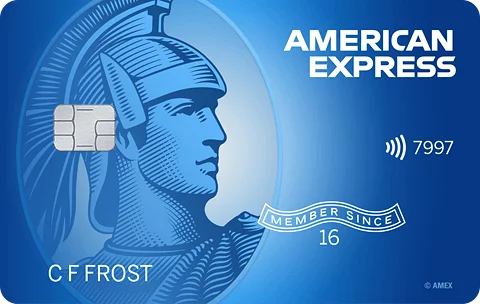
Blue Cash Everyday Card from American Express
No-annual-fee 3% at U.S. gas stations with a clear calendar cap
- Rewards
- 3% cash back at U.S. gas stations on up to $6,000 per calendar year in purchases, then 1% under current American Express terms.
- Annual fee
- $0
Pros
- No annual fee with a published gas category rate.
- Useful when you want gas earn without a station brand lock-in.
Cons
- $6,000 annual cap on the 3% gas rate.
- Rewards depend on merchant category coding.
Issuer terms are authoritative. Card links may point to issuer pages or approved partners when available.
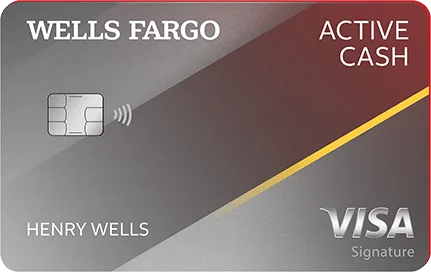
Wells Fargo Active Cash® Card
Simple unlimited cash back when gas is moderate and you want one card
- Rewards
- Unlimited 2% cash rewards on purchases under current Wells Fargo terms.
- Annual fee
- $0
Pros
- No category tracking for gas.
- Strong flat-rate fallback when a 3%–5% gas card does not clear fee math.
Cons
- Lower rate than top gas category cards on pump spend alone.
- No station-specific discounts.
Issuer terms are authoritative. Card links may point to issuer pages or approved partners when available.
Short answer: A dedicated Gas card is worth it when annual pump spend clears annual fees and category caps versus the card you already carry — often $2,000+/year before a fee card pays off. For which card to swipe today, see which credit card for gas and the July 2026 gas spoke; this guide covers the worth-it math (station brands, warehouse fuel, and 2% fallbacks).
A dedicated Gas credit card is worth it only when the extra earn on pump spend beats fees, caps, and the card you already carry. Madeen’s catalog includes 999 U.S. consumer cards with a Gas category rule in the June 2026 snapshot — most wallets already have a workable option without a new application.
Are Gas credit cards worth it?
Yes, when annual Gas spend is high enough that a 3%–5% category multiplier clears annual fees and caps versus your current card. No, when you drive little, buy mostly at warehouse clubs, or already earn 2% unlimited Cash Back — a flat-rate card often wins on simplicity.
Use issuer terms for rates and caps; use Madeen for comparing effective rates across cards you own.
When does the math favor a Gas card?
Rough break-even framework (illustrative, not personalized advice):
| Annual Gas spend | 5% Gas card vs 2% flat | Notes |
|---|---|---|
| $1,200 ($100/mo) | ~$36 extra / year | Marginal; fee cards rarely clear |
| $2,400 ($200/mo) | ~$72 extra / year | No-fee 3%–5% cards start to matter |
| $4,800 ($400/mo) | ~$144 extra / year | Fee cards can justify if caps allow |
Add annual fees, rotating-category activation, and category caps from Card Rules before you apply.
Gas station card vs general Gas category card
| Type | Best when | Tradeoff |
|---|---|---|
| Station branded | You always fuel at one chain | Weak outside that brand |
| Gas category | You use multiple stations | MCC coding surprises |
| Flat 2% | Low spend or mixed merchants | Lower peak earn at pump |
| Travel card at pump | You value points highly | Often only 1X–2X on Gas |
See which credit card for gas for current picks, the July 2026 gas spoke for month-stamped rates, best credit card optimizer app when you want a no-bank-login category pick at checkout, MaxRewards vs Kudos when you compare automation apps for pump-side category picks, best credit cards for groceries when you combine pump and supermarket spend, and foreign transaction fees if you fuel abroad.
Common reasons Gas cards are not worth it
- Warehouse club fuel (Costco, Sam’s) may not code as Gas.
- EV home charging may not qualify as Gas.
- Annual fee on a travel card you already carry for other reasons.
- Cap exhaustion — after a quarterly cap, effective rate drops to 1X.
How does Madeen help?
Instead of guessing at the pump, Madeen shows which owned card wins for Gas in your wallet using catalog reward rules — without bank login. Pair this framework with effective rate thinking from methodology.
Related encyclopedia topics
Frequently asked questions
Are gas credit cards worth it?
A gas credit card is worth it when your annual pump spend times the extra earn rate beats any annual fee and category caps — usually above roughly $2,000–$3,000 per year for a no-fee 3% card, higher for fee cards. Light drivers often do better with a flat 2% card.
Is a gas station branded card better than a category card?
Station cards can win at that brand's pumps but often earn less elsewhere. General gas category cards earn at more stations but may code warehouse clubs or EV networks differently. Compare effective rate across your actual stations.
Does Costco gas count for gas credit cards?
Often no. Many issuers code Costco and warehouse-club fuel as warehouse or other categories, not gas. Use a [Costco gas guide](/blog/which-credit-card-for-costco-gas/) instead of assuming a gas multiplier applies.
Are gas cards worth it with EV charging?
Some cards treat EV charging as gas or travel; others do not. If you charge at home or non-fuel merchants, a gas-only card may underperform a flat-rate or travel card.
Should I get a gas card or use my travel card at the pump?
Run the math. A 3%–5% gas card usually beats a 1X travel card at the pump. A premium travel card only wins if you value points above cash back and the purchase codes correctly.
Is gas a good thing to put on a credit card?
Yes when your card earns more than any station cash discount and you pay the balance in full — credit cards also offer stronger fraud protection than debit at the pump. Skip credit when a station's cash price saves more than your card's net reward rate after caps and merchant coding.
What are the disadvantages of gas credit cards?
Station-branded cards often lock you to one chain, carry high APRs if you carry a balance, and can lose to general 3%–5% category cards or warehouse fuel that does not code as gas. Annual fees and category caps can also erase headline pump rates.
Sources and notes
- Madeen analysis Madeen Card Rules Index - Madeen Accessed 2026-07-10.
- Methodology What is the best credit card for gas? - Madeen Accessed 2026-07-10.
- Regulator CFPB — Credit cards - Consumer Financial Protection Bureau Accessed 2026-07-10.