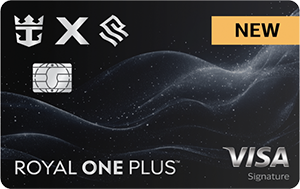
Card comparison
Which card is better between Royal ONE™ Plus Visa Signature and Asiana Visa Signature?
Royal ONE™ Plus Visa Signature is the better overall pick over Asiana Visa Signature because it leads on Madeen's weighted scorecard (56 vs 45) across categories, bonus, benefits, and fee.
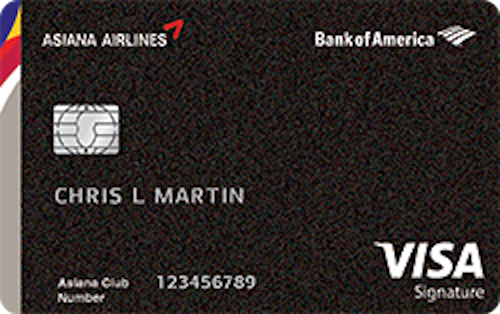
Effective rate Asiana Visa Signature
Annual fee Tie
Welcome bonus Royal ONE™ Plus Visa Signature
Benefits value Royal ONE™ Plus Visa Signature
Royal ONE™ Plus Visa Signature is the stronger overall pick between Royal ONE™ Plus Visa Signature and Asiana Visa Signature because it leads on Madeen's weighted scorecard (56 vs 45) across categories, bonus, benefits, and fee. Royal ONE™ Plus Visa Signature (2.3% top effective rate) vs Asiana Visa Signature (3.2%): Madeen's catalog compares fees vs fees across dining, grocery, gas, and travel — not just headline categories.
Choose A if
Choose Royal ONE™ Plus Visa Signature when its strongest categories, bonus, or perks match how you actually spend.
Choose B if
Choose Asiana Visa Signature when the fee, welcome bonus, or issuer ecosystem fits better than the headline winner.
Full comparison
How do Royal ONE™ Plus Visa Signature and Asiana Visa Signature compare across all spend categories?
Across all five spend categories, Royal ONE™ Plus Visa Signature and Asiana Visa Signature trade wins row by row. Royal ONE™ Plus Visa Signature peaks at 2.3% effective; Asiana Visa Signature peaks at 3.2%. Asiana Visa Signature wins the headline effective-rate view in this pair.
| Category / metric | Royal ONE™ Plus Visa Signature | Asiana Visa Signature | Winner |
|---|---|---|---|
| Dining | 1x points (1.1%) | 1x miles (1.6%) | Asiana Visa Signature · 0.5 pts |
| Grocery | 2x points (2.3%) | 2x miles (3.2%) | Asiana Visa Signature · 0.9 pts |
| Gas | 2x points (2.3%) | 2x miles (3.2%) | Asiana Visa Signature · 0.9 pts |
| Travel | 2x points (2.3%) | 1x miles (1.6%) | Royal ONE™ Plus Visa Signature · 0.7 pts |
| Other | 1x points (1.1%) | 1x miles (1.6%) | Asiana Visa Signature · 0.5 pts |
| Welcome bonus | ~$805 estimated | — | Royal ONE™ Plus Visa Signature |
| Est. annual benefits | $754/yr | $704/yr | Royal ONE™ Plus Visa Signature |
| Annual fee | $99 | $99 | Tie |
| Holistic overall | 56 pts (cat 15, bonus 20, benefits 13, fee 8) | 45 pts (cat 25, bonus 0, benefits 12, fee 8) | Royal ONE™ Plus Visa Signature |
Madeen take
How to think about this pair
Royal ONE™ Plus Visa Signature (2.3% top effective rate) vs Asiana Visa Signature (3.2%): Madeen's catalog compares fees vs fees across dining, grocery, gas, and travel — not just headline categories.
Strategy
Use Royal ONE™ Plus Visa Signature when Best for spenders who put meaningful volume in grocery and can earn 2x points. The welcome bonus can help if you can meet the spend requirement. Travel perks may add value beyond the earn rate.. Use Asiana Visa Signature when Best for spenders who put meaningful volume in grocery and can earn 2x miles.. Royal ONE™ Plus Visa Signature is weaker when Compare.
Hold both?
Many Bank of America users can hold both cards if each covers a different spend lane and the combined annual fees still clear your break-even math.
Welcome bonus playbook
If you are chasing a welcome bonus, Royal ONE™ Plus Visa Signature leads on catalog bonus value. For long-term category earn after the bonus, Asiana Visa Signature is the stronger keeper in this pair — but only if its annual fee still makes sense for your spend.
Madeen analysis
Which card has stronger benefits: Royal ONE™ Plus Visa Signature or Asiana Visa Signature?
Madeen estimates $754 annual benefit value on Royal ONE™ Plus Visa Signature versus $704 on Asiana Visa Signature. Credits only matter if you will use them.
Royal ONE™ Plus Visa Signature
Total est. value: $754/yr
Credits and perks only help if you will actually use them in a typical year.
- Sofar Sounds $240/yr
- Visa Signature Concierge $150/yr
- OpenTable $120/yr
- Priority Pass airport lounge access $99/yr
- Anniversary Reward $25/yr
Asiana Visa Signature
Total est. value: $704/yr
Credits and perks only help if you will actually use them in a typical year.
- Sofar Sounds $240/yr
- Visa Signature Concierge $150/yr
- OpenTable $120/yr
- Priority Pass airport lounge access $99/yr
- Global Entry Statement Credit $25/yr
Welcome bonus
Which welcome bonus is stronger for Royal ONE™ Plus Visa Signature or Asiana Visa Signature?
If you are chasing a welcome bonus, Royal ONE™ Plus Visa Signature leads on catalog bonus value. For long-term category earn after the bonus, Asiana Visa Signature is the stronger keeper in this pair — but only if its annual fee still makes sense for your spend. Royal ONE™ Plus Visa Signature lists 70k Royal Caribbean; Asiana Visa Signature lists.
Royal ONE™ Plus Visa Signature
70k Royal Caribbean
Asiana Visa Signature
—
Caps & conditions
Caps and earn limits
Both Royal ONE™ Plus Visa Signature and Asiana Visa Signature carry structured reward caps in the catalog. Compare the category that matters most before assuming the headline multiplier lasts all year.
Royal ONE™ Plus Visa Signature
- 2 points per dollar spent on eligible airline purchases
- 2 points per dollar spent on gas and EV charging station purchases
- 2 points per dollar spent on eligible grocery purchases
- 2 points per dollar spent on eligible hotel purchases
Asiana Visa Signature
- Earn 2 Asiana Club miles for every dollar spent at gas stations and at grocery stores
Who should pick which
Scenario playbook
Cashback-first user
Pick Asiana Visa Signature
Asiana Visa Signature is the better cashback-style pick because it has the cleaner effective-rate and fee blend for this pair.
Travel & points user
Pick Asiana Visa Signature
Asiana Visa Signature is the stronger travel-style pick because it combines better reward value with more travel-friendly positioning.
No annual fee priority
Pick Asiana Visa Signature
Asiana Visa Signature is easier to keep for no-fee users because it has the lighter annual-fee burden in this pair.
Heavy dining spend
Pick Asiana Visa Signature
For restaurant and dining-coded spend, the winner is whoever posts the stronger dining effective rate after caps and exclusions — see the category matrix for the current snapshot.
Heavy grocery spend
Pick Asiana Visa Signature
Supermarket and grocery coding can differ from superstores and delivery, so compare the grocery row before you optimize a weekly shopping basket.
Welcome bonus chaser
Pick Royal ONE™ Plus Visa Signature
If you are chasing a welcome bonus, Royal ONE™ Plus Visa Signature leads on catalog bonus value. For long-term category earn after the bonus, Asiana Visa Signature is the stronger keeper in this pair — but only if its annual fee still makes sense for your spend.
Fee-sensitive keeper
Pick Tie
When you want the card that is easiest to keep year two, annual fee often matters more than a narrow category edge.
Decision guide
Which card is better between Royal ONE™ Plus Visa Signature and Asiana Visa Signature?
Royal ONE™ Plus Visa Signature is the better overall pick because it leads on Madeen's weighted scorecard (56 vs 45) across categories, bonus, benefits, and fee. Royal ONE™ Plus Visa Signature (2.3% top effective rate) vs Asiana Visa Signature (3.2%): Madeen's catalog compares fees vs fees across dining, grocery, gas, and travel — not just headline categories.
When should you pick Royal ONE™ Plus Visa Signature over Asiana Visa Signature?
Choose Royal ONE™ Plus Visa Signature if Best for spenders who put meaningful volume in grocery and can earn 2x points. The welcome bonus can help if you can meet the spend requirement. Travel perks may add value beyond the earn rate.. Best for grocery-heavy spend when the $99 fee fits your usage; confirm issuer terms before applying.
Strengths
- Strongest Madeen category is grocery at about 2.3% effective (2x points).
- That grocery rate ranks higher than about 96% of cards we track in the category.
- No foreign transaction fee listed.
Tradeoffs
- $99 annual fee requires enough spend in bonus categories to offset.
- Multiple caps, activations, or exclusions may limit headline earn rates.
When should you pick Asiana Visa Signature over Royal ONE™ Plus Visa Signature?
Choose Asiana Visa Signature if Best for spenders who put meaningful volume in grocery and can earn 2x miles.. Best for grocery-heavy spend when the $99 fee fits your usage; confirm issuer terms before applying.
Strengths
- Strongest Madeen category is grocery at about 3.2% effective (2x miles).
- That grocery rate ranks higher than about 99% of cards we track in the category.
- No foreign transaction fee listed.
Tradeoffs
- $99 annual fee requires enough spend in bonus categories to offset.
- Asiana Club miles value depends on how you redeem, not straight cash back.
Common questions about Royal ONE™ Plus Visa Signature vs Asiana Visa Signature
Which card is better between Royal ONE™ Plus Visa Signature and Asiana Visa Signature?
Royal ONE™ Plus Visa Signature is the stronger overall fit because it leads on Madeen's weighted scorecard (56 vs 45) across categories, bonus, benefits, and fee. The overall winner depends on your spend mix — use the scorecard rows and scenario playbook to see where each card actually wins.
Which card wins on dining: Royal ONE™ Plus Visa Signature or Asiana Visa Signature?
Asiana Visa Signature leads dining at 1.6% effective versus 1.1%.
Which card is better for cashback users: Royal ONE™ Plus Visa Signature or Asiana Visa Signature?
Asiana Visa Signature is the better cashback-style pick between Royal ONE™ Plus Visa Signature and Asiana Visa Signature.
Which welcome bonus is stronger between Royal ONE™ Plus Visa Signature and Asiana Visa Signature?
If you are chasing a welcome bonus, Royal ONE™ Plus Visa Signature leads on catalog bonus value. For long-term category earn after the bonus, Asiana Visa Signature is the stronger keeper in this pair — but only if its annual fee still makes sense for your spend.
Which card has stronger benefits: Royal ONE™ Plus Visa Signature or Asiana Visa Signature?
Royal ONE™ Plus Visa Signature leads on estimated annual benefit value in the Madeen snapshot.
Which card has the lower annual fee: Royal ONE™ Plus Visa Signature or Asiana Visa Signature?
Tie has the simpler fee story in this pair ($99 vs $99). Annual fee only wins if you use the rewards and credits that justify it.
Is Royal ONE™ Plus Visa Signature or Asiana Visa Signature better for travel spend?
Asiana Visa Signature is the stronger travel-style pick between Royal ONE™ Plus Visa Signature and Asiana Visa Signature in this snapshot.
Can you hold both Bank of America cards?
Yes, many people can hold both Bank of America cards when each covers a different spend lane and the combined fees still make sense.
Compare
Related comparisons
Related topics
Explore the related pages
Reviewed by Madeen editorial review
Catalog snapshot 2026-05-01
Updated 2026-07-24
Content tier Standard
Bank of America and Bank of America (and related product names) are trademarks of their respective owners. Madeen is not affiliated with, sponsored by, or endorsed by either issuer. Madeen is an independent credit-card comparison and education service.
Madeen compares cards you add to your wallet using published catalog rules — no bank login required. Issuer pages control current fees, caps, exclusions, and eligibility; Madeen does not issue cards, make approval decisions, or provide financial advice. Apply links are temporarily hidden on madeen.app. Affiliate disclosure