What Credit Card Should You Use for Surgery Bills in June 2026?
Best cards for surgery bills in June 2026: hospital fees, CareCredit vs 2% fallbacks, HSA/FSA rules, provider surcharges, and when flat-rate cash back beats medical-category cards.
Madeen compares public issuer terms with its card-rule catalog. Issuer pages control rewards, fees, benefits, exclusions, and eligibility; Madeen does not issue cards, make approval decisions, or provide financial advice.
What are the best credit cards for surgery bills right now?
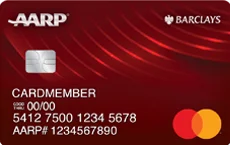
AARP Essential Rewards Mastercard
Best when surgery bills code as eligible medical expenses without a card surcharge
- Rewards
- Barclays lists unlimited 2% cash back on eligible medical expenses including doctors and hospitals, plus 3% on gas and drugstores under current terms.
- Annual fee
- $0
Pros
- Explicit medical-expense reward language in issuer materials.
- No annual fee under current Barclays terms.
- Useful for hospital and surgical center charges that qualify.
Cons
- Provider card-processing fees can erase 2% rewards.
- Eligibility depends on merchant coding and Barclays category rules.
- AARP-branded eligibility and partner terms apply.
Issuer terms are authoritative. Card links may point to issuer pages or approved partners when available.
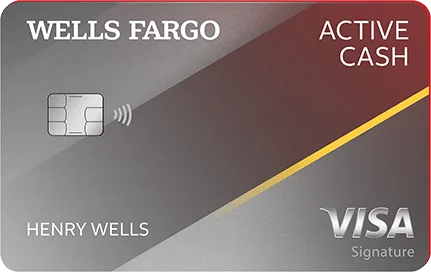
Wells Fargo Active Cash Card
Best simple 2% fallback when the hospital does not fit a medical category
- Rewards
- Unlimited 2% cash rewards on purchases with no categories to track under current Wells Fargo terms.
- Annual fee
- $0
Pros
- Predictable 2% when the provider accepts cards without a punitive fee.
- No quarterly activation or category selection.
- Works for non-medical follow-up spend after surgery.
Cons
- No medical-specific bonus language.
- Hospital convenience fees above 2% make card payment worse than ACH.
- Foreign transaction fee applies under current Wells Fargo terms.
Issuer terms are authoritative. Card links may point to issuer pages or approved partners when available.

- Rewards
- Up to 2% cash back on purchases — 1% when you buy and 1% as you pay — under current Citi terms.
- Annual fee
- $0
Pros
- Strong flat-rate benchmark for large one-time hospital charges.
- No annual fee under current Citi materials.
- Pairs with other Citi cards for category gaps.
Cons
- Must pay at least the minimum due to earn the second 1%.
- Does not beat HSA dollars on eligible expenses.
- Provider surcharges still matter more than the headline rate.
Issuer terms are authoritative. Card links may point to issuer pages or approved partners when available.
Short answer: For surgery bills, ask about card convenience fees first. If the hospital charges no fee above your reward rate, use a medical-category 2% card or a flat 2% cash-back card and pay the statement balance in full. If fees are high or the balance is large, HSA/FSA dollars or promotional financing with a payoff plan may beat rewards.
What is the best credit card for surgery bills?
Surgery — inpatient procedures, outpatient centers, and anesthesia bills — can arrive as one large charge or several invoices. The best card is the payment method that nets positive value after fees, interest, and taxes — not the highest advertised multiplier.
Madeen’s catalog includes hundreds of healthcare-adjacent reward rules; hospital merchant category codes vary, so verify with the billing office before assuming a medical bonus applies.
How should you compare surgery payment options?
| Option | Typical value | Best when |
|---|---|---|
| Medical-category 2% card | ~2% if eligible | Hospital codes as medical and charges no surcharge |
| Flat 2% Cash Back | ~2% on accepted charges | Simple fallback; you pay in full |
| HSA / FSA card | Tax-advantaged dollars | Procedure qualifies under plan rules |
| CareCredit / hospital plan | Promotional APR or deferred interest | Large balance with a realistic payoff date |
| ACH / check / debit | No rewards | Card fee exceeds earn rate |
Call the billing department and ask: “Is there a credit card convenience fee, and what percentage?”
When does a medical-category card win?
Cards such as the AARP Essential Rewards Mastercard advertise 2% on eligible medical expenses in Barclays materials. Surgery at a hospital or surgical center may qualify when:
- The charge processes as an eligible medical expense.
- The provider does not add a fee above ~2%.
- You pay the statement balance so APR does not apply.
For dental or vision follow-ups, compare which credit card for dental and the broader medical bills guide.
When is flat 2% Cash Back enough?
Wells Fargo Active Cash and Citi Double Cash are reliable when hospital coding is uncertain. Flat 2% wins when:
- The provider accepts your network without a punitive surcharge.
- You will not carry the balance at double-digit APR.
- You already hold the card and do not need a new hard inquiry before Other loans.
Prescription pickups after surgery may code differently — see which credit card for drugstores for pharmacy counters.
When is financing better than rewards?
Multi-thousand-dollar surgery with a long recovery timeline may push you toward CareCredit or a hospital payment plan. Promotional 0% periods help only when you pay off before deferred interest or promo deadlines.
Rewards cards and financing cards solve different problems: use rewards when you pay in full; use financing only with a written monthly payoff target.
How can Madeen help before you pay a surgery bill?
If your wallet mixes medical-category cards, flat 2% backups, and everyday spend cards, Madeen shows which owned card wins for medical or uncategorized hospital charges — without bank login. Check the category pick before a large copay or remaining balance so surgery does not default to a 1X card.
Related encyclopedia topics
Frequently asked questions
What is the best credit card for surgery bills?
Use a medical-category 2% card when the hospital codes the charge as eligible medical and charges no card fee above your earn rate. Otherwise use flat 2% cash back, HSA or FSA dollars, or a promotional financing plan only if you have a clear payoff schedule.
Do hospitals charge a fee to pay with a credit card?
Many hospitals and surgical centers add a card convenience fee of roughly 2–4%. If the fee exceeds your rewards rate, paying by ACH, debit, or check can be cheaper even without points or cash back.
Is CareCredit better than a rewards card for surgery?
CareCredit can offer deferred-interest or promotional APR plans for large surgical balances. Rewards cards win when you pay in full and avoid interest. Deferred-interest plans become expensive if the balance survives the promo window.
Can I use an HSA or FSA card for surgery?
Many surgical procedures qualify as eligible medical expenses under IRS rules when billed appropriately. Tax-advantaged HSA or FSA dollars often beat 2% cash back — confirm with your plan administrator before charging.
Should I use the same card for surgery and other medical bills?
Often yes for flat-rate cards. Medical-specific cards can help when coding is reliable across hospital, specialist, and pharmacy charges. See the medical bills hub for broader provider types.
Sources and notes
- Madeen analysis Madeen card catalog medical reward analysis - Madeen Accessed 2026-06-22.
- Issuer terms AARP Essential Rewards Mastercard from Barclays - Barclays Accessed 2026-06-22.
- Issuer terms Wells Fargo Active Cash Credit Card - Wells Fargo Accessed 2026-06-22.
- Issuer terms How Does the CareCredit Credit Card Work? - CareCredit Accessed 2026-06-22.
- Methodology Which credit card is best for medical bills? - Madeen Accessed 2026-06-22.