Which Credit Card Should You Use for Gym Memberships in May 2026?
Choose a gym membership credit card by comparing fitness-club categories, quarterly enrollment, merchant coding, recurring dues, and flat-rate fallback rewards.
Madeen compares public issuer terms with its card-rule catalog. Issuer pages control rewards, fees, benefits, exclusions, and eligibility; Madeen does not issue cards, make approval decisions, or provide financial advice.
What are the best credit cards for gym memberships right now?
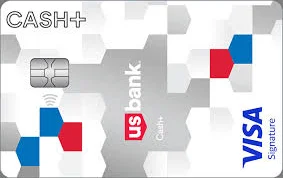
U.S. Bank Cash+ Visa Signature Card
Best for 5% cash back when Gyms/Fitness Centers is selected and the quarterly cap fits
- Rewards
- 5% cash back on the first $2,000 in combined eligible purchases each quarter on two chosen 5% categories, including Gyms/Fitness Centers, after quarterly enrollment.
- Annual fee
- $0
Pros
- Official Cash+ category list includes Gyms/Fitness Centers as a 5% category option.
- No annual fee and a high rate for recurring fitness dues when the category is selected.
- Can pair a gym category with another recurring bill category such as TV, internet and streaming, cell phone providers, or home utilities.
Cons
- Requires choosing and activating categories each quarter.
- The 5% rate is capped at the first $2,000 in combined quarterly purchases across the two 5% categories.
- Merchant category coding decides whether a boutique studio, trainer, or class package qualifies.
Issuer terms are authoritative. Card links may point to issuer pages or approved partners when available.
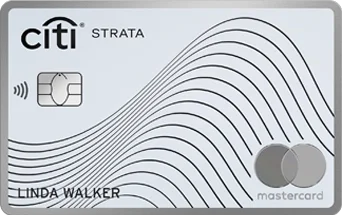
Citi Strata Card
Best no-annual-fee points card if you want Fitness Clubs as a self-select category
- Rewards
- 3 points per dollar on one eligible Self-Select Category, with Fitness Clubs listed among the official category options, plus elevated points on supermarkets, gas and EV charging, and select transit.
- Annual fee
- $0
Pros
- Official Citi self-select category materials list Fitness Clubs as an eligible 3X option.
- No annual fee and no quarterly cash-back cap stated in Citi's category guide.
- Useful if Citi ThankYou points already fit your rewards setup.
Cons
- The self-select category must match your spending; the default category may be different when the account opens.
- ThankYou point value depends on redemption method.
- Fitness apps, sports equipment, or wellness purchases may not code as Fitness Clubs.
Issuer terms are authoritative. Card links may point to issuer pages or approved partners when available.
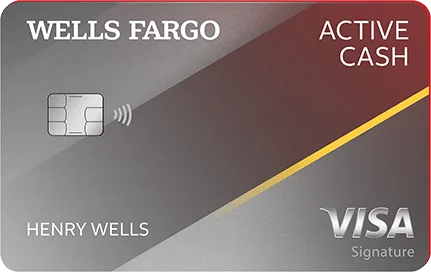
Wells Fargo Active Cash Card
Best flat-rate fallback when your gym does not qualify for a fitness category
- Rewards
- Unlimited 2% cash rewards on purchases under current Wells Fargo terms, with no categories to track or quarterly activations.
- Annual fee
- $0
Pros
- Simple unlimited 2% cash rewards on eligible purchases.
- No gym definition, category enrollment, or quarterly cap to manage.
- Works as a fallback for fitness purchases that code unpredictably.
Cons
- Lower ceiling than a qualifying 5% fitness category or 3X self-select category.
- Does not add fitness-specific perks or class discounts.
- Foreign transaction fee applies under current Wells Fargo terms, though most U.S. gym dues are domestic.
Issuer terms are authoritative. Card links may point to issuer pages or approved partners when available.
Gym memberships are easy to put on autopay and forget. That is convenient, but it also means a recurring bill can sit on a 1% card for months even when a better fitness or flat-rate card is already in your wallet.
The short version: use a gym or fitness-category card when the merchant qualifies, the category is selected, and the cap has room. Use a flat-rate card when the membership, studio, trainer, app, or wellness purchase codes unpredictably.
Which credit card should you use for gym memberships?
Use the card with the highest reliable return for the exact fitness charge. A national gym, boutique studio, yoga membership, trainer invoice, fitness app, sporting goods purchase, and wellness clinic can all code differently.
Madeen’s current in-app fallback catalog shows how narrow this category is. Across 3,944 cards, only 1 active personal card record has explicit fitness-club reward-rule language in the runtime rewards fields. By contrast, 1,035 cards earn at least 1.5x or 1.5% on base purchases, and 328 cards earn at least 2x or 2% on base purchases.
That imbalance is the main decision rule. Check for a true gym or fitness category first. If your wallet does not have one, or the charge is not clearly a qualifying gym purchase, a strong everyday card is often the cleaner autopay choice.
What are the best credit cards for gym memberships right now?
The best gym membership card depends on whether you want the highest cash-back rate, a no-fee points option, or a simple fallback:
U.S. Bank Cash+ Visa Signature Card: best for selected 5% gym Cash Back
The U.S. Bank Cash+ card is the strongest gym option when you can manage category selection. U.S. Bank’s current Cash+ materials list Gyms/Fitness Centers as one of the 5% categories, and the program rules say cardmembers must enroll each quarter to earn 5% Cash Back on the first $2,000 in combined purchases across the two chosen 5% categories.
That can be a strong fit for a monthly gym bill, family health club dues, or recurring studio membership. It is less automatic than a flat-rate card, though. If you forget to enroll, choose different categories, or exceed the combined quarterly cap, the extra value can disappear.
Citi Strata Card: best for a no-fee fitness-club points category
The Citi Strata Card can work if you want Fitness Clubs as a self-select category and Citi ThankYou points fit your rewards setup. Citi’s official self-select category guide lists Fitness Clubs among the eligible 3X category options, alongside Pet Supply Stores, Select Streaming Services, Live Entertainment, and Cosmetic Stores/Barber Shops/Hair Salons.
This is not the same as universal “fitness spending.” A gym or health club can qualify while a fitness app, sports equipment store, nutrition shop, or medical wellness provider may not. It is best for people who want one no-annual-fee points card that can cover gym dues plus other Citi categories such as supermarkets, gas and EV charging, and select transit.
Wells Fargo Active Cash Card: best flat-rate fallback
The Wells Fargo Active Cash Card is the fallback when a fitness category is unavailable or too much work. Wells Fargo’s current materials describe unlimited 2% cash rewards on purchases, and the card has no annual fee under its current terms.
That simplicity matters for autopay. If the gym’s merchant code is uncertain, the card bill is small, or you do not want quarterly category maintenance, a reliable 2% card can beat a theoretical 5% card that is not selected or does not trigger.
Is a 5% gym category better than a 2% flat-rate card?
A 5% gym category is better only when it actually applies. On $100 per month in qualifying gym dues, a 5% card earns about $60 per year before any caps or redemption differences, while a 2% card earns about $24. The extra value is meaningful, but not huge enough to ignore enrollment and coding risk.
The tradeoff gets clearer as spending rises. A family health club at $250 per month is $750 per quarter. That can fit comfortably under a $2,000 quarterly Cash+ cap if your other selected 5% category is not using the same cap. But if you also use the card for another high-spend selected category, you need to watch the combined quarterly total.
For low monthly dues, the simpler card may be reasonable. A $30 monthly gym membership produces about $18 per year at 5% versus about $7.20 at 2%. If you already manage categories, take the higher rate. If not, the simplicity gap is small.
Do fitness studios, trainers, and apps count as gym rewards?
Sometimes, but do not assume they do. Issuers rely on merchant category codes, and different fitness purchases can be processed under different categories. A national gym chain may code as a fitness center, while a boutique Pilates studio, personal trainer, wellness clinic, app-store subscription, or city recreation program may code differently.
Use the issuer’s category language as the starting point. U.S. Bank uses Gyms/Fitness Centers in its Cash+ category list. Citi uses Fitness Clubs in its self-select category guide. Neither phrase should be stretched to cover every health, wellness, athletic, or subscription purchase.
If a purchase fails to trigger the expected bonus, move that merchant to your flat-rate card and reserve the fitness-category card for charges that consistently qualify.
Should gym dues, fitness apps, and sporting goods use the same card?
Usually no. Gym dues are a recurring merchant-category decision. Fitness apps are often subscription or app-store purchases. Sporting goods are retail purchases. Personal training can be billed as a fitness club, professional service, health service, or something else depending on the provider.
Use this quick split:
| Purchase type | Usually compare first | Why |
|---|---|---|
| Monthly gym or health club dues | Fitness-category card | Most likely to match a gym or fitness club category |
| Boutique classes or personal training | Fitness-category card versus flat-rate card | Merchant coding is less predictable |
| Fitness apps or digital subscriptions | Streaming, online, or flat-rate card | App-store billing may not be a gym category |
| Sporting goods or equipment | Sporting goods or flat-rate card | Retail category can differ from gym membership dues |
| Wellness clinics or medical-adjacent services | Flat-rate card | Health or medical coding may not match fitness-club terms |
This is why the gym-membership decision is different from the streaming guide. Streaming is usually a digital subscription definition problem; gym spending is a merchant-code and category-selection problem.
How can Madeen help choose a gym membership card?
Madeen helps because the right answer depends on the cards you already carry. You select your cards on your iPhone, choose the relevant purchase category, and Madeen compares local reward rules without bank login, card numbers, or transaction history.
The catalog data is especially useful for fitness because explicit gym rewards are rare. If your wallet includes a fitness-category card, Madeen can help surface it. If not, the app can point you back to a reliable everyday card instead of pretending every wellness or fitness charge earns a special bonus.
For privacy details, read the Madeen Privacy Policy or the product note on why Madeen does not ask for your bank login. For summer travel that mixes theme parks and tickets, compare summer travel cards and the sports tickets hub.
What should you do next?
Check your gym charge after it posts. If a fitness-category card earns the expected bonus, keep gym dues there and set a reminder for any required quarterly enrollment. If it does not, move that merchant to your best flat-rate card.
For new memberships, start with the card most likely to qualify, then verify the first statement. For apps, equipment, trainers, and wellness purchases, compare separately instead of assuming one “fitness” choice covers everything.
Related encyclopedia topics
Frequently asked questions
Which credit card should I use for gym memberships?
Use a fitness-category card when your gym or studio qualifies and the cap has room. If your membership, trainer, app, or class package codes unpredictably, use your best flat-rate card instead.
Do fitness studios and health clubs count for credit card rewards?
Sometimes. Issuer category lists may include gyms or fitness clubs, but merchant category coding controls the final reward. Boutique studios, personal trainers, wellness clinics, and app-store fitness subscriptions can code differently.
Is 5% cash back on gyms better than a 2% flat-rate card?
A 5% gym category is better when the purchase qualifies, the quarterly cap has room, and you remember to enroll. A 2% flat-rate card can be better when the merchant does not qualify, the cap is used, or you want a no-maintenance autopay setup.
Should I use the same card for gym dues, fitness apps, and sporting goods?
Not automatically. Gym dues, fitness apps, personal training, sporting goods, and wellness purchases can fall into different merchant categories, so compare each purchase type rather than assuming one fitness card covers all of them.
Can Madeen choose a gym membership card without bank login?
Madeen can compare local reward rules for cards you select without bank login or card numbers, but issuer terms and merchant category coding still decide whether a specific fitness purchase qualifies.
Sources and notes
- Madeen analysis Madeen card catalog fitness-club and base-reward analysis - Madeen Accessed 2026-06-02.
- Issuer terms U.S. Bank Cash+ Visa Signature Card - U.S. Bank Accessed 2026-06-02.
- Issuer terms U.S. Bank Cash+ Categories - U.S. Bank Accessed 2026-06-02.
- Issuer terms U.S. Bank Cash+ Program Rules - U.S. Bank Accessed 2026-06-02.
- Issuer terms Citi Strata Card - Citi Accessed 2026-06-02.
- Issuer terms Citi Strata Card eligible Self-Select Category guide - Citi Accessed 2026-06-02.
- Issuer terms Wells Fargo Active Cash Card - Wells Fargo Accessed 2026-06-02.
- Issuer terms Wells Fargo Active Cash Card terms and conditions - Wells Fargo Accessed 2026-06-02.